• MAIN PAGE
  • LATEST NEWS
    • Lost Cities
    • Archaeology's Greatest Finds
    • Underwater Discoveries
    • Greatest Inventions
    • Studies
    • Blog
  • PHILOSOPHY
  • HISTORY
  • RELIGIONS
    • Africa
    • Anatolia
    • Arabian Peninsula
    • Balkan Region
    • China - East Asia
    • Europe
    • Eurasian Steppe
    • Levant
    • Mesopotamia
    • Oceania - SE Asia
    • Pre-Columbian Civilizations of America
    • Iranian Plateau - Central Asia
    • Indus Valley - South Asia
    • Japan
    • The Archaeologist Editor Group
    • Scientific Studies
    • Aegean Prehistory
    • Historical Period
    • Byzantine Middle Ages
    • Predynastic Period
    • Dynastic Period
    • Greco-Roman Egypt
  • Rome
  • PALEONTOLOGY
  • About us
Menu

The Archaeologist

  • MAIN PAGE
  • LATEST NEWS
  • DISCOVERIES
    • Lost Cities
    • Archaeology's Greatest Finds
    • Underwater Discoveries
    • Greatest Inventions
    • Studies
    • Blog
  • PHILOSOPHY
  • HISTORY
  • RELIGIONS
  • World Civilizations
    • Africa
    • Anatolia
    • Arabian Peninsula
    • Balkan Region
    • China - East Asia
    • Europe
    • Eurasian Steppe
    • Levant
    • Mesopotamia
    • Oceania - SE Asia
    • Pre-Columbian Civilizations of America
    • Iranian Plateau - Central Asia
    • Indus Valley - South Asia
    • Japan
    • The Archaeologist Editor Group
    • Scientific Studies
  • GREECE
    • Aegean Prehistory
    • Historical Period
    • Byzantine Middle Ages
  • Egypt
    • Predynastic Period
    • Dynastic Period
    • Greco-Roman Egypt
  • Rome
  • PALEONTOLOGY
  • About us
No results found

Statues are wrapped in fireproof material in hopes that they could withstand the heat from Russian bombs.

Claire Harbage/NPR

Preserving the Cultural Heritage: Ukraine's Battle to Protect Its Archaeological Treasures Amidst Conflict

December 26, 2023

In the midst of conflict and turmoil, humanity often faces difficult choices: the preservation of the past or the exigencies of the present. Ukraine, a country rich in ancient archaeology and history, finds itself at the crossroads of this dilemma. This article explores the valiant efforts of Ukrainians to safeguard their archaeological treasures amidst the ongoing war with Russia.

The Discovery of a Lifetime

Imagine a scene where a group of soldiers, including Oleksandr Koslov of the Ukrainian armed forces, find themselves in the heat of battle, yet fate leads them to an astonishing discovery. While digging trenches near the Siverskyi Donets river in eastern Ukraine, Koslov's team stumbled upon fragments of ceramics, flint tools, animal bones, and even a finely crafted arrowhead. What they initially dismissed as modern debris turned out to be an archaeological treasure trove dating back thousands of years, encompassing the stone age, the Eneolithic period, and the middle Bronze Age's catacomb culture.

A statue is wrapped and protected by scaffolding in Lviv's old quarter, which is a UNESCO World Heritage Site.

Ryan Kellman/NPR

Ukraine's Rich Archaeological Heritage

Ukraine boasts a spectacular wealth of archaeological wonders, each bearing testimony to the vibrant tapestry of cultures that once thrived on its soil. From the enigmatic Scythians and their finely worked gold artifacts to the elaborate ceramics of the Cucuteni-Trypillia culture and the trading emporiums established by the Greeks along the Black Sea coast, Ukraine's archaeological heritage is a testament to its pivotal role in ancient history.

The Ravages of Conflict

However, Ukraine's archaeological treasures are now under threat as never before. The full extent of the damage is challenging to assess due to the perilous conditions in conflict zones. Museum collections from occupied cities have been looted, and cultural heritage, including churches and monuments, has been targeted for destruction at an alarming rate. Even trench-digging, essential for military purposes, is inadvertently erasing invaluable traces of the past.

Statues wrapped in protective materials stand in Lviv's old quarter in western Ukraine. Officials are taking precautions to protect statues from being destroyed in Russian attacks.

Claire Harbage/NPR

The Efforts to Preserve

Amidst the destruction, there are stories of hope and resilience. Dr. Serhii Telizhenko, an expert on Ukraine's archaeological landscape, has been using open-source satellite imagery to document the damage to ancient burial mounds, known as "kurgans." These mounds, associated with the lost language of Proto-Indo-European, have not only local but global significance. Telizhenko's work serves as a poignant reminder of what is at stake.

The Role of Best Practices

Telizhenko has authored a military handbook titled "Archaeology and Monuments in War," distributed among the Ukrainian Armed Forces. It emphasizes adherence to the Hague Convention, dedicated to the protection of cultural property during conflicts. Soldiers are instructed on how to photograph and document archaeological sites, enabling the salvage of artifacts if destruction is inevitable.

Scaffolding is set up so workers can cover a wooden altar at Lviv's centuries-old Armenian Cathedral.

Claire Harbage/NPR

Cultural Heritage Theft

Despite these efforts, the theft of cultural heritage remains a grave concern. Opportunists on both sides, military and civilian, engage in illegal excavation, often referred to as "black archaeology." However, Telizhenko rejects such terminology, emphasizing that these individuals are, in essence, looters.

In closing, Ukraine's struggle to safeguard its archaeological treasures in the face of conflict is a poignant reminder of the importance of preserving our shared human history. It calls for global solidarity and support in the protection of cultural heritage, for these artifacts are not just remnants of the past but beacons of our common humanity.

Volunteers from Enfield Archaeological Society at a previous dig on the site of Elsyng Palace

Unveiling the Mysteries of Elsyng Palace: A Historic Journey by BBC

December 26, 2023

Enfield Archaeological Society’s summer dig at Elsyng Palace will feature on BBC2’s Digging for Britain documentary next month.

In the heart of Enfield's Forty Hall Estate, nestled amidst the lush greenery, lies a treasure trove of history waiting to be unearthed. Elsyng Palace, a former royal residence that witnessed the footsteps of Tudor monarchs, has been shrouded in mystery for centuries. However, thanks to the dedicated efforts of the Enfield Archaeological Society (EAS), this hidden gem is gradually revealing its secrets to the world.

Elsyng Palace's story begins in the 15th century, when it graced the English countryside with its architectural splendor. Its fate became intimately intertwined with the tumultuous reigns of the Tudor monarchs. Acquired by none other than Henry VIII himself, this palace became a significant residence for his children, Edward VI and Elizabeth I. Edward, in particular, received the life-altering news of his ascension to the throne within Elsyng's hallowed halls.

Yet, as the centuries passed, Elsyng's fate took a different turn. In 1657, the palace met its demise, crumbling into the annals of history. It wasn't until the 1960s that the Enfield Archaeological Society stumbled upon its remains, hidden beneath layers of time and soil.

The EAS, with an unwavering commitment to preserving our historical heritage, embarked on a journey of discovery that has spanned two decades. Elsyng Palace, now a scheduled ancient monument since 1967, became the subject of meticulous excavations, each requiring government permission.

One of the most exciting finds during the society's regular summer dig in July was the excavation of the inner gatehouse—a four-story architectural marvel that controlled access between the service court and the inner court, where the royal apartments once stood. This remarkable discovery, coupled with previous excavations, has enabled the EAS to piece together a comprehensive plan and even create a stunning 3D reconstruction of the palace.

The fruits of the EAS's labor will soon be shared with the world in an upcoming episode of BBC2's "Digging for Britain" documentary, set to premiere on January 2nd, 2023, at 8 p.m. Viewers will have the privilege of witnessing the story of Elsyng Palace and the summer excavation unfold before their eyes.

In addition to the documentary, the EAS has recently published two invaluable books about Elsyng Palace: "Elsyng: Enfield's Lost Palace Revealed" by John Pinchbeck and "Monarchs, Courtiers, and Technocrats: Elsyng Palace, Enfield—Place and People" by Dr. Martin Dearne. These books offer deeper insights into the palace's history, its inhabitants, and its significance in the broader context of English heritage.

Elsyng Palace, once lost to the ravages of time, is now being resurrected from the pages of history, thanks to the tireless efforts of the Enfield Archaeological Society. As we prepare to embark on this captivating journey through time via the "Digging for Britain" documentary, we are reminded of the enduring importance of preserving our past for generations to come. Elsyng Palace is more than just bricks and mortar; it is a testament to the rich tapestry of English history, waiting to be unraveled.

(photo credit: ISRAEL ANTIQUITIES AUTHORITY.)

IDF Reservists Unearth Byzantine-era oil candle

December 26, 2023

Two IDF Reservists Unearth a Glimpse into Byzantine Life

In a remarkable twist of fate, two IDF reserve soldiers, Natanel Melchior and Alon Segev, stumbled upon a relic that transports us back to the Byzantine era. While on duty in an Israel Defense Forces staging area, these members of the 404th battalion of the 282nd artillery brigade made a discovery that highlights the enduring legacy of ancient civilizations.

The find, a 1,500-year-old pottery piece believed to be a "sandal candle," offers a rare glimpse into the daily life of the Byzantine period. This artifact, used for lighting by placing a wick inside, is not just an object; it's a testament to the ingenuity and everyday practices of a civilization that thrived centuries ago.

The discovery was accidental yet fortuitous. The soldiers, engaged in routine activities, were drawn to an oddly shaped piece of pottery protruding from the ground. Covered in mud and seemingly inconspicuous, it would have remained buried and forgotten had it not been for their curiosity. Netanel's decision to clean the artifact and contact the Israel Antiquities Authority (IAA) was a commendable act of cultural preservation.

(photo credit: ISRAEL ANTIQUITIES AUTHORITY.)

The buzz created on social media by Alon's post is a modern reflection of the timeless human fascination with our past. The artifact sparked a dialogue, engaging the community in a shared journey of discovery and learning. This interaction underscores the role of social media in democratizing access to historical knowledge and fostering collective curiosity.

The IAA's response was prompt and appreciative. Sara Tal, an IAA archaeologist, identified the object as a "sandal candle," a common lighting device in the Byzantine era. Her expertise provides context for this artifact, situating it within the broader narrative of the region's history. The awarding of a certificate for "good citizenship" to the soldiers is a fitting recognition of their role in safeguarding our collective heritage.

Eli Escuzido, the director of the IAA, aptly noted the unique circumstances that bring war and archaeology together. In a region as historically rich as Israel and its surroundings, it's not uncommon for military activities to intersect with archaeological discoveries. Escuzido's reminder about the importance of preserving ancient artifacts and involving experts is a crucial message for the public. It underscores the delicate balance between discovery and preservation, ensuring that such finds continue to enlighten us about our past.

(photo credit: ISRAEL ANTIQUITIES AUTHORITY.)

This incident is a vivid reminder of the layers of history that lie beneath our feet. It also highlights the importance of awareness and respect for our shared heritage. The accidental discovery by Melchior and Segev is more than just a fortunate find; it's a call to recognize and preserve the tangible links to our past. As we continue to unearth the secrets of ancient civilizations, we are reminded of the unbroken thread that connects us to the people who walked this earth long before us, illuminating our understanding of history and humanity.

State Archaeology Department on Wednesday began a study of the rare copper plates with Thevaram hymns inscribed on them, which were unearthed at the Sattainathar Temple in Sirkazhi in April this year.

Indian Archaeologists Examine Thevaram copper plates found in Sirkazhi temple

December 26, 2023

In a remarkable archaeological discovery, the State Archaeology Department has embarked on a journey to unravel the mysteries hidden within ancient copper plates. These copper plates bear inscriptions of Thevaram hymns and were unearthed at the Sattainathar Temple in Sirkazhi in April of this year. This extraordinary find promises to shed light on the rich cultural and religious history of the region.

A team of seven experts from the State Archaeology Department, led by the esteemed R. Sivanantham, Joint Director of the department, has taken on the responsibility of studying and preserving these rare artifacts. These plates, considered to be invaluable, have been kept safely within the temple premises.

The story of this discovery is nothing short of fascinating. On April 16, 2023, during the renovation of the Sattainathar Temple, a total of 493 copper plates were unearthed, accompanied by several panchaloka idols. Among these, approximately 410 plates were found to be in relatively good condition, while about 80 were damaged. Due to the passage of time and exposure to the elements, many of the inscriptions on these plates had become unclear, obscured by layers of moss.

State Archaeology Department on Wednesday began a study of the rare copper plates with Thevaram hymns inscribed on them, which were unearthed at the Sattainathar Temple in Sirkazhi in April this year.

The initial phase of the project involves the painstaking process of cleaning these copper plates. Using established cleaning procedures, the team expects this phase to take around 10 to 15 days. Once the plates are cleaned, the true journey of discovery will begin as experts study the inscriptions meticulously. This endeavor aims to determine the dating of the copper plates and trace their origins.

What makes this discovery particularly significant is that it's the first time that copper plates inscribed with Thevaram hymns have been found. While palm leaf manuscripts containing the hymns of the three Saivite saints—Thirugnanasambandar, Thirunavukkarasar, and Sundarar—have been discovered before, this discovery provides concrete evidence of the practice of inscribing Thevaram hymns on copper plates. Furthermore, it's worth noting that Sirkazhi is the birthplace of Thirugnanasambandar, adding an extra layer of historical relevance to this find.

State Archaeology Department on Wednesday began a study of the rare copper plates with Thevaram hymns inscribed on them, which were unearthed at the Sattainathar Temple in Sirkazhi in April this year.

As the team works diligently to document these inscriptions, the broader archaeological community eagerly awaits the insights that will undoubtedly be gained from this treasure trove of history. This discovery not only adds a new chapter to our understanding of Thevaram hymns but also offers a glimpse into the religious practices and cultural heritage of the region.

In conclusion, the unearthing of these copper plates at the Sattainathar Temple in Sirkazhi marks a significant milestone in the field of archaeology and our understanding of ancient religious practices. As the State Archaeology Department continues its meticulous work, we can anticipate a deeper appreciation of the rich cultural tapestry of this region and the profound significance of Thevaram hymns in its history.

Debating the Vergina Tomb: A Greek Scholarly Rivalry between Ahrweiler's Assertion of Alexander's Resting Place vs. Kottaridi's Evidence for Philip II

December 25, 2023

BY DIMOSTHENIS VASILOUDIS


Clash of Theories: Archaeologist Angeliki Kottaridi responds to Byzantine scholar Ahrweiler on why the tomb belonged to Philip II and not Alexander the Great

In the realm of history and archaeology, debates often arise when it comes to interpreting ancient relics and remains. One such intriguing debate revolves around the tomb discovered in Vergina, Greece, and whether it belongs to the legendary Alexander the Great or his father, Philip II. Helene Glykatzi-Ahrweiler firmly asserted that Alexander the Great lies within, but Angeliki Kottaridi, the head of the Ephorate of Antiquities of Imathia, presents a compelling counterargument. With the help of scholarly insights, we explore the complexities of this academic dispute in this article.

reasons why Helene Glykatzi-Ahrweiler believes Alexander the Great is buried in Vergina

While most scholars believe that he was laid to rest in Alexandria, there is a bold and heretical claim by Byzantine scholar Helene Glykatzi-Ahrweiler. She firmly contends that the tomb at Vergina does not house Philip II, as widely accepted, but rather Alexander himself. In this article, we delve into the six compelling reasons behind Ahrweiler's belief and explore the fascinating insights she offers.

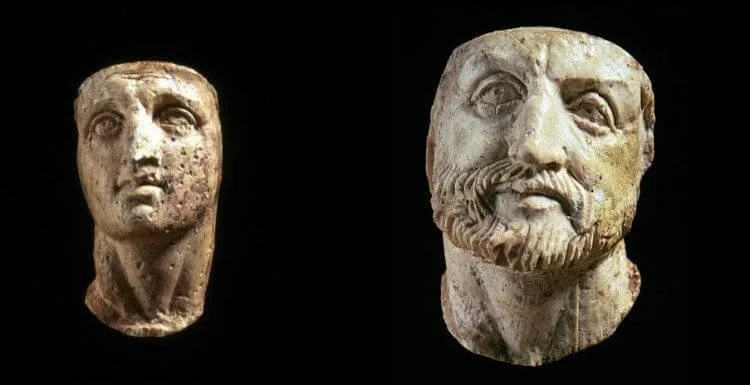
The Ivory Effigy of Alexander: Ahrweiler cites the presence of an ivory effigy of Alexander in the tomb at Vergina as one of the most important pieces of evidence. This intricate carving raises questions about the identity of the occupant. Could this elaborate effigy be a custom unseen in other tombs?

The Frieze's Representation: Another compelling argument presented by Ahrweiler is the depiction of the frieze within the tomb. The representation of an action that must have occurred prior to its recording intrigues researchers. Could this be a subtle clue pointing to Alexander's final resting place?

Macedonian's Wish to Be Buried at Home: Ahrweiler highlights the Macedonians' historical desire to be buried in their homeland. This cultural preference for burial in one's place of origin raises doubts about Alexander's purported burial in Alexandria, Egypt.

Time Gap Between Burial and Mausoleum Construction: The time gap between the initial burial and the construction of the mausoleum is a crucial point of contention. Ahrweiler suggests that this timeline discrepancy challenges the conventional narrative surrounding Alexander's burial location.

The Deceased's Height: Ahrweiler draws attention to the height of the deceased individual in the tomb. According to her analysis, it does not match the stature of Philip II but instead aligns more closely with Alexander's own height, adding another layer of complexity to the mystery.

The Huntite Mineral: One of the lesser-known pieces of evidence Ahrweiler brings to light is the presence of huntite, an Egyptian mineral, in the tomb. This mineral's origin in Egypt poses questions about its significance in the context of Alexander's burial.

Helene Glykatzi-Ahrweiler's unconventional belief that Alexander the Great might be buried in Vergina challenges established historical narratives. Her arguments, though heretical to mainstream archaeologists, provide a fresh perspective on a centuries-old mystery. As the debate continues, it is a testament to the enduring allure of ancient history and the ongoing quest to uncover the truth about one of history's greatest figures. Only time and future generations of archaeologists may determine the ultimate resolution of this captivating puzzle.

Archaeologist Kottaridi explains why the tomb belonged to Philip II, not Alexander the Great

Kottaridi's standpoint is rooted in the principles of archaeological science, where data and evidence reign supreme. She emphasizes that the debate should be grounded in tangible findings rather than theoretical musings. In the tomb, there are remains—a male in the chamber and a female in the vestibule. These bones, meticulously studied since their discovery in 1977, offer critical information. The male's age at death, approximately in his fifth decade of life (around 45 years old), becomes a pivotal factor.

The Age Discrepancy: Kottaridi raises a compelling point by highlighting the age of the deceased. Alexander the Great, the conqueror of vast territories, perished before the age of 33. The age of the male found in the tomb contradicts this fact, as he lived well into his forties. This age gap, which is scientifically measurable, makes it improbable for the tomb to be that of Alexander.

The Case for Philip II: To support her claim, Kottaridi offers a series of combinatorial interpretations of events. She refers to the deceased as a king, which Manolis Andronikos has already stated. However, recent excavations have provided additional evidence. Over 2,000 graves have been unearthed in Aiges since Andronikos's time, strengthening the case for Philip II.

Kottaridi elaborates on the findings, revealing traces of fire and a golden wreath that began to melt within the tomb. These details suggest a ceremonial cremation, a ritual often associated with kings. The bones of the deceased were placed in a gold box, which, in turn, was enclosed within a marble one. This elaborate burial process aligns with the historical accounts of Philip II's death and funeral.

The Historical Context: Kottaridi underscores a crucial distinction between historians and archaeologists. Historians can formulate theories based on existing knowledge, but archaeologists must remain tethered to tangible evidence. In the case of the Vergina tomb, the evidence overwhelmingly supports the presence of Philip II, not Alexander the Great.

The debate over the occupant of the Vergina tomb remains a captivating discourse within the realms of history and archaeology. Angeliki Kottaridi's commitment to empirical data and evidence strengthens the case for Philip II, the father of Alexander the Great. While the allure of Alexander's resting place is undeniable, the scientific scrutiny of the tomb's contents and historical context unequivocally point to the conclusion that it is the final resting place of Philip II. As history and archaeology continue to unveil new insights, this debate will undoubtedly persist, but for now, the evidence tilts in favor of a Macedonian king who, in death, continues to intrigue and captivate the world.

In Greece's Historical Period Tags Dimosthenis Vasiloudis

The Dark Legacy of Ideological Manipulation: How the National Socialist Regime Weaponized Graeco-Roman Antiquity

December 25, 2023

BY the archaeologist editor group


The weaponization of Graeco-Roman antiquity by the national socialist regime in Germany stands as a chilling testament to the power of historical manipulation for political and ideological gain. This article delves into the deliberate exploitation of ancient cultures, specifically the appropriation of classical antiquity, to serve the interests of the Nazi regime. Central to this manipulation were the concepts of Germanocentrism and Aryan-blood purity, which were integral to the national socialist ideology.

A rather bashful Adolf Hitler is posing next to the Discobolus Palombara in the Munich Glyptothek.

Reinterpreting Significance

Under the national socialist regime, Graeco-Roman antiquity was reinterpreted to align with the narrative of racial and cultural superiority. The ancient Greek and Roman civilizations were elevated to the zenith of Western culture, a status that was then co-opted to promote the myth of Aryan racial supremacy. In doing so, the Nazis aimed to forge a national identity rooted in a mythical past, utilizing classical antiquity as a potent instrument for consolidating their authority.

Distortion of Historical and Archaeological Evidence

A deliberate distortion of historical and archaeological evidence marked the relationship between the Nazi regime and Graeco-Roman antiquity. Ancient texts, artifacts, and symbols were manipulated to construct a narrative that emphasized a supposed racial and cultural continuum between the ancient Mediterranean civilizations and contemporary Aryan people. This distortion of history served as a means to legitimize the regime's supremacist agenda.

Albert Speer's New Reich Chancellery with Arno Breker's two statues, completed in 1939

Visual Propaganda and Architectural Endeavors

The weaponization of Graeco-Roman antiquity extended beyond the realm of ideology into the domain of visual propaganda and architectural undertakings. The Nazis strategically incorporated classical motifs and architectural elements reminiscent of ancient Greece and Rome into their designs. This was a deliberate effort to convey a sense of grandeur, power, and historical continuity. Monumental buildings and elaborate public events were designed to evoke a mythical connection to the classical world, reinforcing the regime's authority and promoting its supremacist doctrine.

A poster for the 1936 Berlin Olympics

Cultural Appropriation and Historical Subversion

The weaponization of Graeco-Roman antiquity was part of a broader spectrum of cultural appropriation and the subversion of historical narratives to further the national socialist agenda. This exploitation of ancient cultures as a means of ideological validation highlights the dangerous manipulation and distortion of historical truth for political and propagandistic ends. It underscores the significant impact of historical revisionism on shaping public consciousness and perception.

In this Aug. 1, 1936, file photo, the lighting of the Olympic fire in Lustgarten, Berlin, where it will be guarded by members of the Hitler Youth until it is brought to the Olympic stadium for the opening of the games in the afternoon. The torch relay was not always a fixture of the modern Olympics, which began in 1896. The relay tradition began with Adolph Hitler’s 1936 Olympics in Berlin, the Games of the XI Olympiad, and was the brainchild of Dr. Carl Diem who was the head of the organizing committee. (AP Photo/File)

In conclusion, the national socialist regime in Germany had a complicated relationship with Graeco-Roman history. They reinterpreted and weaponized ancient cultures on purpose to support their ideas of Germanocentrism and Aryan blood purity. This appropriation of classical antiquity not only reveals the insidious nature of historical manipulation but also serves as a stark reminder of the enduring power and influence of ancient civilizations in contemporary political and ideological contexts. It stands as a cautionary tale, emphasizing the vital importance of safeguarding the integrity of history from distortion and manipulation for sinister purposes.

Tags The Archaeologist Editorial Group

New Genetic Tool Reveals Hidden Family Connections in Ancient Times

December 24, 2023

In a groundbreaking development, scientists from the Max Planck Institute for Evolutionary Anthropology in Leipzig, Germany, and the University of Harvard in the United States have unveiled a revolutionary genetic analysis tool known as "ancIBD." This cutting-edge technology has the capacity to identify the relatives of prehistoric and historical individuals up to the sixth degree, marking a significant leap from the previous limit of the third degree. This advancement promises to reshape our understanding of ancient cultures and human history by uncovering hidden connections among people of the past.

A Genetic Insight into Ancient Relationships

The foundation of this breakthrough lies in the concept of "Identity by Descent" (IBD) segments in DNA. When two individuals are biologically related, they share extended stretches of DNA that can be traced back to a common ancestor. These shared genomic segments are crucial in identifying genetic relatives. While modern personal genomics companies like 23andMe or Ancestry routinely detect IBD segments in the DNA of their customers to reveal biological relatives, applying this concept to ancient genomes presented a unique challenge.

Ancient DNA often suffers from degradation, making it of lower quality compared to modern DNA. To overcome this hurdle, the researchers behind ancIBD devised an innovative method that involves using modern reference DNA panels to fill in gaps in ancient genomes. This ingenious approach allowed them to extract IBD segments from the DNA of individuals who lived hundreds, thousands, or even tens of thousands of years ago.

A Deeper Dive into Ancient Connections

With the advent of ancIBD, researchers have opened up entirely new avenues for exploring ancient DNA data. This powerful tool has the ability to detect pairs of up to sixth-degree relatives in ancient genomes, a feat previously limited to detecting only up to third-degree relatives. This means that relationships as distant as second-to-third cousins or even great-great-great great grandparents can now be identified with precision.

The implications of this breakthrough are far-reaching. By applying ancIBD to a dataset of 4,248 ancient genomes spanning Eurasia and the last 50,000 years, scientists have uncovered hundreds of previously unknown pairs of relatives. What makes these findings even more fascinating is the revelation that some of these relatives were buried significant distances apart, shedding light on the mobility and migrations of ancient peoples.

One remarkable example involves two Early Bronze Age nomads from Central Asia who lived around 5,000 years ago and were fifth-degree relatives. Astonishingly, they were buried approximately 1,500 kilometers apart from each other. This finding underscores the extensive movements and interactions of ancient populations.

The figure shows shared IBD segments (shown in blue with their location on the 22 human chromosomes) between pairs of relatives. Using their new method, the authors were able to detect these stretches of identical DNA in four people from Neolithic England who lived about 5,700 years ago and are buried in the Hazleton North Long Cairn. Up to the sixth degree of relationship, people usually share several long IBD segments – the new tool can now determine these precisely. Fig. © Ringbauer & Huang et al., Nature Genetics (2023)

Ancient Cultural Connections

Beyond the realm of familial relationships, ancIBD has allowed researchers to investigate even more distant relatives with unprecedented precision. While not all relatives beyond the tenth degree share long IBD segments, the tool has enabled the measurement of the average rate of sharing long DNA between groups of ancient individuals. This has uncovered previously unknown connections between ancient cultures, sometimes spanning vast distances over only a few hundred years.

One intriguing discovery concerns a massive gene flow from the Eurasian steppe around 5,000 years ago. The first Europeans with substantial steppe ancestry, associated with the Corded Pottery culture, share numerous long IBD segments with the Yamnaya herders of the Pontic-Caspian steppe. This suggests a significant genetic bottleneck event and a biological link between these population groups that dates back just a few centuries.

Additionally, researchers identified elevated sharing of long IBD segments between Corded Ware individuals and East European people associated with the Globular Amphora culture. This finding indicates a major demographic impact on the genetic admixture of various Corded Ware groups.

A Window into Our Ancestors' Lives

The introduction of ancIBD as a tool to screen ancient DNA for familial relationships is a significant milestone in the field of archaeogenetics. With thousands of ancient genomes being produced annually, this versatile computational tool is poised to play a pivotal role in illuminating the lives of our ancestors, both on a personal scale, revealing individual life stories and their relatives, and on a macro scale, shedding light on large-scale cultural and historical events.

As we peer into the genetic past with greater clarity, the intricate tapestry of human history and culture continues to unfold, offering fresh insights and connections that bridge the gaps between the present and the distant past. Ancient DNA, once shrouded in mystery, is now a window into our shared heritage, and ancIBD is the key that unlocks its secrets.

A brick dating to the reign of Nebuchadnezzar II, around 604 to 562 BCE. (Slemani Museum)

Mesopotamian Bricks Uncover Secrets of Earth's Shifting Magnetic Field

December 24, 2023

The ancient Mesopotamian civilization, renowned for its epic contributions to human history, has once again offered a captivating glimpse into the mysteries of our planet. Bricks crafted over 3,000 years ago have emerged as an unexpected key to deciphering the ever-changing magnetic field that surrounds Earth. In this article, we delve into the fascinating discovery of Mesopotamian bricks containing iron oxide grains that provide invaluable insights into the history of Earth's magnetic field.

Unveiling the Age and Significance

These ancient bricks possess an extraordinary feature: a stamped description that allows scientists to pinpoint their age with precision. This breakthrough enables the dating of geological records contained within these bricks, offering a unique perspective on the evolution of Earth's magnetic field. This newfound method opens a pathway to comprehending the dynamic nature of our planet's magnetic shield and, in turn, enhances our ability to predict its current and future behavior.

Archaeomagnetism: A New Frontier

Traditionally, dating ancient artifacts from Mesopotamia relied heavily on methods like radiocarbon dating, which often required organic materials. However, many cultural remnants, such as bricks and ceramics, lack these organic components. This obstacle is where archaeomagnetism comes to the rescue. Earth's magnetic field is not static; it evolves over time due to intricate processes within the planet. Alterations in this magnetic field can be recorded in materials on Earth's surface, presenting a captivating field of study known as paleomagnetism.

The Mesopotamian Brick Study

Under the leadership of archaeologist Matthew Howland from Wichita State University in the US, a dedicated team of researchers embarked on an expedition to explore the potential of Mesopotamian bricks for advancing archaeomagnetism. These bricks, each bearing the name of the reigning king at the time of their creation, held the key to unlocking secrets about Earth's magnetic history.

To date, researchers have meticulously narrowed down the probable range of years during which each king ruled. Then, they meticulously extracted small samples from the bricks and employed a magnetometer to measure the alignment of minuscule iron oxide grains within them. This method allowed them to construct a broad overview of the Earth's magnetic field behavior over approximately 2,000 years, spanning from the 3rd to the 1st millennia BCE.

Bricks dating to the reign of Nebuchadnezzar II reveal short, but dramatic, changes in Earth's magnetic field. (Slemani Museum)

The Levantine Iron Age Geomagnetic Anomaly

Upon analyzing their findings and comparing them with other archaeomagnetic studies worldwide, the researchers stumbled upon the enigmatic Levantine Iron Age geomagnetic anomaly (LIAA). This mysterious spike in magnetic field strength is believed to have occurred between 1050 and 550 BCE in what is now modern-day Iraq. The team's reconstruction not only confirmed the existence of this anomaly but also provided rare insights into its occurrence within the region. Furthermore, their analysis revealed dramatic fluctuations during the reign of Nebuchadnezzar II, showcasing that Earth's magnetic field can undergo significant changes in relatively short timeframes.

A Double-Edged Achievement

This groundbreaking work is a double-edged achievement. Not only does it enable the correlation of bricks with the magnetic field, but it also provides a valuable tool for verifying the dates of Mesopotamian kings' reigns. This is a significant advancement since the exact chronology of these reigns has long been shrouded in uncertainty due to incomplete historical records.

The geomagnetic field remains one of the Earth's most enigmatic phenomena. Thanks to the well-preserved archaeological treasures of the Mesopotamian cultures, particularly the inscribed bricks bearing the names of specific kings, we now have an unprecedented opportunity to unravel the mysteries of the field's strength and its fluctuations with high-time resolution. This research not only enriches our understanding of Earth's magnetic history but also sheds light on the reigns of Mesopotamian kings. In the grand tapestry of human history and scientific discovery, Mesopotamian bricks have once again proven themselves as timeless witnesses to the wonders of our planet's past.

In Mesopotamia

Artifacts found at the Chorrillo Grande 1 site include Venetian glass beads (top), horse bones and teeth (middle) and metal artifacts including nails and ornaments (bottom). Credit: Juan Bautista Belardi

The Galloping Revolution: How Horses Transformed South America's Past

December 24, 2023

In the annals of history, certain moments stand out as catalysts for profound change. One such pivotal moment occurred when horses made their way to the shores of South America in the 16th century. In a recent study, researchers from the University of Colorado at Boulder and their colleagues in Argentina discovered convincing evidence of how the introduction of horses to South America sparked a rapid economic and social transformation that was unexpected and independent of European control.

The lead researcher, William Taylor, an assistant professor of anthropology and curator of archaeology at CU Boulder, asserts that this groundbreaking research has unveiled a far more dynamic narrative about the coexistence of people and horses in the Americas than previously believed. The study, conducted in Patagonia, provides vital insights into how horses, upon their arrival, had a continental-scale impact that reshaped the cultural, economic, and social landscape of the region.

The Archaeological Discovery

The Chorrillo Grande 1 site in southern Argentina served as the focus of the study, which Juan Bautista Belardi, an archaeology professor at the Universidad Nacional de la Patagonia Austral in Argentina, led. This site yielded a treasure trove of artifacts, including horse bones, metal ornaments, and remnants of an Aónikenk/Tehuelche campsite. The Tehuelche nation, known for their expertise in horse utilization for hunting, transportation, warfare, and sustenance, played a central role in this fascinating narrative.

What makes this discovery particularly remarkable is the temporal depth of human occupation in the region. Belardi remarks, "As far as we can tell, the human occupation of the canyon started at least around 3,500 years ago." This extended history allows us to piece together how hunter-gatherers adapted their lifestyle and the way they interacted with the environment.

Study site in southern Patagonia, along with reference data for 87Sr/86S ratios from water sources in the adjoining river drainages of Argentina (35). Map by Dr. J. Conver.

Unlocking the Secrets with DNA

To shed light on this transformative period, Taylor and his colleagues utilized cutting-edge methods such as DNA sequencing, radiocarbon dating, and isotope analysis on the artifacts excavated by Belardi's team. The genetic and isotopic data revealed a fascinating life history of the horses, including their origins and mobility between valleys. These findings provide a glimpse into how horses altered the hunter-gatherer landscape and significantly influenced the social and ideological fabric of Patagonia.

The Arrival of Horses

When horses first entered the lives of the indigenous people of Patagonia, their advantages were immediately apparent. Taylor and Belardi emphasize how the ability to conserve energy by riding horses, extend the radius of hunting expeditions, reduce the time required to locate prey, and ease the transportation of goods revolutionized every aspect of life in the region. Moreover, horses could be consumed and their hides utilized, further underscoring their multifaceted impact.

Horses as Agents of Change

Beyond their utility in everyday life, horses served as catalysts for broader transformations. Taylor contends that horses served as connectors, bringing distant communities together. They transformed grasslands into thriving cultural, economic, and political hubs. During the colonial era, horses played a pivotal role in maintaining sovereignty for various indigenous groups. Remarkably, even in 2023, the enduring roles and impacts of horses will continue to influence the world around us, albeit often beneath the surface.

Taylor's Personal Connection

For Taylor, the study of the "human-horse story" is not just an academic pursuit but a personal journey. He recalls his grandfather's cowboy roots and his father's upbringing with horses, contrasting them with his own generation's disconnection from these magnificent creatures. Taylor's early encounter with a 2,500-year-old horse skeleton ignited his curiosity and set him on the path of exploring the profound connection between humans and horses, a legacy that endures in places like Montana and Colorado today.

A Promising Future of Research

As Taylor aptly puts it, this research is far from complete. It serves as a foundation upon which future investigations can be built. The study offers a launching pad for exploring the role of horses in ancient Argentina and South America on a broader scale. Taylor expresses hope that this work will inspire collaborative efforts to delve deeper into the intricate web of interactions between humans and horses across different corners of the ancient world.

In conclusion, the introduction of horses in South America was not just a historical footnote but a seismic shift that transformed the lives of indigenous people, reshaped the landscape, and left an enduring imprint on the continent. As we continue to uncover the stories of our past, we are reminded that history, archaeology, and the boundless curiosity of researchers like William Taylor hold the key to unlocking the mysteries of our shared human experience.

mike / FLICKR

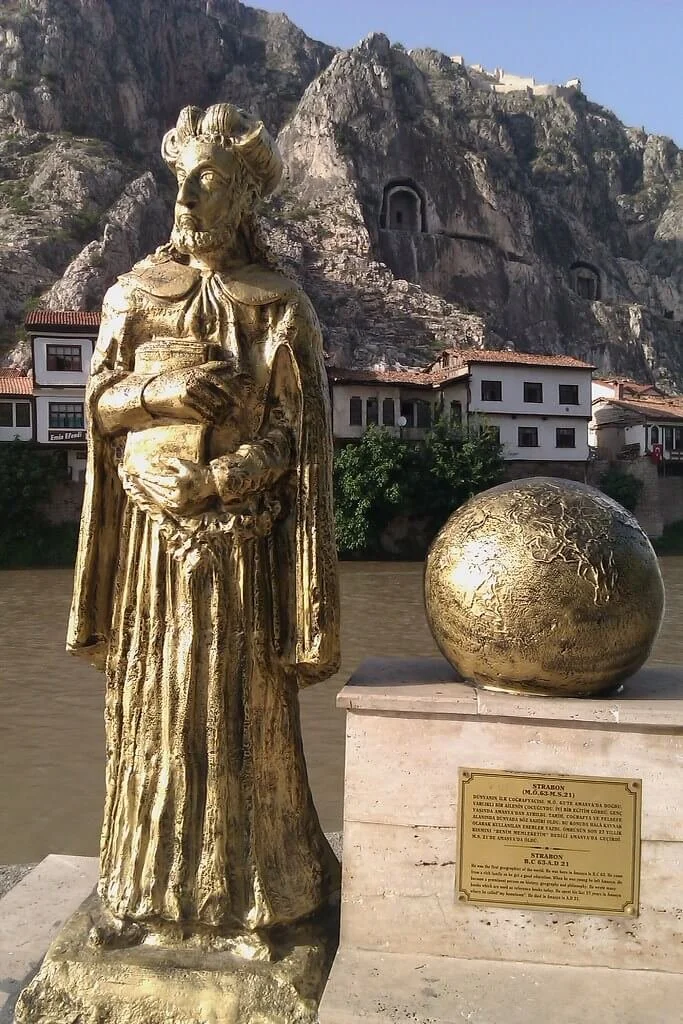
Statues of the Greek Geographer Strabo in Turkey: A World Cultural Heritage

December 24, 2023

BY DIMOSTHENIS VASILOUDIS


Strabo, the renowned Greek geographer, philosopher, and historian, left an indelible mark on the world through his monumental work, "Geographica." Born in the ancient city of Amaseia, located in present-day Amasya in Turkey, Strabo's contributions to the understanding of the world's geography and history are celebrated to this day. In this article, we delve into the statues of Strabo in Amasya, a tribute to his enduring legacy and the rich history of this region.

The Birthplace of a Scholar

Amaseia, nestled high on the cliffs above the Iris River (Yesilirmak), holds a significant place in history. In antiquity, it was a fortified city that produced kings, philosophers, and thinkers. Strabo's birth in Amaseia around 64 BC marked the beginning of a remarkable journey for the young scholar.

Strabo's most enduring contribution is undoubtedly his work, "Geographica." This monumental piece of scholarship serves as an encyclopedic chronicle of the world known during his era. Its contents encompass political, economic, social, cultural, and geographic descriptions of regions ranging from the British Isles to North Africa, providing invaluable insights into both Greek and Roman societies during the reign of Augustus.

drumbrake / FLICKR

Strabo's Influence on Modern Geography

Strabo's work laid the foundation for modern geography and historical studies. His meticulous observations and descriptions of distant lands, peoples, and cultures paved the way for future explorers and scholars. Even in the 21st century, historians and archaeologists refer to Strabo's writings as valuable sources of information about the ancient world.

The TWO Statues of Strabo

In homage to Strabo's intellectual legacy, Amasya has erected two statues by the banks of the Iris River. These statues serve as a visual reminder of the city's rich history and its connection to this remarkable ancient scholar. They stand as a testament to the enduring impact of Strabo's work, which continues to inspire historians, archaeologists, and geographers worldwide.

The statues of Strabo in Amasya, Turkey, stand as a symbol of the enduring legacy of this Greek geographer and historian. Strabo's monumental work, "Geographica," continues to enlighten us about the ancient world, bridging the gap between the past and the present.

In Greece's Historical Period Tags Dimosthenis Vasiloudis

A Long Excavation Revealed 'Interamna Lirenas': An Abandoned City of the Roman Empire

December 23, 2023

The allure of the Roman Empire never seems to fade, even after centuries have passed since its zenith. For Italian archaeologists, their passion for uncovering the secrets of this ancient empire remains undiminished. In a remarkable discovery that has taken more than 13 years of dedicated excavations, the lost town of Interamna Lirenas has emerged from obscurity, shedding new light on the Roman world.

A Hidden Treasure

Interamna Lirenas, nestled midway between Rome and Naples, had long remained concealed, evading historians and archaeologists for over 1,500 years. The initial discovery of the town dates back to the 1980s, though at that time, it was mistakenly identified as a small settlement. However, recent excavations have unveiled a different story altogether.

As the layers of history were carefully peeled back, Interamna Lirenas revealed its true grandeur. It was not a mere settlement but a thriving town, complete with housing, a temple, baths, and even a roofed theatre. Unlike the famous city of Pompeii, Interamna Lirenas did not succumb to a natural disaster; rather, its inhabitants seem to have chosen to depart for reasons that remain shrouded in mystery.

Dr. Alessandro Launaro of the Classics Faculty at Cambridge University was in charge of the 13-year excavation project. According to Dr. Launaro, Interamna Lirenas held a strategic position between a river and a major road, making it a crucial node in the regional urban network. During the civil wars, it played a vital role in consolidating support across Italy. The town's ability to foster relationships with communities between Rome and southern Italy while thriving as a trading hub underscores its significance.

Endurance Beyond the Roman Empire

Remarkably, Interamna Lirenas managed to thrive for a century after the fall of the Roman Empire, a testament to the resilience of its local and regional networks, both political and economic. These networks allowed life to continue even in the midst of the empire's decline.

Within the town's confines, there were status symbols aplenty, with the roofed theatre standing out as a prominent example. Dr. Launaro emphasizes that this theatre served as a major status symbol, showcasing the town's wealth, power, and ambition. Interamna Lirenas also boasted a large basilica, or town hall, and several communal bathhouses, reflecting a rich social and civic life. Houses of varying sizes and status coexisted in the town, highlighting its social mobility.

The rediscovery of Interamna Lirenas serves as a compelling reminder of the enduring fascination of the Roman Empire. This town, once lost to the sands of time, has reemerged as a testament to the resilience and adaptability of ancient civilizations. Dr. Alessandro Launaro's meticulous research and excavation efforts have unveiled a treasure trove of historical insights, shedding light on a thriving Roman town that remained hidden for over a millennium. As we delve deeper into the annals of history and archaeology, Interamna Lirenas offers a glimpse into the remarkable stories that continue to lie buried beneath the earth, waiting to be unearthed and shared with the world.

Photo from Save Wemyss Ancient Caves Society

Storm Reveals Forgotten Medieval Skeleton in Scotland

December 23, 2023

In a land steeped in history and ancient mysteries, Scotland recently bore witness to an intriguing revelation. A fierce storm sweeping through the region unveiled a long-forgotten medieval skeleton, setting in motion an exciting discovery that has captured the imagination of archaeologists and history enthusiasts alike. This extraordinary discovery near Wemyss Caves in Scotland provides a window into a bygone era and sheds light on a history that the sands of time have obscured.

The custodian of the Wemyss Caves historic site, Stuart Cook, found himself compelled to inspect the coastline for storm damage. Little did he know that this routine check would lead to an astonishing discovery. Amidst the windswept beach, Cook stumbled upon what initially appeared to be mere bone fragments. However, upon closer examination, it became evident that a human skull was protruding from the sandy expanse.

Upon confirming that these remains were not recent, archaeologists embarked on a meticulous excavation of the site. Their efforts unearthed not one but two sets of human remains, shrouded in a cloak of time. These burials, concealed beneath a layer of stones, included one individual interred in a crouched position.

Photo from Save Wemyss Ancient Caves Society

The significance of these discoveries cannot be overstated. While the five previously unearthed skeletons near the Wemyss Caves were dated to the 11th century, these newfound remains are believed to be at least a millennium old. They likely belong to an early medieval cemetery, whose existence raises intriguing questions about the historical context. Why was there a cemetery here, and what drew people to this place in ancient times? Clues may lie in the early Christian crosses discovered in nearby caves, suggesting that these sites held great significance for early Christianity and perhaps served as places of pilgrimage.

The journey of these ancient remains is far from over. In the coming year, forensic analysis will delve into the mysteries hidden within these skeletal fragments, potentially providing answers to questions that have lingered for centuries. While coastal erosion poses a long-term threat to this unique site, it is events like this that illuminate the past and offer a window into the history of the region.

Scotland's stormy embrace has once again revealed the secrets of its past, bringing to light a forgotten chapter of medieval history. As the forensic analysis unfolds, historians and archaeologists eagerly await the revelations that may reshape our understanding of the early medieval period in this enigmatic corner of the world. The Wemyss Caves and the area around them continue to fascinate us by serving as a reminder that beneath the sands of time, echoes of the past still exist and are just waiting for those who dare to explore the records of history to unearth them.

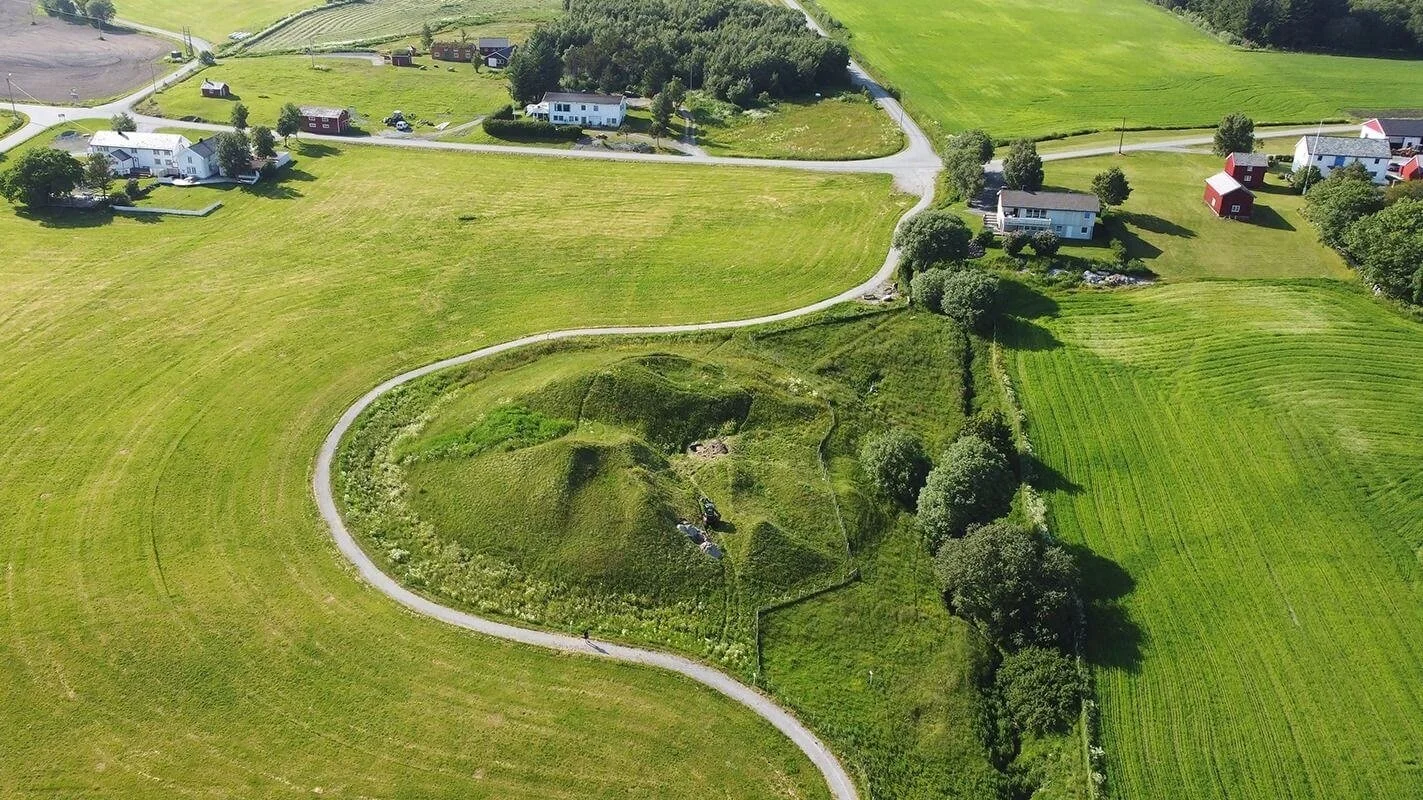
An aerial view of the burial mound in central Norway. (Image credit: Geir Grønnesby)

Predating Viking times, Norway has discovered its oldest ship burial

December 23, 2023

The Oldest Ship Burial in Norway: A Glimpse into Pre-Viking History

In the picturesque landscape of central Norway, a mysterious grassy hill known as the Herlaugshagen burial mound has been shrouded in intrigue for generations. Archaeologists have long suspected that this sizable mound, which is located along a centuries-old shipping route, is the final resting place of a pre-Viking ship. Recent surveys and excavations have unearthed compelling evidence that not only supports this hypothesis but also challenges our understanding of maritime traditions and exchange networks in the region.

The Discovery

This summer, a team of dedicated archaeologists embarked on a mission to unravel the secrets hidden beneath the Herlaugshagen burial mound. What they uncovered was nothing short of remarkable. Large rivets, once integral to the structure of a ship, were found scattered across the site. The discovery of wooden remnants thought to be a part of the ship's hull complemented these rivets. Geir Grønnesby, an archaeologist at the Norwegian University of Science and Technology (NTNU), led the survey and was quick to note the excellent preservation conditions of these artifacts.

The burial mound itself is of staggering proportions, with a diameter measuring about 197 feet (60 meters) and a height of 23 feet (7 meters). Such dimensions strongly suggest that this site once cradled a vessel of significant size, thus confirming the long-held suspicions of archaeologists.

Radiocarbon dating of the preserved wood places the construction of this ship at around A.D. 700. Astonishingly, this date predates the Viking Age, a period that historically marked the zenith of ship burials in Scandinavia. This discovery effectively bridges the temporal gap between earlier Scandinavian ship burial traditions and the famous Sutton Hoo find in England, which dates back to the seventh century.

Historical Significance

The Herlaugshagen burial mound holds more than just archaeological treasures; it carries profound historical implications. Prior to this discovery, the oldest known ship burials were thought to be from the late 8th century. The unearthing of this pre-Viking ship burial challenges conventional wisdom and sheds light on the evolution of burial practices in Scandinavia.

Local records indicate that the site had been excavated multiple times in the 18th century, yielding artifacts such as a wall fragment, iron nails, a bronze kettle, animal bones, charcoal, and even a seated skeleton accompanied by a sword. Regrettably, these invaluable relics were lost in the 1920s, leaving behind only written accounts of their existence. Nevertheless, the recent research has opened a window into the historical significance of ship burials in the region.

Implications and Unanswered Questions

While the discovery has provided remarkable insights, there are still unanswered questions regarding the vessel's nature and purpose. Since the entire ship has not been excavated, its exact function remains a subject of speculation. Ships from this era were commonly associated with warriors and warfare, but it is also plausible that they played a pivotal role in facilitating trade and the transportation of goods along the coast.

The Herlaugshagen burial mound, with its pre-Viking ship burial, has added a new chapter to the rich tapestry of Scandinavian history and archaeology. This monumental find not only reshapes our understanding of ship burials but also underscores the maritime expertise and extensive networks that existed long before the Viking Age. As further research unfolds, we can anticipate even more revelations from this extraordinary site, deepening our appreciation of the ancient cultures that once thrived in this captivating corner of the world.

Jagiellonian University in Kraków

Mysteries of Pueblo Astronomical Artistry: A Discovery in Colorado

December 23, 2023

In a remarkable archaeological revelation that promises to rewrite our understanding of the ancient Pueblo culture, researchers from the prestigious Jagiellonian University in Kraków have unveiled an extraordinary collection of astronomical carvings and paintings. These exquisite findings were unearthed at the Castle Rock Pueblo settlement complex, nestled on the mesmerizing Mesa Verde plateau, straddling the border between Colorado and Utah, United States.

The Castle Rock Pueblo has long been a subject of fascination for archaeologists due to its historical significance. Previous research had unveiled Pueblo petroglyphs dating back to the 12th and 13th centuries AD, as well as rock panels from the 15th to 17th centuries AD, adorned with depictions of hunting scenes closely associated with the Ute tribe. The Puebloans, or simply Pueblos, represented one of the earliest Native American civilizations, with their roots tracing back to around AD 100. Their domains spanned across vast regions, encompassing Utah, sections of Arizona, New Mexico, and the majestic state of Colorado.

What sets the Pueblo culture apart, among the tapestry of Pre-Columbian societies, is their remarkable achievements in architecture, art, and craftsmanship. They constructed multistory stone houses, adorned their surroundings with captivating rock art, crafted intricately ornamented jewelry, and produced ceramics adorned with vibrant painted motifs.

The groundbreaking discovery that has captured the world's attention came about through the diligent efforts of archaeologists who heeded the tales passed down by the local community. These stories led them to explore the most challenging and remote areas of Sand Canyon, Graveyard Canyon, and Rock Creek Canyon within the Castle Rock Pueblo settlement complex. Perched at a breathtaking altitude of 800 meters above the cliff settlements, the intrepid team stumbled upon an astonishing treasure trove of petroglyphs etched into rock panels that stretch for over 4 kilometers around the expansive plateau.
Among the most striking of these petroglyphs are the spirals, some measuring up to a meter in diameter. These spirals played a crucial role in the lives of the Pueblo people, serving as tools for astronomical observations. They enabled precise determinations of the summer and winter solstices, as well as the spring and autumn equinoxes. These celestial markings are a testament to the Puebloans' profound connection with the cosmos and their advanced understanding of celestial cycles.

In addition to the astronomical engravings, the team uncovered painted depictions that provide a fascinating glimpse into the past. These images depict warriors and shamans and are believed to date back to the 3rd century AD, a period known as the Basketmaker Era. These depictions suggest a rich tapestry of religious and cultural practices that thrived alongside these outdoor panels.

Professor Radosław Palonka from the Jagiellonian University in Kraków remarked, "These discoveries have compelled us to reassess our understanding of this region. It is clear that we had previously underestimated both the population size in the 13th century and the complexity of their religious practices, which undoubtedly revolved around these enigmatic outdoor panels."

The revelations at Castle Rock Pueblo offer a glimpse into the profound cultural and astronomical significance of the Pueblo people. It underscores the importance of continued exploration and research into our shared human heritage. As we delve deeper into the mysteries of the past, we are granted a richer appreciation of the diverse and intricate tapestry of civilizations that have graced our planet throughout history.

In conclusion, the discovery of Pueblo astronomical carvings and paintings at Castle Rock Pueblo is a testament to the enduring power of human curiosity and the dedication of archaeologists in unraveling the mysteries of the past. It serves as a reminder that our understanding of ancient cultures is an ever-evolving journey, and each new revelation brings us closer to the heart of our shared human history.

Netflix Documentary Misrepresents Italy's Invasion of Greece, Ignoring Greek Resistance

December 20, 2023

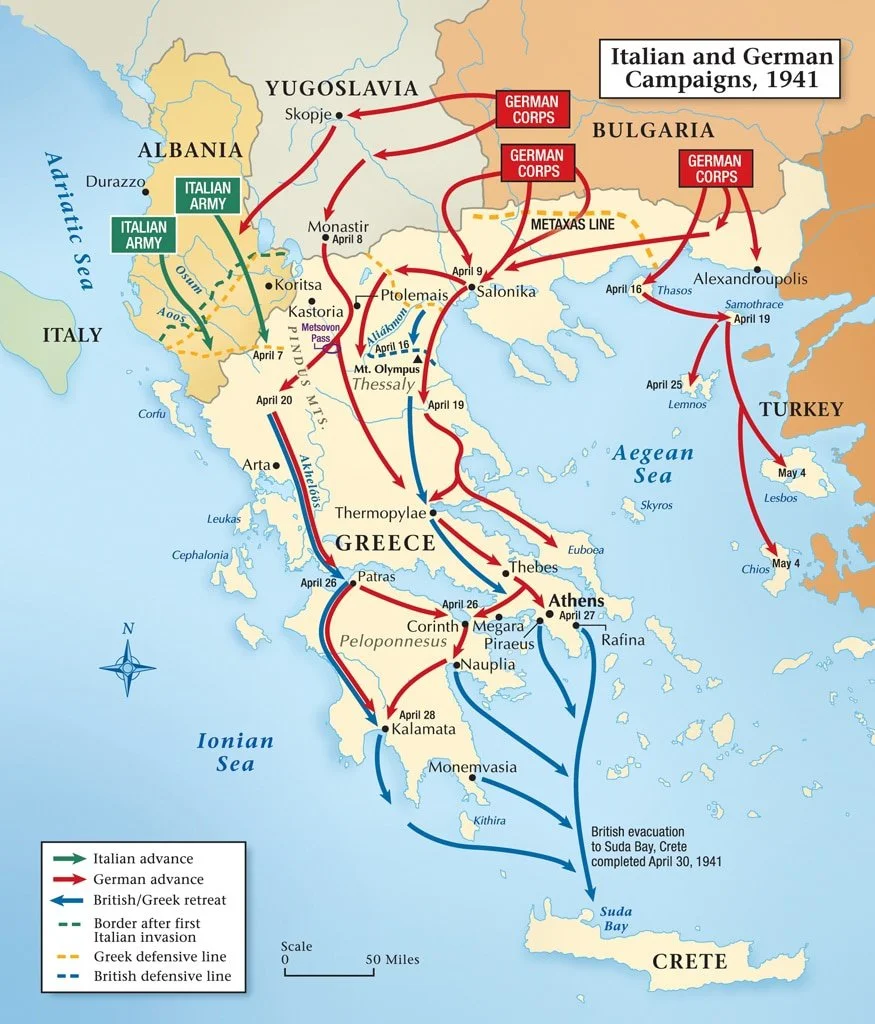
During World War II, Greece's resistance against the Axis powers (Italy, Germany, Bulgaria, and Albania) was one of the longest in Europe, second only to the UK.

In a world where the streaming giant Netflix continues to capture the imagination of global audiences with its vast array of documentaries and dramas, there is a growing concern among historians and enthusiasts alike regarding the accuracy of the content being produced. The most recent example of this historical oversight can be found in the documentary titled "World War II From the Frontlines," which inaccurately portrays Italy's unsuccessful invasion of Greece. In this article, we will delve into the overlooked Greek resistance and the complex dynamics of Axis collaboration during this pivotal period in history.

Inaccurate Portrayal

Released just moments ago, "World War II From the Frontlines" has already sparked controversy for its depiction of Italy's ill-fated invasion of Greece. The documentary erroneously suggests that Italy faced minimal resistance from the Greeks and fails to acknowledge the heroic efforts of the Greek military in pushing Mussolini's forces back into Albania.

The Greek Resistance

To fully appreciate the historical significance of Greece's resistance during World War II, one must understand the context. On April 6, 1941, as Germany launched a massive attack on Greece's northern border, Italy's initial invasion had already faltered. Against all odds, Greece had not only defied Italian expectations but also showcased a tenacious defense that left a lasting impact.

The Greek resistance during Italy's attack in World War II is a remarkable chapter in Greece's history, characterized by heroic battles, unwavering determination, and the eventual liberation of the Greek minority in Northern Epirus.

The conflict began when Italy, under the leadership of Benito Mussolini, launched an invasion of Greece on October 28, 1940, aiming to expand its territorial holdings in the Balkans. Contrary to Italian expectations, the Greek forces put up a spirited defense, successfully repelling the initial Italian offensive. This marked the beginning of a prolonged period of resistance.

The Greek military and civilian population demonstrated remarkable resilience during the Italian invasion. Greek soldiers, often outnumbered and outgunned, engaged in fierce battles with the Italian forces. Some of the notable battles included the Battle of Pindus, where Greek troops thwarted Italian advances in the rugged mountainous terrain.

The liberation of Northern Epirus, a region with a sizable Greek minority that had long been under Albanian rule, was one of the remarkable achievements of the Greek resistance. Greek resistance fighters liberated this region in 1944, reuniting it with Greece.

The Battle's Significance

While it was clear that Greece could not single-handedly defeat the combined might of the Italian and German forces, the determination of the Greek people to continue the fight played a crucial role. The battle in Greece proved to be a significant factor in the overall outcome of World War II. The prolonged German invasion of Russia into the harsh winter, similar to Napoleon's downfall over a century earlier, could be attributed to the resilience of the Greek resistance.

Greece resisted for 219 days, from October 1940 to April 1941, when Nazi Germany launched a major attack. During this time, Greece suffered 13,325 deaths, 62,663 wounded, and 1,290 missing in action. The Greeks gained global recognition for their courage and resistance during these invasions and the years of the Axis occupation.

Winston Churchill famously praised the Greek people for their heroism, and leaders from around the world admired Greece's resolve and courage. American President Franklin D. Roosevelt also honored the Greeks for their bravery. Greece's resistance during WWII is celebrated for its determination to defend freedom and justice.

Axis Collaboration

It is essential to recognize the complex dynamics of Axis collaboration during this period. Italy's initial invasion of Greece was met with resistance, but it was only through the collaboration of Axis powers, including Germany, that the Greek military was eventually overwhelmed. This collaboration is a critical aspect of the historical narrative that the Netflix documentary fails to adequately address.

Netflix's Historical Oversights

The controversy surrounding "World War II From the Frontlines" is not an isolated incident. Earlier this year, Netflix faced criticism for its docuseries "Queen Cleopatra," which explored the life of the famous Egyptian queen. The casting of a black actress in the role of Cleopatra ignited debates about historical accuracy and the portrayal of ancient civilizations.

Moreover, Netflix's upcoming project, a hybrid documentary drama series on Alexander the Great, also raises concerns about how historical figures and events will be presented to the audience. Given the track record of historical inaccuracies in recent Netflix productions, historians and enthusiasts are understandably cautious.

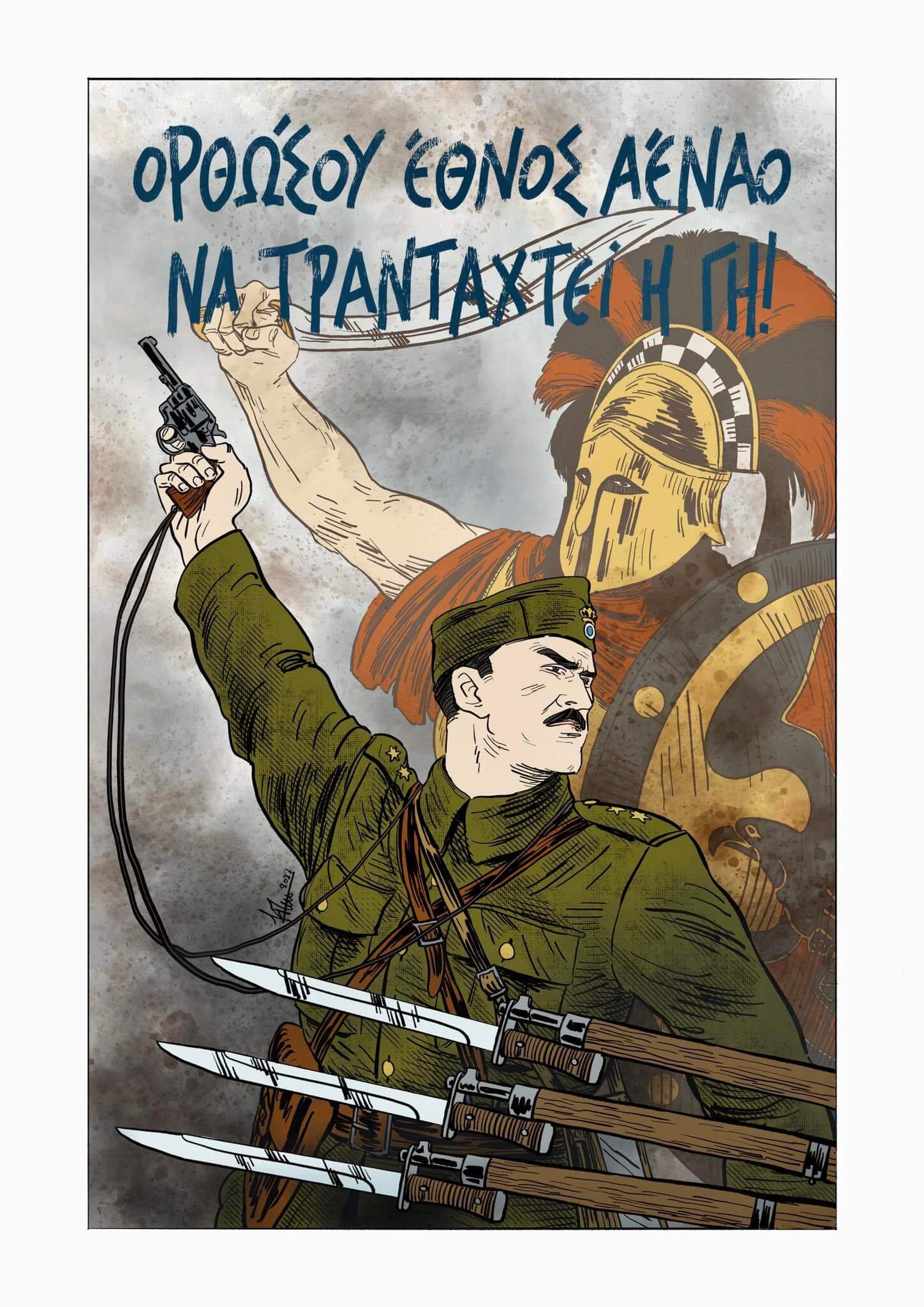
View fullsize 153118719_561712868096446_7440543039622508717_o (1).jpg
View fullsize Art by Konstantinos Pappas
Art by Konstantinos Pappas

While Netflix continues to captivate audiences with its compelling content, it is imperative that viewers remain discerning when it comes to historical accuracy. The portrayal of Italy's invasion of Greece in "World War II From the Frontlines" is just one example of how historical nuances can be overlooked in the pursuit of entertainment. To honor the memory of the Greek resistance and gain a deeper understanding of the past, it is essential that historical narratives are presented with the accuracy and respect they deserve.

This Recording Captured the Haunting Call of the Aztec Death Whistle, One of The World's Most Terrifying Sounds

December 19, 2023

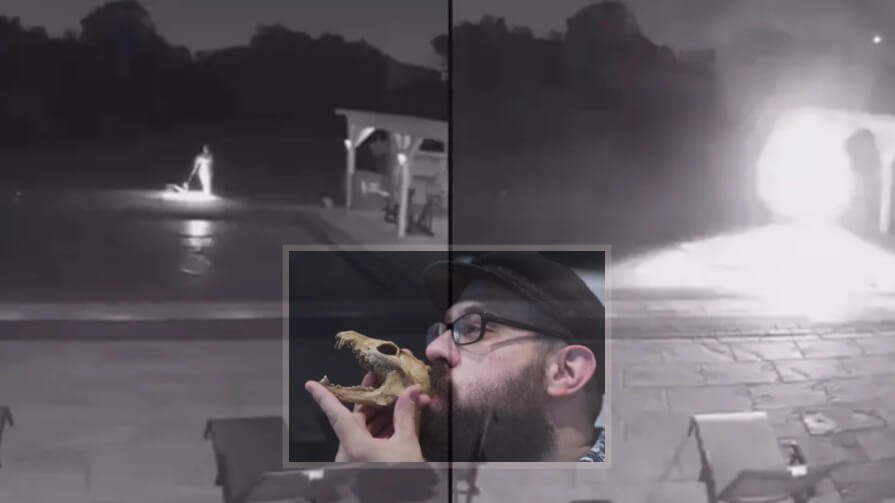
The 'World's Most Terrifying Sound' captured on a doorbell in a chilling moment may have sent shivers down the spines of those who heard it, but the origins of this blood-curdling noise trace back to a different time and place altogether. It is believed that the chilling sound resembles that of a woman screaming at the top of her lungs, a haunting noise that sent a dog owner and their pet scurrying back indoors in fear.

This spine-tingling commotion is thought to be produced by an Aztec Death Whistle, a name that is as ominous as the instrument itself. While the purpose of these whistles has been the subject of debate among archaeologists and historians, their discovery in 1999 shed light on an intriguing aspect of Aztec culture.

Initially, these whistles were thought to be mere toys, but it wasn't until 15 years later that a scientist decided to blow into one, revealing the horrifying sound it could produce. The noise emitted from these whistles was said to strike fear into the hearts of those who heard it, resembling the scream of a human in distress.

The discovery of Aztec death whistles has sparked a variety of theories regarding their use. Some contend that they served a ceremonial or religious purpose, possibly connected to the god of the underworld, Mictlantecuhtli, while others contend that Aztec warriors used them to terrify their enemies on the battlefield.

Aztec Death Whistles were first discovered in 1999. Credit: Tanner Pearson/The Boston Globe via Getty Images

Music archaeologist Arnd Adje Both's research into the inner workings of these whistles revealed that their sound was not as sharp as expected. Instead, it resembled the wind's atmospheric noise. This suggests that, despite their terrifying appearance and reputation, these instruments may have been used more in ceremonial rituals than in actual warfare.

The Aztec Death Whistle remains a mysterious artifact, and while its purpose continues to intrigue historians and archaeologists, it serves as a chilling reminder of the enigmatic aspects of ancient cultures. The eerie sound it produces echoes across the centuries, captivating the imagination and stirring curiosity about the rituals and beliefs of the Aztec civilization.

In conclusion, the Aztec Death Whistle is a haunting relic from the past that continues to perplex and fascinate. Its terrifying sound has left a lasting impression, offering a glimpse into the complex world of the Aztecs and their intriguing cultural practices.

Defleshed and Dismembered Corpses Revealed At Enigmatic Prehistoric Mega-Stone Spanish Burial

December 19, 2023

In the annals of history, the ancient practices surrounding death and burial rituals have often held a profound fascination for archaeologists and historians. Recent findings at Los Zumacales and La Lora in northern Spain have unveiled a mysterious and perplexing burial practice that occurred around 6,000 years ago. The discovery of defleshed and dismembered corpses within massive stone tombs has shed new light on the enigmatic funerary traditions of this bygone era.

A Glimpse into the Past

The monumental stone tombs at Los Zumacales and La Lora, unearthed several decades ago, have yielded a treasure trove of insights into the lives and deaths of the individuals who inhabited the Iberian Peninsula during the fourth millennium BC. A recent study, published in the International Journal of Osteoarchaeology, delves deep into the burial practices associated with these colossal tombs, seeking to unravel the social and natural processes that led to the peculiar state of the remains.

The Astonishing Discovery

Through meticulous examination of the skeletal remains, researchers, led by Angélica Santa-Cruz from the Universidad de Salamanca in Spain, made a startling revelation. Between 70 percent and 90 percent of the bones interred within the megatombs bore evidence of fracture and fragmentation. Notably, some of the fractures exhibited what can only be described as "butterfly-shaped" breaks, hinting at the possibility that they were created post-excavation using stone tools.

The Findings and Their Implications

The implications of these findings are nothing short of extraordinary. It appears that the ancient people who inhabited these regions practiced a form of secondary reduction on the remains following their initial deposition. This evidence raises numerous questions and theories about the motivations behind such a funerary practice.

One hypothesis suggests that this post-mortem manipulation of bones may have been part of a "death management process." It is conceivable that this practice was intended to expedite the natural decomposition of the bodies, with certain bones possibly collected and venerated as relics—a way to ensure the deceased's spiritual journey continued. This theory aligns with similar practices observed in various cultures throughout history.

However, there exists another, more unsettling possibility. The cut marks and fractures on the bones could also indicate signs of post-death cannibalism. While such a claim must be made cautiously, previous studies in ancient northwestern Europe have documented instances of this practice. It serves as a stark reminder of the complexity and diversity of funerary customs in different cultures and time periods.

The Quest for Understanding

Despite the tantalizing insights offered by this discovery, the exact motivation behind these ancient practices remains elusive. It is here that the scientific community calls for further research and investigation. To gain a comprehensive understanding of the funerary practices of the time, it is imperative to conduct additional studies on bones from tombs in the surrounding area.

The ancient stone tombs of Los Zumacales and La Lora have unveiled a chapter of history that is both captivating and enigmatic. The defleshed and dismembered corpses discovered within these imposing structures offer a glimpse into the complex world of ancient burial rituals. As we strive to decipher the motivations and beliefs that drove these practices, one thing remains clear: the past continues to surprise us, challenging our understanding of the human experience and the mysteries of the afterlife.

Viking Dentistry: Unveiling Ancient Techniques and Surprising Discoveries

December 19, 2023

The Viking Age has long fascinated historians and archaeologists, offering a glimpse into the lives of these seafaring warriors. Beyond their legendary exploits, recent research conducted at the University of Gothenburg has unveiled a lesser-known aspect of Viking life: their surprisingly advanced dentistry practices. In this article, we will delve into the findings of the study conducted in Varnhem, Sweden, shedding light on how Vikings cared for their teeth, sometimes not unlike today's dental treatments.

A Glimpse into the Past

The archaeological site at Varnhem, Sweden, has been a treasure trove of Viking history, with thousands of graves dating back to the 10th to 12th centuries AD. Among the preserved skeletons and teeth, Carolina Bertilsson and her team embarked on a meticulous study of over 3,293 teeth from 171 individuals.

Advanced Techniques

To examine the dental health of the Viking population, the researchers employed a combination of clinical and radiographical examinations. The teeth were subjected to clinical inspections using standard dentistry tools under bright light, mimicking modern dental examinations. X-ray examinations were also conducted, similar to contemporary dental practices.

Surprising Findings

The study's results, published in the journal PLOS ONE, revealed that approximately 49% of the Viking population in Varnhem had one or more caries lesions. Surprisingly, 13% of adult teeth showed signs of caries, often affecting the tooth roots. However, children with milk teeth, and those with both milk and adult teeth, were entirely caries-free.

Tooth loss was also a common occurrence among adults, with an average loss of 6% of teeth over their lifetimes (excluding wisdom teeth), and this risk increased with age. These findings indicate that caries, tooth infections, and toothaches were prevalent among the Viking population in Varnhem.

To the left a row of teeth showing clear signs that the person has made diligent use of toothpicks. To the right filed front teeth. The purpose of filing is unclear, but may have been used as an identity marker for men. Photo: Carolina Bertilsson

Evidence of Care

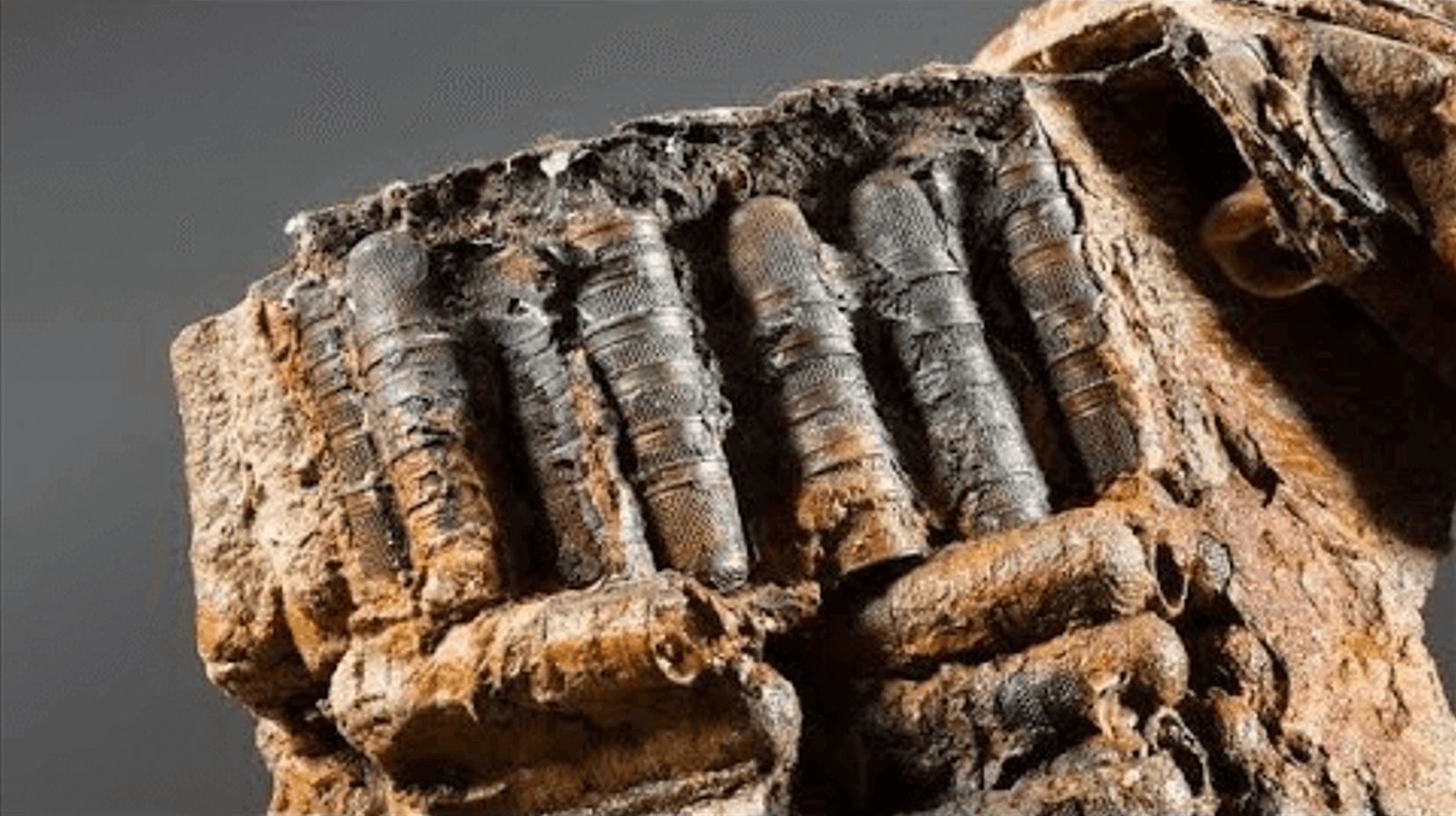
Despite these dental issues, the study revealed signs of Vikings actively caring for their teeth. There were indications of toothpick usage, filing of front teeth, and even attempts at dental treatment for infected teeth. Notably, some molars had holes drilled from the crown into the pulp, presumably to relieve pressure and lessen excruciating toothaches brought on by infections. This technique closely resembles modern dental procedures, where infected teeth are drilled into for treatment.

Identity Markers

One intriguing discovery was the filing of front teeth, which may have served as identity markers, primarily among men. While the exact purpose of this practice remains unclear, it adds another layer to our understanding of Viking culture and societal dynamics.

The study conducted in Varnhem, Sweden, provides valuable insights into the oral health and dental practices of the Viking population. It challenges the perception that Vikings had primitive dentistry and suggests that their approach to dental care was more advanced and sophisticated than previously thought.

These discoveries serve as a reminder that history is a tapestry of intricate details just waiting for devoted researchers like Carolina Bertilsson and her team to unravel it. The Viking dentistry practices unearthed in Varnhem serve as a testament to the resilience and resourcefulness of this enigmatic culture, shedding new light on their daily lives.

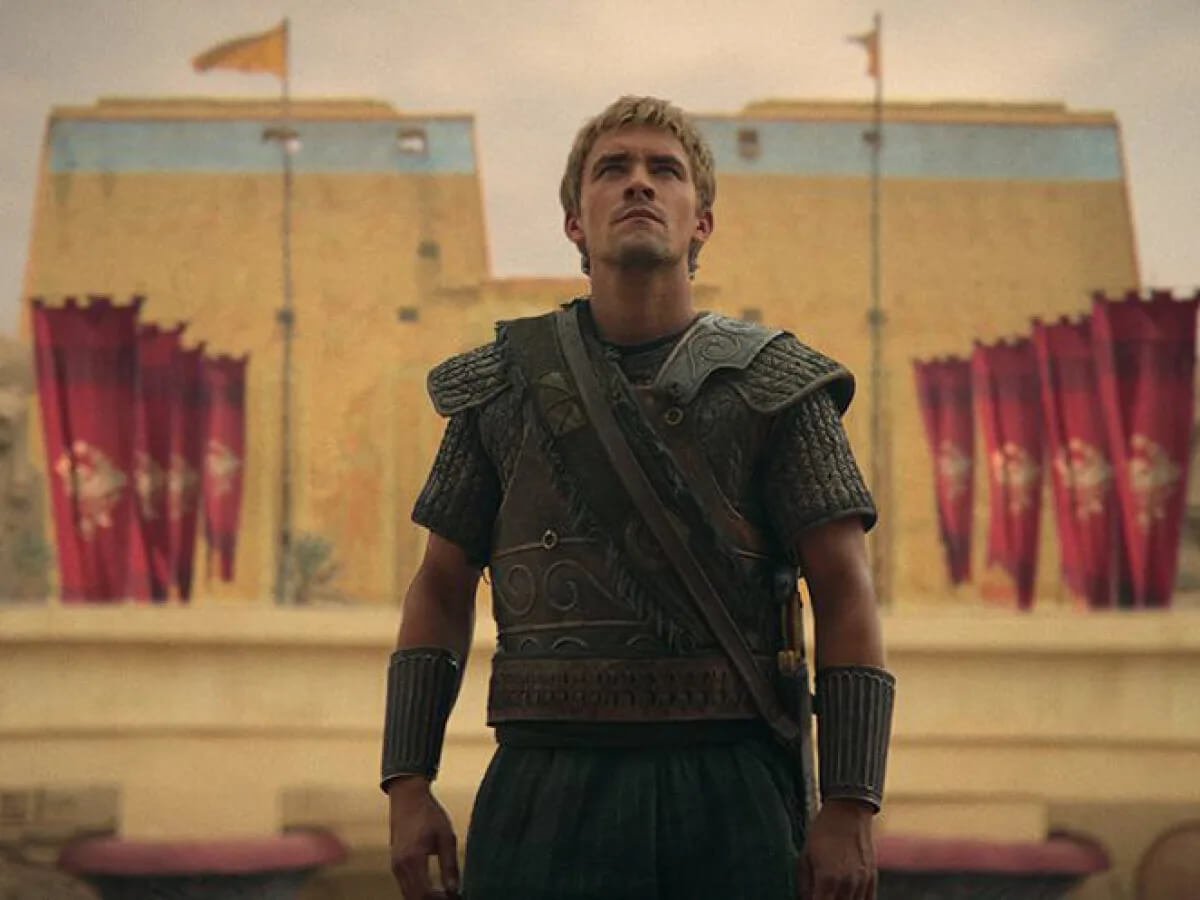
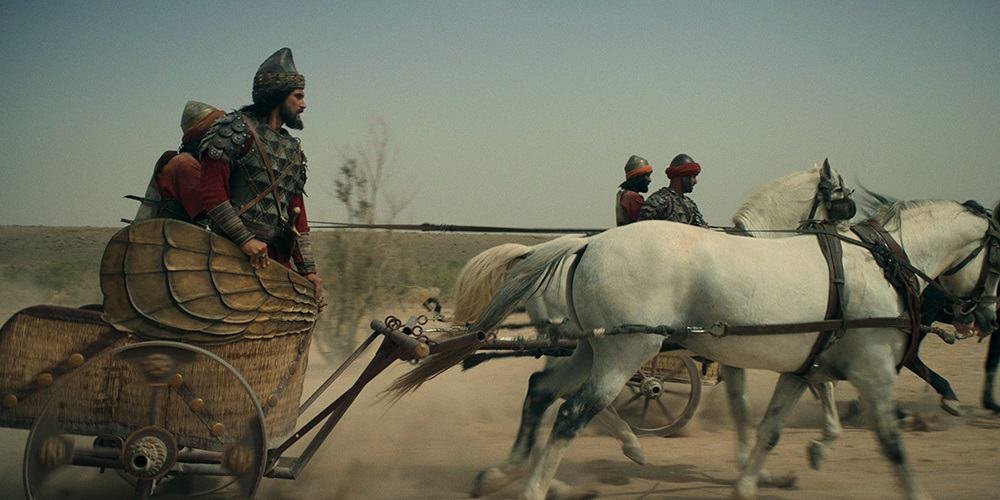
Alexander: The Making of A God – Cr. Courtesy of Netflix © 2024

The Making of a God: Netflix Launches New Docudrama about Alexander The Great

December 19, 2023

In the realm of historical documentaries, few figures have captivated the imagination quite like Alexander the Great. His life and conquests are the stuff of legends, and now Netflix is set to bring his story to life in a new documentary series titled "Alexander: The Making of a God." Scheduled for release on January 31, 2024, this series promises to take viewers on an epic journey through the life of one of history's most iconic figures.

Filmed primarily in Morocco in September 2022, "Alexander: The Making of a God" boasts an impressive cast. Mido Hamada steps into the role of King Darius, while Buck Braithwaite takes on the formidable task of portraying Alexander the Great himself. Tony Mitchell, who is well-known for his work on "The Baxter's" and the lauded "The Bible," produced the six-episode series.

Alexander: The Making of A God – Cr. Courtesy of Netflix © 2024

The premise of the documentary series is tantalizing: "Combining expert interviews with gripping reenactments, this docudrama explores the life of Alexander the Great through his conquest of the Persian Empire." It promises to delve deep into the psyche of this legendary conqueror, shedding light on the man behind the myth.

Alexander the Great, born on July 20 or 21, 356 B.C., in Pella, the ancient Greek kingdom of Macedonia, left an indelible mark on history. During his reign from 336 to 323 B.C., he achieved remarkable feats. He united the Greek city-states, a task previously thought impossible, and led the Corinthian League, forging a powerful alliance.
His conquests didn't stop there. Alexander went on to become the king of Persia, Babylon, and Asia, extending Macedonian influence across vast territories. His legacy even includes the establishment of Macedonian colonies in these regions. The audacious young king dreamed of conquests that would reach as far as Carthage and Rome, but alas, his journey was cut short.

Alexander: The Making of A God – Cr. Courtesy of Netflix © 2024

Tragically, Alexander succumbed to malaria in Babylon on June 13, 323 B.C. His untimely death marked the end of an era and left an empire in the hands of ambitious generals.

Alexander's early years were distinctive due to his upbringing in the royal court of Pella. His parents, King Philip II of Macedon and Queen Olympia, daughter of King Neoptolemus, provided a regal backdrop for his childhood. It was here that Alexander received his earliest education under the tutelage of his relative, Leonidas of Epirus. However, controlling the restless and headstrong prince proved to be a daunting challenge for Leonidas.

Alexander's thirst for knowledge and adventure led him to his next tutor, Lysimachus, who employed innovative role-playing techniques to engage his young charge. Notably, the young prince was enamored with the legendary warrior Achilles, a fascination that would influence his future.

In conclusion, "Alexander: The Making of a God" promises to be a riveting exploration of one of history's most extraordinary individuals. We eagerly anticipate the release of this series, which has the potential to offer fresh insights into the life and times of Alexander the Great. It is an opportunity for both enthusiasts and newcomers to delve into the rich tapestry of Hellenic history and the enduring legacy of a man who became a legend in his own time. So, mark your calendars for January 31, 2024, and prepare to embark on a captivating journey through the life and conquests of Alexander the Great.

12 Most Incredible Ancient Artifacts Finds

December 18, 2023

Ancient artifacts can provide valuable insights into history, even the smallest artifacts can offer significant information. The first discovery is a miniature Bible found in the archives of a library in Leeds, England, containing both the Old and New Testaments in full, despite being just 2 inches tall.

The second discovery is the revival of the ancient Italian tradition of selling wine and other goods through special hatches known as wine windows, which first became popular during the Italian plague of 1629 to 1631 and regained popularity during the pandemic.

The third discovery is a sword found by archaeologists in County Firmina, Northern Ireland, initially thought to be a leftover from a 16th-century battle, but later found to be a relic of the Bronze Age, dating back 2700 years.

The fourth artifact is an ancient Inca object known as a pcha, a foot plow used to mark the beginning of the annual agricultural cycle, and symbolically irrigate and inseminate the ground.

The fifth discovery is a twisted string found in Oetzi the Iceman's quiver, made of animal fibers, confirmed to be a bowstring, offering new insights into his hunting practices.

← Newer Posts Older Posts →
Featured
image_2026-05-15_160951429.png
May 15, 2026
The Viking Hoards of Gotland: The Wealth of the Baltic Sea
May 15, 2026
Read More →
May 15, 2026
image_2026-05-15_160824048.png
May 15, 2026
Ancient Egyptian Canopic Jars: The Science of Organ Preservation
May 15, 2026
Read More →
May 15, 2026
image_2026-05-15_160729796.png
May 15, 2026
The Library of Ashurbanipal: The First Systematically Organized Collection
May 15, 2026
Read More →
May 15, 2026
image_2026-05-15_160702824.png
May 15, 2026
Roman Pottery: The Mass Production of Terra Sigillata
May 15, 2026
Read More →
May 15, 2026
image_2026-05-15_161100251.png
May 15, 2026
The Viking King Gorm the Old: The Jelling Stones and Danish Identity
May 15, 2026
Read More →
May 15, 2026
image_2026-05-15_160305875.png
May 15, 2026
Ancient Maya Astronomy: The Alignment of the Caracol at Chichen Itza
May 15, 2026
Read More →
May 15, 2026
read more

Powered by The archaeologist