• MAIN PAGE
  • LATEST NEWS
    • Lost Cities
    • Archaeology's Greatest Finds
    • Underwater Discoveries
    • Greatest Inventions
    • Studies
    • Blog
  • PHILOSOPHY
  • HISTORY
  • RELIGIONS
    • Africa
    • Anatolia
    • Arabian Peninsula
    • Balkan Region
    • China - East Asia
    • Europe
    • Eurasian Steppe
    • Levant
    • Mesopotamia
    • Oceania - SE Asia
    • Pre-Columbian Civilizations of America
    • Iranian Plateau - Central Asia
    • Indus Valley - South Asia
    • Japan
    • The Archaeologist Editor Group
    • Scientific Studies
    • Aegean Prehistory
    • Historical Period
    • Byzantine Middle Ages
    • Predynastic Period
    • Dynastic Period
    • Greco-Roman Egypt
  • Rome
  • PALEONTOLOGY
  • About us
Menu

The Archaeologist

  • MAIN PAGE
  • LATEST NEWS
  • DISCOVERIES
    • Lost Cities
    • Archaeology's Greatest Finds
    • Underwater Discoveries
    • Greatest Inventions
    • Studies
    • Blog
  • PHILOSOPHY
  • HISTORY
  • RELIGIONS
  • World Civilizations
    • Africa
    • Anatolia
    • Arabian Peninsula
    • Balkan Region
    • China - East Asia
    • Europe
    • Eurasian Steppe
    • Levant
    • Mesopotamia
    • Oceania - SE Asia
    • Pre-Columbian Civilizations of America
    • Iranian Plateau - Central Asia
    • Indus Valley - South Asia
    • Japan
    • The Archaeologist Editor Group
    • Scientific Studies
  • GREECE
    • Aegean Prehistory
    • Historical Period
    • Byzantine Middle Ages
  • Egypt
    • Predynastic Period
    • Dynastic Period
    • Greco-Roman Egypt
  • Rome
  • PALEONTOLOGY
  • About us
No results found

Stones, predominantly the size of tennis and soccer balls, extend for nearly one kilometer under the Baltic Sea, as shown in this digital model, based on 3D scanning data. Credit: Michał Grabowski

Enigmatic Stone Wall of the Baltic Sea Revealed by Underwater Drone

February 17, 2024

In the depths of the Baltic Sea, where murky waters conceal mysteries of the past, lies a remarkable discovery that sheds light on the early hunting techniques of European ancestors. Amidst the tranquil seabed, scientists conducting a routine mineral survey stumbled upon an unexpected treasure: an ancient stone wall stretching nearly a kilometer in length. This remarkable find not only captivates the imagination but also unravels a narrative of human ingenuity dating back over 11,000 years.

Utilizing state-of-the-art acoustic imaging technology, researchers revealed the submerged structure, constructed of over 1,500 stones, each akin to the size of tennis or soccer balls. Positioned with meticulous precision, these stones form a barrier that defies natural explanation, hinting at a deliberate human endeavor rather than a random geological formation.

Pioneering investigations suggest that this Stone Age marvel served a practical purpose—facilitating reindeer hunting. As the last ice age waned and the Baltic Sea landscape evolved, early hunter-gatherer communities likely devised ingenious strategies to secure sustenance. The stone wall, strategically positioned at the base of Mecklenburg Bight, acted as a natural trap, channeling migrating reindeer towards awaiting hunters. This revelation not only unveils the resourcefulness of our ancestors but also offers invaluable insights into their subsistence patterns and societal organization.

The study area in the Baltic Sea. Location and relative ages of submerged archaeological sites are taken from http://www.splashcos.org. (A) Overview map of the Western Baltic Sea. Bathymetric data were taken from the Global Multi-Resolution Topography (GMRT) synthesis (3). (B) Detailed structure of the Bay of Mecklenburg including the location of the Blinkerwall. Bathymetric data from The Federal Maritime and Hydrographic Agency Bundesamt für Seeschifffahrt und Hydrographie (BSH). Credit: Proceedings of the National Academy of Sciences (2024). DOI: 10.1073/pnas.2312008121

Marcel Bradtmöller from the University of Rostock elucidates, "At this time, the entire population across northern Europe was likely below 5,000 people. One of their main food sources were herds of reindeer, which migrated seasonally through the sparsely vegetated post-glacial landscape. The wall was probably used to guide the reindeer into a bottleneck between the adjacent lakeshore and the wall, or even into the lake, where the Stone Age hunters could kill them more easily with their weapons."

Furthermore, the discovery challenges existing notions of prehistoric Baltic Sea civilizations. While numerous well-preserved archaeological sites from later periods have been unearthed along the coastline, the submerged stone wall represents a unique testament to ancient ingenuity, predating other known structures by millennia.

However, mysteries still surround this underwater marvel. Despite meticulous research, the exact purpose and construction methods of the stone wall remain subjects of speculation. The quest for knowledge persists as scientists endeavor to unravel its enigmatic origins through advanced dating techniques and landscape reconstructions.

3D model of a section of the Blinkerwall adjacent to the large boulder at the western end of the wall. Credit: Philipp Hoy, Rostock University, Agisoft Metashape by J. Auer, LAKD M-V. 

The significance of this discovery extends beyond mere academic curiosity. It offers a tantalizing glimpse into the lives of our distant ancestors, their intimate relationship with nature, and their profound ability to adapt and innovate in the face of environmental challenges. As exploration continues, the submerged stone wall of the Baltic Sea stands as a testament to the enduring quest for understanding our shared human heritage.

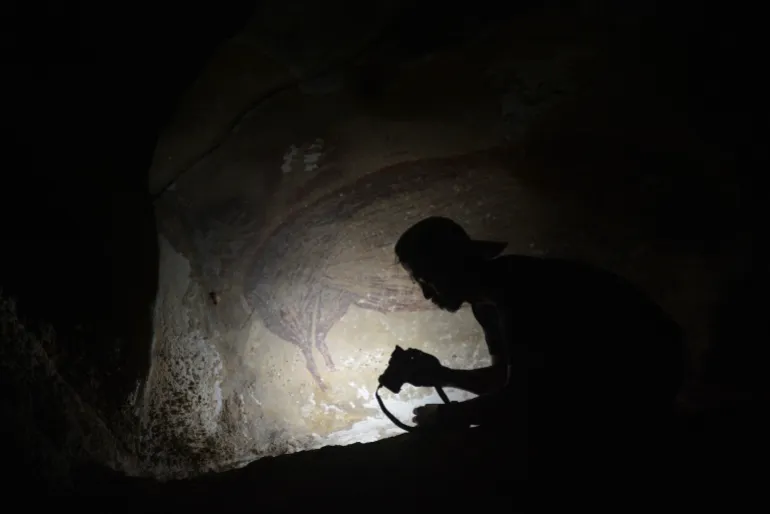
The long extinct dwarf deer was depicted in the cave drawings

Ancient cave art dating back 11,000 years has been discovered on the island of Crete in Greece.

February 16, 2024

The discovery of ancient cave art on Crete, believed to be at least 11,000 years old, sheds light on the island's prehistoric past. Found in Asphendou Cave near the village of Asphendou in Sfakia province, the artwork depicts extinct animals from the last Ice Age.

Asphendou Cave, a small rock shelter perched on a hillside at the beginning of the Asphendou canyon, houses these remarkable carvings. Access to the cave is limited, requiring permission from a local resident who holds the key to its locked door.

Dr. Thomas Strasser of Providence College, Rhode Island, described the significance of this discovery in the Journal of Archaeological Science, noting its contribution to the understanding of Greece's art history. Advanced archaeological techniques and paleontological evidence confirm the Paleolithic origins of the carvings, offering a glimpse into Ice Age Crete.

Initial confusion surrounding the petroglyphs in the cave arose from layers of engravings superimposed on one another. Recent analysis revealed depictions of Candiacervus ropalophorus, a species of dwarf deer extinct for over 11,000 years, among the oldest layers. The engravings, representing a Paleolithic animal herd, are characterized by shallow carvings without a background.

Layers of engraving were superimposed on one another

The discovery of these ancient carvings marks a significant milestone in Greek art history, representing the earliest figural art found in Greece. While similar art has been found in Mediterranean islands like Levanzo, Greece had remained devoid of such discoveries until now.

With numerous caves scattered across Crete, each offering unique natural features and historical significance, the island remains a treasure trove for archaeological exploration and scenic appreciation alike.

ANSTO scientists believe the croc had devoured a baby dinosaur shortly before it drowned in a flood (Image: ANSTO)

A 93-million-year-old crocodile fossil was discovered with a baby dinosaur in its stomach.

February 16, 2024

Paleontologists made a remarkable discovery in Queensland, Australia: a 93-million-year-old crocodile fossil containing the remains of a baby dinosaur in its stomach. This ancient beast has been dubbed Confractosuchus Sauroktonos, meaning 'broken crocodile dinosaur killer', by experts. Estimated to have reached a length of about 2.5 meters, this formidable predator likely met its demise in a flood event, leaving behind a fossilized legacy that has intrigued researchers.

The fossil, with approximately 35 percent preservation, offers tantalizing glimpses into the anatomy of this prehistoric reptile. Among the well-preserved features are a near-complete skull and fearsome teeth, providing valuable insights into its predatory nature.

Employing cutting-edge technology such as 3D scans and X-rays, scientists delved deeper into the fossil's mysteries. These advanced imaging techniques revealed intriguing details about the crocodile's last moments, suggesting it met its demise during a significant flood event that subsequently led to its burial and fossilization.

ANSTO scientists used nuclear techniques to shed light on the feeding habits of a 93million-year-old crocodile (Image: ANSTO)

One of the most startling revelations came from the examination of the crocodile's stomach contents. Initial scans unveiled bones resembling those of a chicken-sized juvenile dinosaur, indicating the crocodile's last meal before its untimely demise. However, the exact species of the dinosaur remains a mystery, leaving researchers eager to unlock further secrets hidden within the fossil.

A baby dinosaur was found within the ancient croc's stomach (Image: ANSTO)

Dr. Joseph Bevitt, a co-author of the study, emphasized the crucial role of advanced imaging techniques in uncovering the fossil's secrets. 3D digital scans guided the meticulous preparation of the crocodile specimen, allowing researchers to precisely locate and study its bones. The team's efforts culminated in a groundbreaking discovery: evidence that the crocodile's last meal was indeed a partially digested juvenile dinosaur, shedding new light on ancient predator-prey dynamics and offering invaluable insights into Earth's distant past.

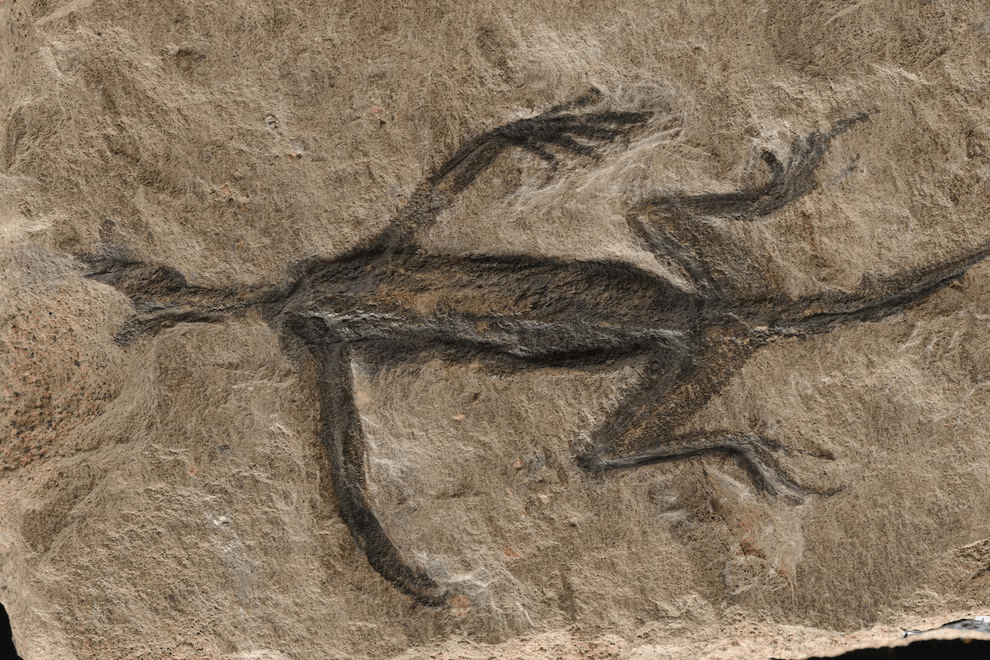
The ‘fossil’ found in the Alps

Archaeologists were surprised by the revelation concerning the true nature of a 280-million-year-old fossil.

February 16, 2024

Archaeologists were left astonished after discovering that a fossil believed to be 280 million years old is, in fact, a fabrication. Initially thought to contain well-preserved soft tissues, the reptile fossil, named Tridentinosaurus antiquus, has been revealed to have its dark body outline artificially created with black paint.

Discovered in the Italian Alps in 1931, the lizard-like creature, measuring approximately 20cm (8in) in length, was thought to offer valuable insights into reptile evolution. Its apparent remarkable preservation, attributed to a fossilisation process called carbonisation, sparked intrigue among researchers.

The fossil's classification within the reptile group Protorosauria, along with the perceived fossilised skin, garnered attention in scientific circles. However, suspicions arose due to the unusual features of the fossil, prompting further investigation.

A team of researchers from Ireland and Italy employed UV photography to examine the fossil, revealing a coating material on its surface. Subsequent microscopic analysis unveiled that the texture and composition did not match genuine soft tissue fossils, leading to the conclusion that the body outline was painted onto the rock surface.

Published in the journal Palaeontology, the findings caution against the fossil's authenticity and call for careful consideration in future research. While the hindlimb bones and femurs appear to be genuine yet poorly preserved, the discovery underscores the importance of thorough examination in paleontological studies.

A Megalithic Stone Plaza, dating back 4,750 years, has been uncovered in the elevated Andes of Peru

February 16, 2024

A remarkable archaeological discovery has emerged from the rugged terrain of the Andes, as two anthropology professors from the University of Wyoming unveil the secrets of a prehistoric plaza nestled high in the mountains. Known as the Callacpuma stone plaza, this ancient site offers a window into the distant past, revealing insights into the lives of nomadic groups who roamed the region nearly 5,000 years ago.

Located within the Callacpuma archaeological site in the Cajamarca Basin of northern Peru, this stone plaza stands as a testament to ancient ingenuity. Constructed with large megalithic stones arranged vertically—an unprecedented technique in the Andes—the plaza served as a ceremonial hub where offerings were made to forgotten deities, all at an elevation surpassing 3,000 meters above sea level.

The project's leaders, Associate Professor Jason Toohey and Professor Melissa Murphy, have spearheaded research efforts since the project's inception in 2015, with excavations commencing in 2018. Their findings, detailed in a publication in the journal Science Advances, shed new light on the origins of this enigmatic structure.

Radiocarbon dating places the construction of the plaza around 4,750 years ago, during the Late Preceramic Period, positioning it as one of the earliest examples of monumental architecture in the Americas. Comprising two concentric circles, each measuring 18 meters in diameter, the plaza served as a focal point for social and ceremonial activities during a pivotal period of transition in South America.

Remarkably, the plaza predates iconic landmarks such as the Great Pyramids of Egypt and Stonehenge, underscoring its significance in the annals of ancient architecture. Its construction coincided with the emergence of trade networks linking coastal fishing communities with inland agricultural societies, marking a transformative era in Andean history.

Archaeological excavations have revealed a trove of artifacts, including lapis lazuli gems, quartz crystals, and ceramic vessels, attesting to the site's enduring importance over millennia. Evidence suggests that the plaza remained in use until the Layzón period (500–200 BC), when it was ceremoniously sealed, signaling a shift in belief systems among semi-nomadic peoples.

Led by Toohey and Patricia Chirinos Ogata from the University of California-Santa Barbara, the research team collaborates closely with local communities to preserve and interpret the cultural heritage of the Callacpuma site. Through ongoing scientific investigations and community outreach efforts, the team strives to unlock the mysteries of Peru's ancient past while fostering appreciation for its rich cultural legacy.

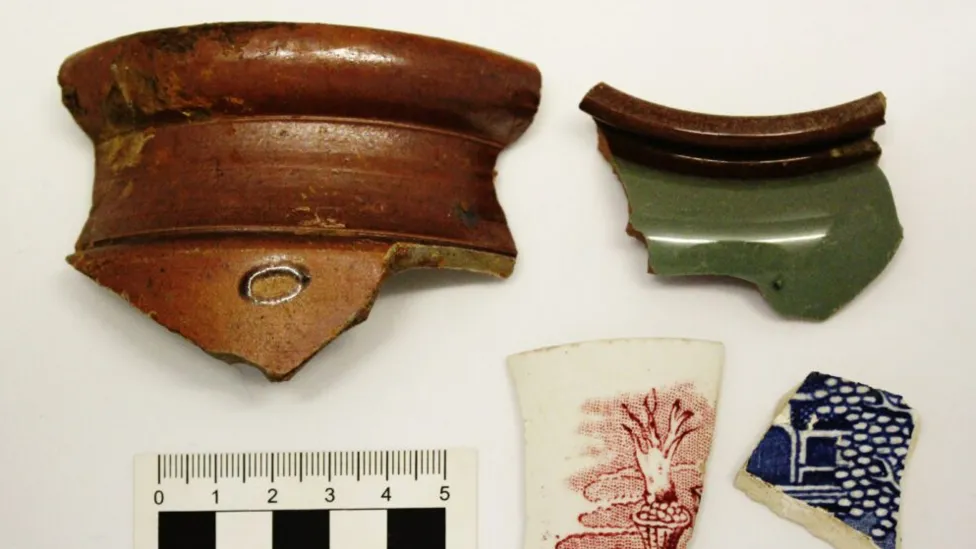
Experts will explore the Bourne settlement and stream in Eastbourne later this month

Exploring Eastbourne's Ancient Settlement: Archaeological Excavation Dig

February 16, 2024

An upcoming archaeological excavation dig is set to commence in the coastal town of Eastbourne, located in East Sussex. Scheduled to begin later this month, experts are gearing up to investigate the Bourne settlement and its associated stream.

The primary objective of this dig is to delve into the historical development of the downland settlement, tracing its evolution from a modest farming community to a bustling urban center. According to a spokesperson, the excavation aims to uncover the layers of history that have shaped the town over the centuries.

A dedicated team of archaeologists will focus their efforts on excavating test pits in strategic locations, including Manor Gardens and the parsonage of St Mary's church. These test pits are anticipated to reveal insights into the presence of buildings, gardens, and wells dating as far back as the 13th century, with some remnants persisting until the mid-18th century.

The Big Dig team harbors hopes that these excavations will yield clues about the existence and layout of historical structures and utilities that once dotted the landscape.

Councillor Margaret Bannister, representing Eastbourne Borough Council, expressed enthusiasm for the project, highlighting its significance in unraveling the town's rich heritage. She eagerly anticipates the discoveries that will emerge from the archaeological endeavor.

The excavation is scheduled to take place from February 26th to March 2nd, offering a brief yet promising window into Eastbourne's ancient past.

The mystery surrounding a Bronze Age shipwreck has finally been solved.

February 16, 2024

The mystery surrounding a Bronze Age shipwreck off the coast of Turkey has been unraveled, shedding light on the curious absence of structural remains or wood fragments typically associated with such discoveries. Instead, the wreckage consists solely of copper bars strewn across the seabed, offering clues to the vessel's ill-fated journey.

Underwater surveys conducted by the Nicolaus Copernicus University in Toruń reveal that the ship, believed to have been departing from the Bay of Antalya into the open sea, met a tragic end, likely colliding with rocks and sinking swiftly. As a result, the heavy cargo of copper bars spilled along a submerged slope, scattering at various depths.

Some bars lie at a depth of 35 meters, while others are situated deeper at 50 meters, hinting at the extent of the vessel's dispersal. However, the dive team speculates that additional cargo may be located at even greater depths.

The discovery thus far includes 30 copper bars, intended for bronze production, along with fragments of bronze vessels. The absence of physical evidence of the ship itself is attributed to the voracious appetite of the ship borer, which rapidly consumes any exposed wooden components in saltwater environments.

Remarkably, this vessel is believed to be the oldest known example of transporting copper bars, with preliminary dating placing its origins around 1500 BC. This revelation provides valuable insights into ancient maritime trade routes and the significance of copper in Bronze Age commerce.

2,100 Year Old Human Clay Head Found In Siberia Has 'Impossible' Contents Inside

February 16, 2024

In a recent discovery that has baffled experts, a clay head dating back 2,100 years has been unearthed in Siberia, stirring speculation and intrigue. Since its discovery by Russian archaeologists in 1968 at the Shestakovsky burial mound in Khakassia, this enigmatic artifact has remained a source of mystery and fascination.

The clay death mask, recovered by Professor Anatoly Martynov and his team, has puzzled researchers with its morbid allure and unanswered questions. Who was the face molded after? Where is the remainder of the burial site? Most unsettling of all, what secrets lie hidden within the hardened clay shell?

After decades of speculation and uncertainty, experts have finally uncovered the truth about the contents of this mysterious artifact. However, the revelation is far from what they had anticipated, adding another layer of intrigue to this captivating archaeological puzzle.

Secrets of the Voynich Manuscript

February 16, 2024

In this intriguing video, we delve into the enigmatic world of the Voynich Manuscript, often hailed as the most mysterious book in history. Dating back to the fifteenth century, this fascinating text is adorned with bizarre illustrations depicting alien-like plants and miniature figures engaged in unfamiliar activities.

What sets the Voynich Manuscript apart is not just its peculiar imagery but also its cryptic language, written in a script that defies decipherment. Despite centuries of study by scholars, emperors, and book dealers, the manuscript's code remains uncracked, shrouding its contents in secrecy.

Join me as we unravel the mysteries surrounding the Voynich Manuscript, tracing its intriguing history through the hands of various custodians. From its origins to its connections with early medical textbooks, we'll explore the tantalizing clues embedded within its pages.

Delving into the realm of linguistic speculation, we'll encounter a myriad of theories regarding the manuscript's language, ranging from conventional languages like Hebrew or Latin to speculative constructed languages.

While there's much left unexplored within the depths of the Voynich Manuscript, I aim to provide a comprehensive introduction to this enduring enigma—one that continues to captivate and confound scholars and enthusiasts alike.

Time-Slip Artifacts: Modern Objects in the Ancient World

February 16, 2024

The narrative of human history is intricately woven with the thread of technological advancement. From the earliest innovations like fire and the wheel to the complexities of modern space travel, our story is one of continuous innovation and progress.

Throughout this journey, empires rise and fall, civilizations flourish and fade, yet the human spirit of innovation endures. Each advancement builds upon the foundations laid by our ancestors, creating a linear and orderly progression of technology.

However, there are moments when our understanding of history is challenged by objects that seem out of place and time. Discoveries like a computer on a sunken Roman ship, a power plant in a cave dating back thousands of years, or evidence of a nuclear reactor from ancient times defy conventional explanations.

These anomalies raise profound questions about the nature of human progress and the possibility of civilizations predating our own. If these objects were not created by humans, then who or what could have been responsible for their existence?

These mysteries compel us to reconsider our understanding of history and the potential for civilizations far more advanced than previously imagined. They invite us to explore the depths of human ingenuity and the vastness of possibilities that lie beyond the confines of our current knowledge. In doing so, they challenge us to expand our perspectives and embrace the enigmatic complexities of our shared human story.

12 Most Incredible Ancient Technologies Scientists Still Can't Explain

February 16, 2024

If you've ever thought of our ancient ancestors as primitive, it's time to reconsider. The civilizations that thrived on this planet thousands of years ago were remarkably similar to us in many ways—they simply operated within different cultural contexts and with different technological advancements. However, don't be quick to underestimate their capabilities; in fact, their technological prowess might have been more advanced than commonly perceived.

Dive into this captivating video showcasing incredible examples of ancient technology that defy conventional wisdom. From ingenious engineering feats to groundbreaking innovations, these discoveries offer compelling evidence of the sophistication and ingenuity of ancient civilizations. Prepare to be amazed as you witness a glimpse of the remarkable achievements of our predecessors, challenging our perceptions of history and pushing the boundaries of what we thought possible.

1000 Year Old ILLEGAL Book Found in Turkey Revealed UNKNOWN Truth About Our Existence!

February 16, 2024

In this intriguing video, we delve into a fascinating discovery that sheds new light on the historical narrative of the Bible. While many have contended that the Bible is an incomplete work, lost to the ravages of time and conflict, recent revelations from desert caves in Turkey challenge this notion. Emerging from the sands are fragments of a Biblical scroll, offering a tantalizing glimpse into forgotten yet impactful texts, hinting at messages of profound significance.

Join us as we embark on a journey to unravel the mysteries of this 1000-year-old book unearthed in Turkey. Archaeologists and scholars alike are hailing it as a literary gem, the earliest and most comprehensive of its kind. Its origins dating back to the late 9th or early 10th century underscore its enduring relevance in the annals of history. What's more, compelling scientific and excavatory evidence bolster the authenticity of its narratives, adding credence to its significance.

What truly sets this discovery apart is the manner in which the gospel text is revealed—etched upon the papyrus of an ancient mummy mask, imbuing the find with an air of mystique and intrigue. Prepare to be captivated as we delve into the depths of this ancient manuscript and explore the chilling messages it holds within its weathered pages.

12 Most Abandoned Ancient Technologies That Really Exist

February 15, 2024

When delving into the distant past, distinguishing between myths and facts can be quite challenging. With no living witnesses to attest to the actions of our ancestors hundreds or thousands of years ago, understanding their motivations and methods becomes a matter of speculation. Indeed, we cannot definitively ascertain how or why they achieved the remarkable technological feats showcased in this video. However, that doesn't mean we can't engage in informed speculation and enjoy pondering the possibilities. So, let's embark on this journey of imagination and have some fun guessing!

A number of pieces of pottery discovered at the site

Ancient artifacts dating back to 10,000 BC discovered during road construction project

February 15, 2024

Archaeologists working on a major road project in Leicestershire have uncovered historical artifacts dating back 12,000 years. Among these finds are flint instruments from the Mesolithic Period (10,000-4,000BC), providing new insights into the land near Melton Mowbray. The project, known as the North and East Melton Mowbray Distributor Road, initiated in May 2023 with the aim of alleviating traffic congestion in the area. Led by Archaeological Research Services, excavations have unearthed significant discoveries, particularly near the River Eye tributaries.

Flint instruments were discovered at the site of the North and East Melton Mowbray Distributor Road


These findings suggest that the area was inhabited by hunter-gatherer communities during the Mesolithic Period, evidenced by the presence of flint artifacts associated with hunting activities. Additionally, evidence of Iron Age farming practices, including pottery, animal bones, and an extensive enclosure system, has been found. Roman artifacts, including a potential vineyard site, further illustrate the agricultural history of the region. The excavation work continues to yield noteworthy results, highlighting the area's evolution from ancient times to modern agricultural landscapes. The road project, managed by Leicestershire County Council and Galliford Try, is one of the largest infrastructure endeavors in the region, with construction ongoing since May 2023.

12 Most Mysterious Finds That Really Exist

February 14, 2024

Raise your hands if you're captivated by ancient mysteries! We see numerous hands up, so we're excited to present this video filled with antiquated enigmas, age-old riddles, and unsolved conundrums that have endured through the ages without being fully deciphered. This video serves as a gentle reminder that our past is often a mysterious land, one that we can only explore through the interpretations and findings of historians and archaeologists.

BANNED Book From The Bible Revealed SHOCKING Secrets About Our Past, Present & Future

February 14, 2024

Centuries before the Christian era, the Jews highly valued certain sacred writings. However, when compiling the Bible, some of these writings were overlooked. Surprisingly, fragments of the book of Ezra have been discovered, revealing unsettling messages that are not included in the Bible.

What terrifying message is contained in these books? Join us as we explore the book of Ezra that was banned from the Bible. The Evolution of the Book of Ezra The ancient and sacred Book of Ezra, placed as the fifteenth gem in the respected Old Testament, plays a key role in the Hebrew Bible, which is carefully divided into three sections: the Law, Prophets, and Writings. The Law, a foundational cornerstone, comprises the initial five books of Old Testament books.

The Prophets, a powerful eight-book collection, is further divided into the Former Prophets and the Latter Prophets. Lastly, the Writings, a mosaic of religious poetry and wisdom literature, contains Psalms, Proverbs, Job, and the books of Daniel, Ezra, Nehemiah, and Chronicles.

AI Reveals Text In Ancient Greek Scroll Destroyed in Vesuvius Eruption

February 14, 2024

In this captivating video, we delve into the remarkable feat known as the Vesuvius Challenge, a pioneering endeavor that marries the marvels of artificial intelligence with the mysteries of ancient history. Witness as AI triumphs in deciphering text from ancient scrolls entombed by the cataclysmic eruption of Mount Vesuvius in 79 AD.

Embark on a journey where cutting-edge technology meets the echoes of the past, as we explore how AI algorithms and machine learning algorithms breathe new life into the charred remnants of these ancient manuscripts. Through this groundbreaking fusion of disciplines, the Vesuvius Challenge unveils a treasure trove of insights into the customs, beliefs, and intellectual pursuits of bygone civilizations.

Join us as we unravel the secrets hidden within the delicate folds of parchment, revealing the untold stories and wisdom preserved for centuries beneath layers of volcanic ash. Experience the excitement of interdisciplinary collaboration as historians, archaeologists, and AI experts converge to unlock the mysteries of the Villa of the Papyri in Herculaneum.

From the ashes of Vesuvius arises a beacon of innovation, illuminating the path to a deeper understanding of our shared human heritage. Through the lens of the Vesuvius Challenge, we glimpse the transformative power of AI to reshape our exploration of history and propel us into a future where the past is brought vividly to life.

Impossible Geometry Discovered on Google Earth

February 14, 2024

Curious about the path of the October 2023 solar eclipse, ThePOVchannel embarked on a virtual exploration using Google Earth. What started as a casual investigation took an unexpected turn, leading them to seemingly impossible geometric shapes and hints of an ancient civilization intertwined with them.

Driven by both bafflement and burning curiosity, ThePOVchannel embarked on a physical journey to a remote cliff overlooking these perplexing anomalies. As they ventured closer, the anomalies defied explanation, with one element pushing the boundaries of reality even further.

Now faced with these mind-bending discoveries, ThePOVchannel is left grappling with profound questions. Do these point to intelligent design, a freak occurrence of geology, or something even more mind-blowing? Could we be living in a hyper-realistic video game? Their Google Earth odyssey has transformed into an existential exploration, leaving them and their viewers searching for answers that may not exist.

The REAL Origin of the 12 Tribes of Israel

February 14, 2024

Embark on a mesmerizing journey with us as we unravel the historical origin of the 12 tribes of Israel according to secular academia, as opposed to the origin described in the Bible. The video explains that the characters in Genesis and Exodus are viewed as more mythological or legendary than historical, leading to questions about the origin of the 12 tribes of Israel.

The video suggests that the Bible was written by Iron Age city dwellers, not Bronze Age goat herders as commonly believed, and that the difference between these periods is important for understanding the history of the ancient Near East and how the Bible fits into it. The video compares the biblical timeline to the secular account of history, which dates the Earth to around 4.5 billion years ago and the emergence of Homo sapiens to around 200,000 years ago.

The video explains that the Bronze Age collapse, which occurred around 1200 BC, was a significant event that is not mentioned in the Bible but had a profound impact on the ancient Near East. The collapse led to the decline of every major civilization in the region, including the Egyptians and Greeks, and caused people to think about history in terms of before and after the event.

Nan Madol: The Megalithic Island City of the Pacific

February 14, 2024

Embark on a mesmerizing journey with us as we unravel the captivating secrets of Nan Madol: The Megalithic Island City of the Pacific. Immerse yourself in the rich tapestry of history and legend as we traverse the enigmatic ruins of this extraordinary marvel. From its intricate architecture to its profound cultural significance, we delve deep into the heart of Nan Madol, piecing together the puzzle of its past and marveling at the ingenuity of its builders. Join us as we unlock the mysteries that lie within this ancient sanctuary, where the echoes of a bygone era still resonate, beckoning us to explore, discover, and cherish the wonders of this remarkable civilization.

← Newer Posts Older Posts →
Featured
image_2026-06-22_223748063.png
June 24, 2026
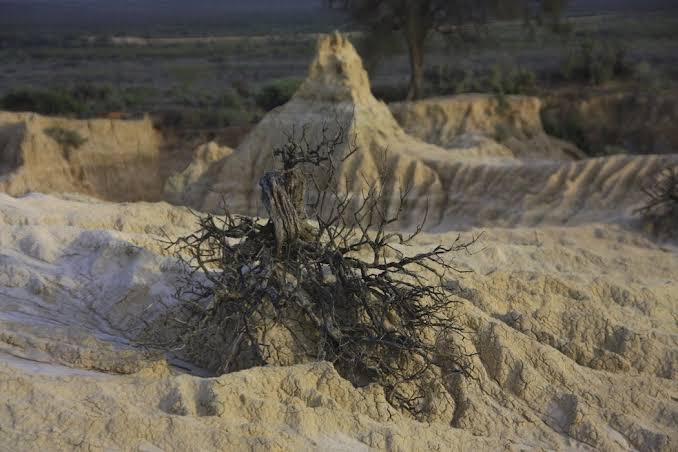
Lake Mungo: Australia's 42,000-Year Cremation Rites
June 24, 2026
Read more →
June 24, 2026
image_2026-06-22_223711115.png
June 24, 2026
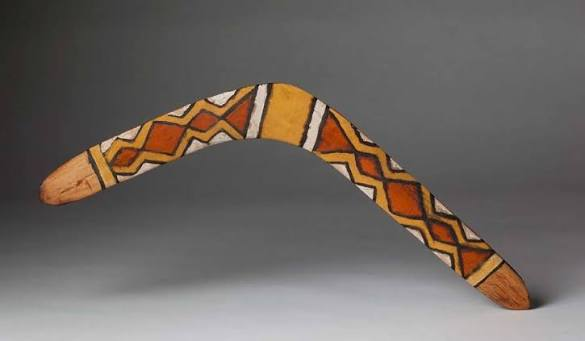
Wyrie Swamp: Australia's 20,000-Year Boomerangs
June 24, 2026
Read more →
June 24, 2026
image_2026-06-22_223638840.png
June 24, 2026
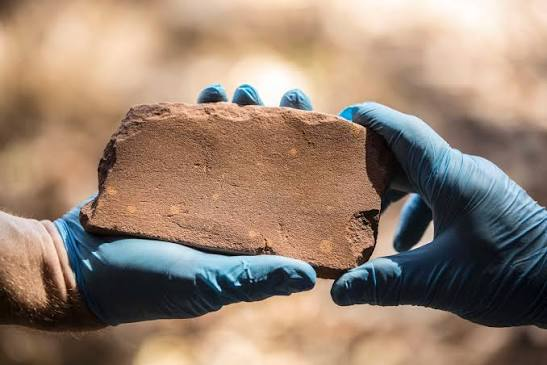
Madjedbebe: World's Oldest Ochre Processing Site
June 24, 2026
Read more →
June 24, 2026
image_2026-06-22_223602824.png
June 24, 2026
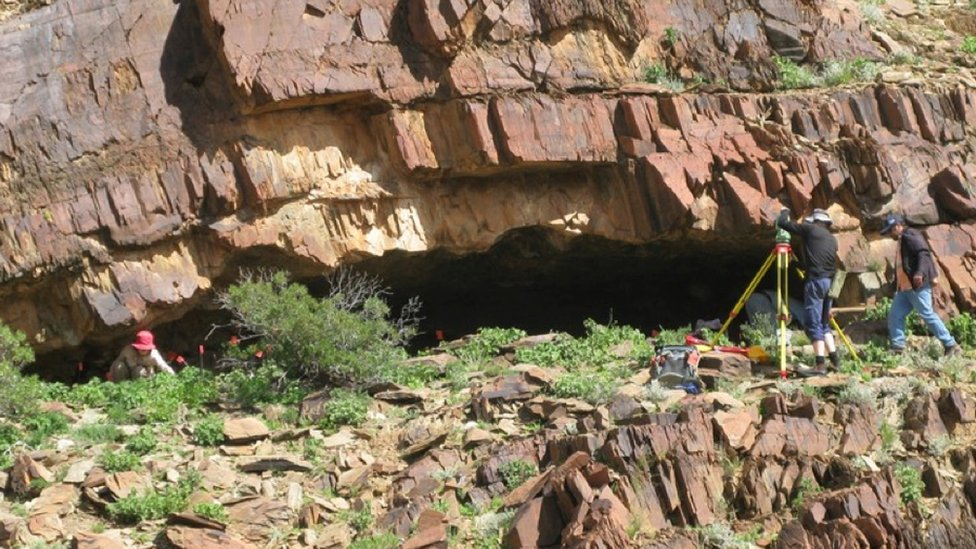
Nauwalabila: Australia's 50,000-Year Stone Tools
June 24, 2026
Read more →
June 24, 2026
image_2026-06-22_223518130.png
June 24, 2026
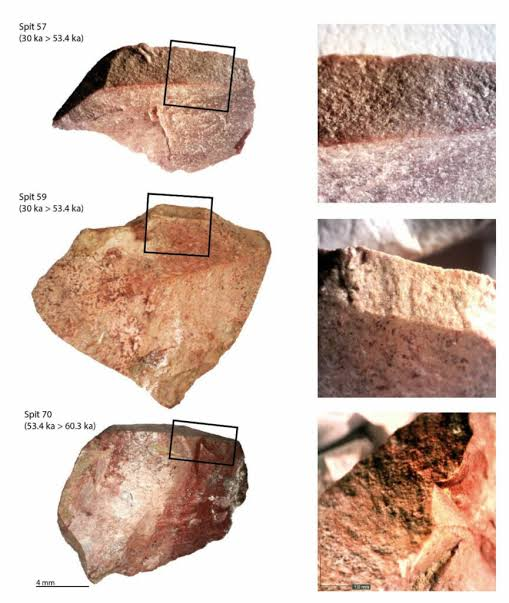
Devil's Lair: Australia's 48,000-Year Ochre Use
June 24, 2026
Read more →
June 24, 2026
image_2026-06-22_223408714.png
June 24, 2026
Laili Cave: East Timor's 44,000-Year Colonizers
June 24, 2026
Read more →
June 24, 2026
read more

Powered by The archaeologist