• MAIN PAGE
  • LATEST NEWS
    • Lost Cities
    • Archaeology's Greatest Finds
    • Underwater Discoveries
    • Greatest Inventions
    • Studies
    • Blog
  • PHILOSOPHY
  • HISTORY
  • RELIGIONS
    • Africa
    • Anatolia
    • Arabian Peninsula
    • Balkan Region
    • China - East Asia
    • Europe
    • Eurasian Steppe
    • Levant
    • Mesopotamia
    • Oceania - SE Asia
    • Pre-Columbian Civilizations of America
    • Iranian Plateau - Central Asia
    • Indus Valley - South Asia
    • Japan
    • The Archaeologist Editor Group
    • Scientific Studies
    • Aegean Prehistory
    • Historical Period
    • Byzantine Middle Ages
    • Predynastic Period
    • Dynastic Period
    • Greco-Roman Egypt
  • Rome
  • PALEONTOLOGY
  • About us
Menu

The Archaeologist

  • MAIN PAGE
  • LATEST NEWS
  • DISCOVERIES
    • Lost Cities
    • Archaeology's Greatest Finds
    • Underwater Discoveries
    • Greatest Inventions
    • Studies
    • Blog
  • PHILOSOPHY
  • HISTORY
  • RELIGIONS
  • World Civilizations
    • Africa
    • Anatolia
    • Arabian Peninsula
    • Balkan Region
    • China - East Asia
    • Europe
    • Eurasian Steppe
    • Levant
    • Mesopotamia
    • Oceania - SE Asia
    • Pre-Columbian Civilizations of America
    • Iranian Plateau - Central Asia
    • Indus Valley - South Asia
    • Japan
    • The Archaeologist Editor Group
    • Scientific Studies
  • GREECE
    • Aegean Prehistory
    • Historical Period
    • Byzantine Middle Ages
  • Egypt
    • Predynastic Period
    • Dynastic Period
    • Greco-Roman Egypt
  • Rome
  • PALEONTOLOGY
  • About us
No results found

Youtuber Climbed To A Hidden Ancient Ruin and Found Something Strange

February 23, 2024

In a captivating video by Desert Drifter, we join Andrew as he embarks on a three-day backpacking adventure into a remote wilderness area. His mission? To find water at the confluence of two canyons. However, after trekking almost a mile, Andrew is disheartened by the absence of water. Undeterred, he consults his map and follows the sound of birds chirping, leading him to a shaded oasis where water awaits.

As Andrew scouts the area, he finds the perfect spot to set up camp, surrounded by nature's tranquil beauty. For dinner, he treats himself to a delicious Thai chicken peanut curry, cooked over an open flame. Amidst the serene backdrop, Andrew reflects on the joy of solitude, reveling in the present moment and immersing himself fully in the sights, sounds, and smells of the wilderness.

The following morning, Andrew sets out on another adventure, drawn to an intriguing area that catches his eye. To his delight, he discovers a grainery nestled amidst the rugged landscape. Eager to explore further, he climbs up for a closer look, marveling at the ancient structure and imagining the lives of those who once inhabited this remote corner of the world.

Through Andrew's journey, we are reminded of the profound connection between humanity and nature, and the transformative power of solitude in fostering self-discovery and appreciation for the world around us. As he continues to wander, we eagerly anticipate the next chapter of his wilderness exploration, eagerly awaiting the moments of awe and wonder that lie ahead.


Top 5 Sharpest Katana in History / History of Japanese Swords

February 23, 2024

In this video, we delve into the world of Japanese swords, renowned globally for their unparalleled sharpness. Among these legendary weapons, there exist several notable swords celebrated for their exceptional cutting edge. Join us as we unveil the top 5 sharpest swords in history, exploring their craftsmanship, history, and enduring legacy.

Demolition Crew Discovers Historic Relic In House

February 23, 2024

Embarking on a renovation project can often unveil unexpected surprises, and for one demolition team, this notion couldn't be more true. As they began to dismantle an old house, it became evident that this endeavor was anything but ordinary. What lay hidden within the walls promised to unravel a tale far more intriguing than anything the workers had encountered before.

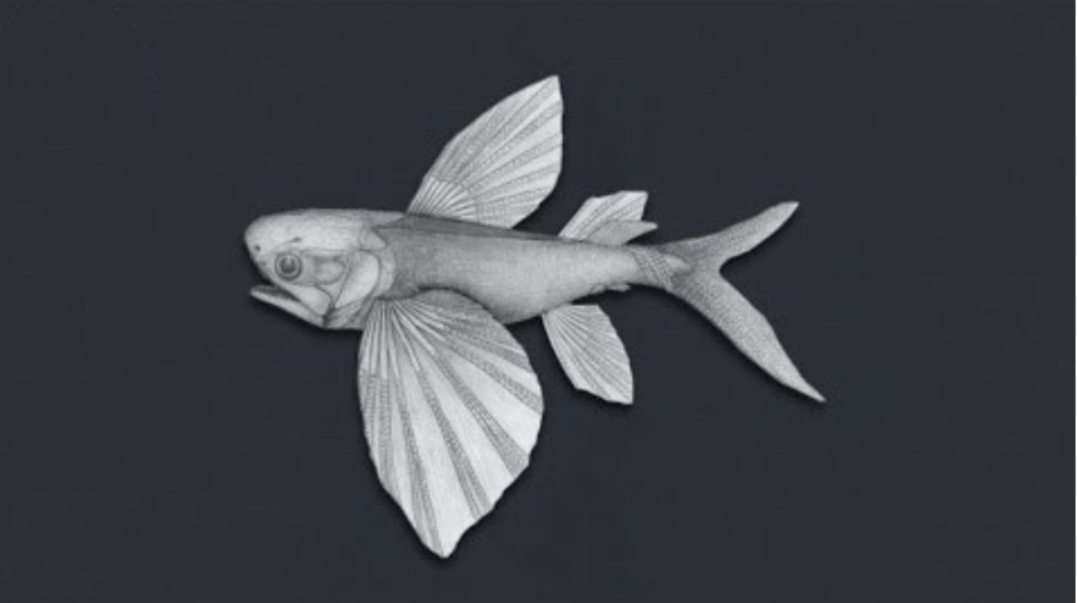
The Evolution of Flying Fish

February 23, 2024

In this video, we delve into the fascinating evolution of flying fish, exploring how these highly specialized creatures have undergone remarkable changes in body shape and behavior to achieve their unique ability to leap from the sea and glide through the air.

Flying fish are a prime example of nature's ingenuity, showcasing the remarkable ways in which organisms adapt to their environment over time. Through the process of evolution, these fish have developed specialized features such as elongated fins that function like wings, streamlined bodies to reduce air resistance, and powerful muscles for launching themselves out of the water.

But how did something so complex evolve? Join us as we unravel the mysteries of flying fish evolution, exploring the selective pressures and environmental factors that have shaped these extraordinary creatures into the masters of the skies and seas that they are today.

5 Unexplained Mysteries at Sea

February 22, 2024

In a haunting video capturing the pre-dawn silence of July 10, 1969, the Royal Mail Ship Picardie sails through the vast emptiness of the Atlantic, far from civilization. At the helm is Captain Richard Cox, who spots an anomaly on the horizon—a small, seemingly abandoned boat.

Despite attempts to signal the vessel, there is no response. Cox decides to dispatch a boarding party, revealing a ghostly scene: an empty boat showing signs of recent habitation but devoid of life.

This vessel is the Teignmouth Electron, a custom-built trimaran that set sail from Teignmouth Harbor, England, on October 31, 1968. Its captain, Donald Crowhurst, an electronics engineer and amateur sailor, had dreams of triumphing in the inaugural Sunday Times Golden Globe Race.

Crowhurst, facing financial difficulties with his business, saw the race as an opportunity to showcase his navigational device. Despite his lack of extensive sailing experience, he poured his ingenuity into building the Electron, equipped with safety innovations meant to navigate treacherous waters.

However, reality quickly set in. Time constraints and funding issues meant that many safety features were unfinished when Crowhurst embarked on his journey. His plan to complete them en route proved unfeasible, and his lack of experience compounded the challenges he faced.

As the tale of the Teignmouth Electron unfolds, viewers are drawn into a story of ambition, ingenuity, and ultimately, tragedy. Stay tuned as we delve deeper into Crowhurst's harrowing journey and the mysteries that surround his fateful voyage.

High School Honors Year 13 with School Haka

February 22, 2024

In a heartfelt tribute, Palmerston North Boys' High School shares a video showcasing a moving haka performance by the Year 13 cohort. This tradition celebrates their achievements and bids them farewell as they prepare for the next phase of their lives. Principal Sarah Johnson commends the graduates' resilience and encourages them to embrace the future with confidence. The video, resonating with unity and pride, serves as a powerful reminder of the school's spirit and the enduring bonds formed within its halls. As the graduates embark on new journeys, they carry with them the memories and values instilled during their time at Palmerston North Boys' High School.

10 of the RAREST Animals on Earth

February 22, 2024

In this video, we embark on a journey to uncover some of the planet's most elusive creatures. From the depths of the ocean to the remote corners of the world, these animals captivate with their rarity and uniqueness. Let's delve into the list of these remarkable beings:

  1. Māui Dolphin (Cephalorhynchus hectori maui): With its distinctive markings and diminutive size, the Māui dolphin is a rare gem of New Zealand's coastal waters.

  2. Yangtze Giant Softshell Turtle (Rafetus swinhoei): Found in the murky depths of China's Yangtze River, this ancient species faces the threat of extinction due to habitat loss and pollution.

  3. Ganges Shark (Glyphis gangeticus): Roaming the waters of the Ganges River, this enigmatic shark is a testament to the mysteries of India's sacred waterways.

  4. Lange's Metalmark Butterfly (Apodemia mormo langei): Fluttering amidst the wildflowers of California's central coast, this delicate butterfly enchants with its iridescent wings.

  5. Vancouver Island Marmot (Marmota vancouverensis): Huddled in the alpine meadows of Canada's Vancouver Island, this furry mammal faces a precarious existence due to habitat fragmentation.

  6. Ethiopian Wolf (Canis simensis): Roaming the highlands of Ethiopia, this elegant canid is one of the rarest wolves in the world, with a population teetering on the brink of extinction.

  7. Sulu Hornbill (Anthracoceros montani): Dwelling in the dense forests of the Philippines' Sulu Archipelago, this majestic bird is a symbol of the region's rich biodiversity.

  8. Sakhalin Sturgeon (Acipenser mikadoi): Gliding through the frigid waters of Russia's Sakhalin Island, this prehistoric fish is coveted for its prized caviar, leading to its critically endangered status.

  9. Vangunu Giant Rat (Uromys vika): Skulking through the dense jungles of the Solomon Islands, this elusive rodent was only recently discovered by scientists, adding to the allure of these remote islands.

  10. Belalanda Chameleon (Furcifer belalandaensis): Blending seamlessly into the arid landscapes of Madagascar's Belalanda region, this cryptic chameleon embodies the essence of survival in harsh environments.

As we marvel at the diversity and beauty of these rare animals, let us also reflect on the importance of conservation efforts to ensure their continued existence for future generations to appreciate and cherish.

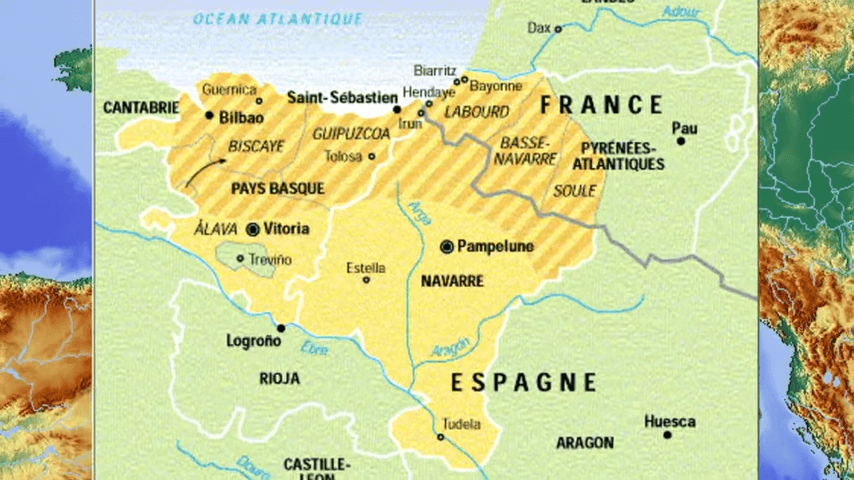
The Persistence of Non-IE Languages in Southern Europe

February 21, 2024

In the intricate tapestry of European languages, the predominance of the Indo-European (IE) language family is both profound and extensive, encompassing a vast array of tongues from the Romance languages of the south to the Germanic and Slavic languages of the north. However, nestled within this linguistic landscape are outliers—languages that do not belong to the Indo-European family, yet have managed to persist through the ages, particularly in Southern Europe. Among these, the Basque language, ensconced in the Pyrenees region, stands out as a remarkable enigma, offering a fascinating glimpse into the survival of non-IE languages in an Indo-European-dominated continent.

The survival of non-IE languages in Southern Europe can be attributed to several factors, including their proximity to the literate Mediterranean world. This geographical advantage may have played a crucial role in preserving these languages, as it facilitated interactions with advanced civilizations and cultures, thereby enabling them to maintain their distinct linguistic identities amidst the encroaching Indo-European languages. Additionally, historical migration patterns and cultural assimilation processes have likely contributed to the persistence of these languages, as they adapted and evolved in response to the changing demographic and cultural landscapes of Southern Europe.

Cultural and linguistic changes in ancient Iberia and Northern Europe further elucidate the persistence of non-IE languages. While ancient Iberia witnessed a significant replacement of its male lineage, the continuity of neolithic farmer ancestry ensured the survival of older linguistic elements. Conversely, in parts of Northern Europe, such as Britain, the neolithic population underwent a drastic replacement, possibly due to factors like disease or famine, during the Bronze Age. This stark contrast highlights the varied historical trajectories that influenced linguistic survival in different regions of Europe.

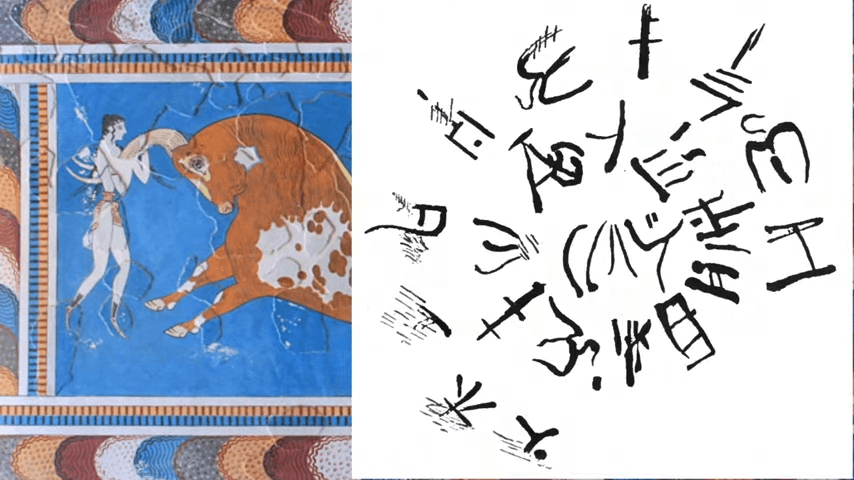
The persistence of non-IE languages in southern Europe is also linked to the survival of old populations in isolated areas. For instance, Minoan, an ancient language that thrived on Greek islands like Crete, and Etruscan, the language of the first mainland Italian civilization, are prime examples of how isolated communities could preserve their linguistic heritage over millennia. These languages not only survived but also influenced subsequent civilizations, demonstrating the resilience and impact of non-IE linguistic traditions.

The influence of local and Mediterranean cultures on non-IE languages in Southern Europe is another factor contributing to their persistence. For instance, Eastern Mediterranean cultures had a significant influence on the Etruscans, who according to some authors, were originally from the East. Similarly, ancient Sardinian languages may contain a pre-Indo-European substratum related to Basque, suggesting the existence of a West Mediterranean language family that has withstood the test of time.

The advanced societies of Bronze Age Sardinians and the possible survival of languages spoken by Neolithic Aegean farmers further underscore the resilience of non-IE languages. The Basque language, in particular, stands as a testament to this enduring linguistic legacy, being the only extant non-Indo-European or Uralic language in Europe today.

The synthesis of pre-Indo-European or proto-Indo-European and Indo-European cultures in southern Europe has played a pivotal role in the survival of older Iberian languages. The assimilation of early Indo-European-speaking newcomers into the pre-existing cultures, coupled with the adaptation of language, facilitated the preservation of these ancient tongues. This synthesis not only ensured the survival of non-IE languages but also enriched the cultural and linguistic diversity of Southern Europe, allowing these ancient languages and cultures to be carried into the historical period.

In conclusion, the persistence of non-IE languages in Southern Europe is a multifaceted phenomenon rooted in geographical, cultural, and historical factors. From the enigmatic Basque language to the ancient tongues of the Minoans and Etruscans, these languages offer a window into the past, revealing the complex interplay between migration, assimilation, and survival. As living relics of Europe's diverse linguistic heritage, they remind us of the enduring power of language to connect us to our ancestors and the stories that shaped our world.

Tags The Archaeologist Editorial Group

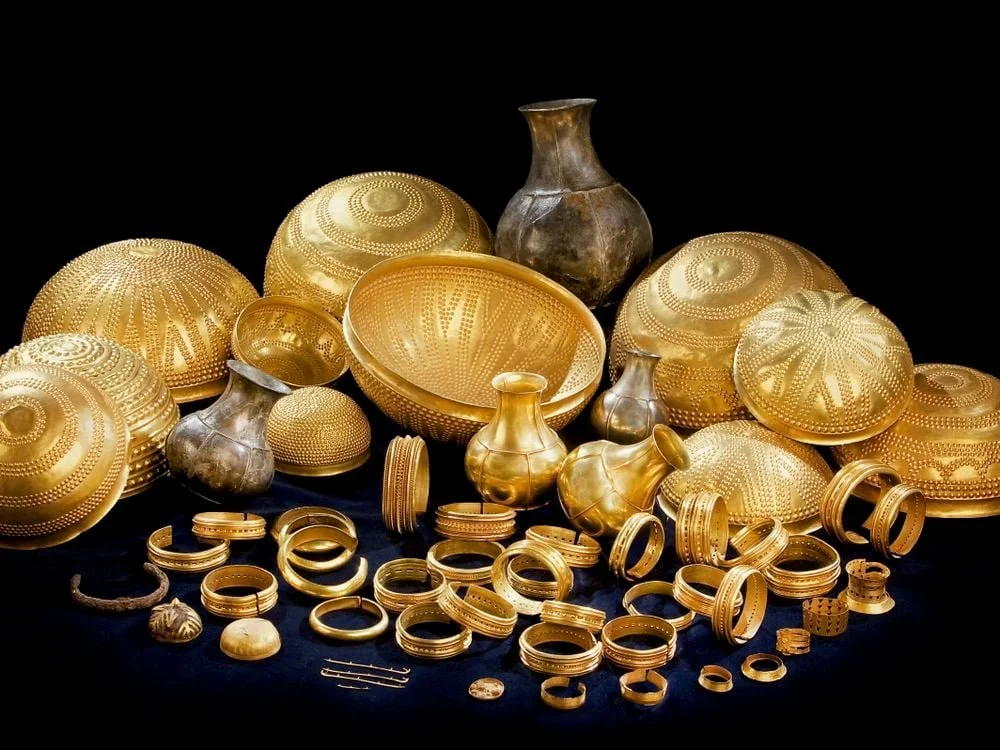
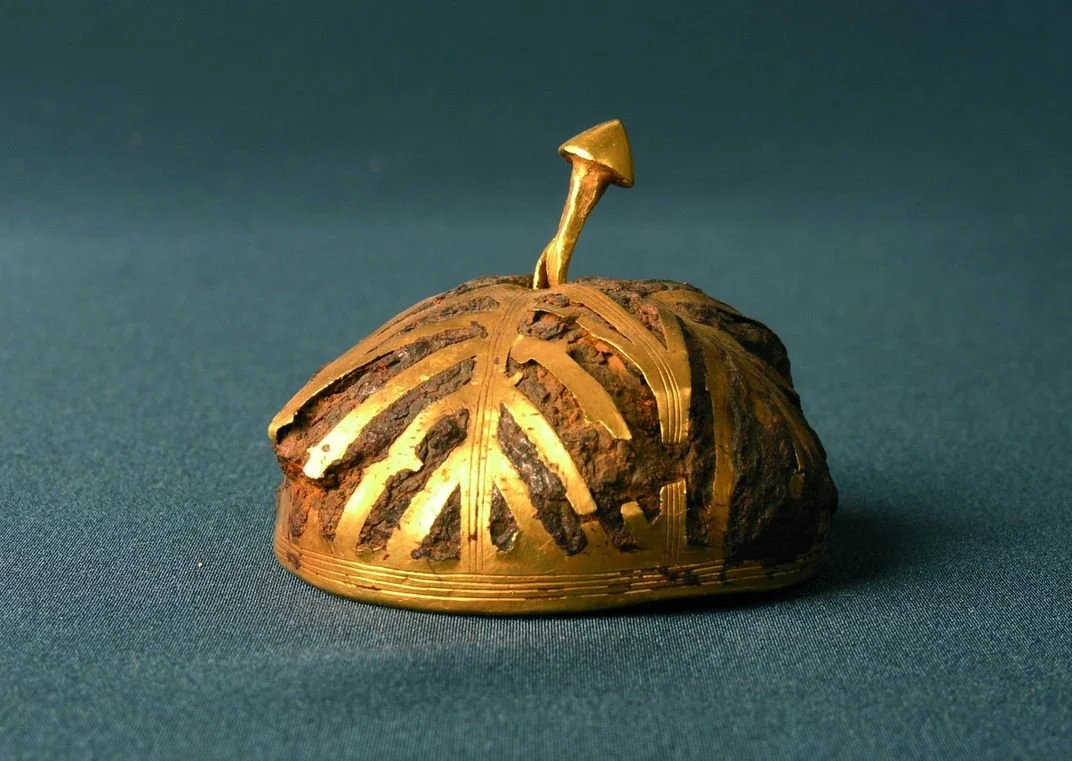
The Treasure of Villena was discovered in Spain's Iberian Peninsula in 1963. El Museo de Villena

Ancient Treasures Crafted from Meteoritic Iron: A 3,000-Year-Old Discovery

February 21, 2024

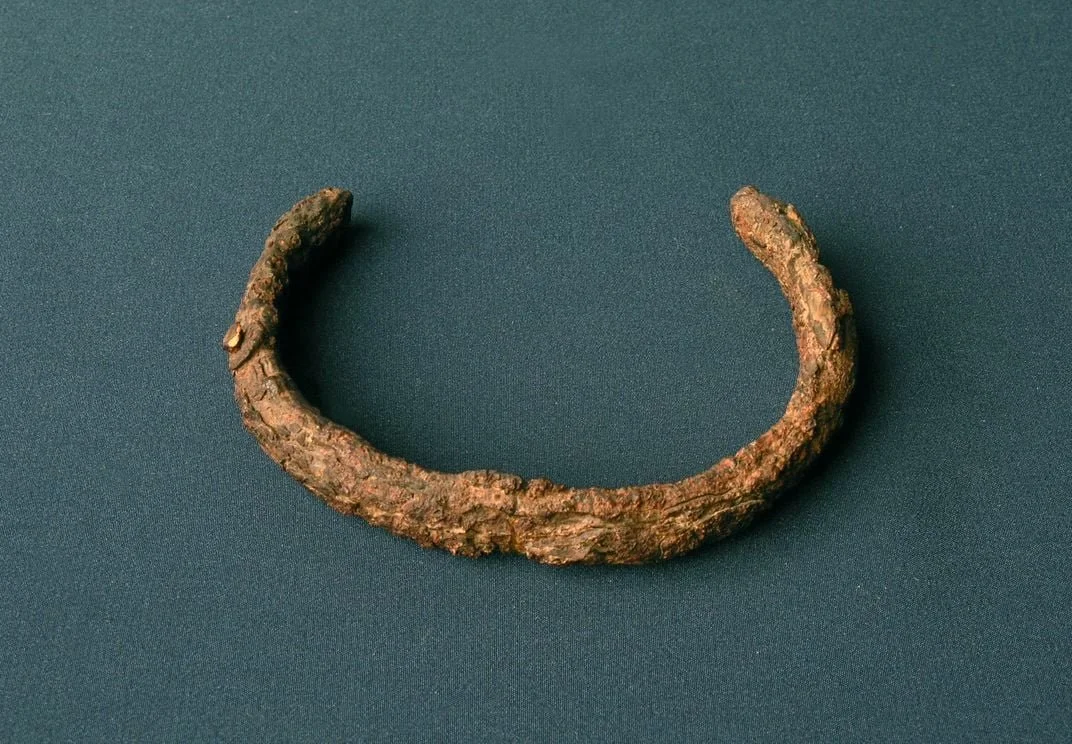
The recent revelation that two Bronze Age artifacts from the Treasure of Villena in Spain contain iron from a meteor that struck Earth around a million years ago has captivated archaeologists and scientists alike. Discovered in the 1960s, the treasure trove in Villena has long been admired for its stunning collection of gold and silver items, but the discovery of meteoritic iron artifacts adds a new dimension to its historical significance.

The artifacts under study—a bracelet and a hollow decorative sphere—date back to the period between 1400 and 1200 B.C. Their composition has puzzled researchers for decades, with the presence of a mysterious dark metal noted among the gold items. Now, through the use of mass spectrometry, scientists have determined that the iron in these artifacts closely resembles meteoritic iron, making them the first such artifacts found in the Iberian Peninsula.

The significance of these findings extends beyond mere material composition. The presence of meteoritic iron suggests that the ancient metalworkers who crafted these items were highly skilled and innovative. Iron, a material as valuable as gold or silver during that time, would have required advanced knowledge and techniques to work with, especially given its unique properties compared to more common metals like copper or silver.

One of the iron objects included in the Treasure of Villena El Museo de Villena

The discovery also sheds light on the interconnectedness of ancient cultures. While examples of meteoritic iron artifacts from this period are more commonly associated with eastern Mediterranean cultures, the presence of such items in Spain suggests a broader exchange of knowledge and materials across ancient civilizations.

However, many questions still remain unanswered. The identity of the individuals or community that owned the Villena treasure remains a mystery, as does the exact process by which ancient metalworkers acquired and worked with meteoritic iron. Nonetheless, these discoveries underscore the ongoing importance of archaeological research in uncovering the mysteries of our past and shedding light on the remarkable achievements of ancient civilizations.

An iron bracelet that's part of the Treasure of Villena El Museo de Villena

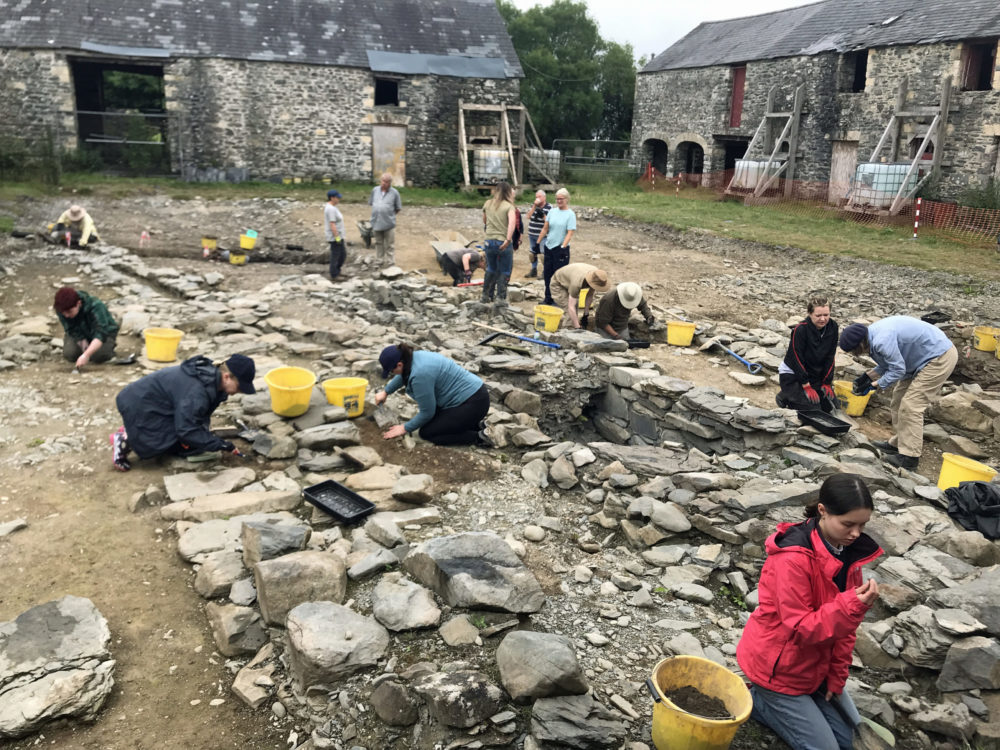
Excavations of the site at Strata Florida

Archaeologists Believe They've Uncovered a Hidden Celtic Treasure

February 21, 2024

The recent discovery of a possible Celtic monastery at the site of a 12th-century abbey in Wales has ignited excitement among archaeologists and historians. Located near the Cambrian Mountains by Pontrhydfendigaid village, the site, known as Mynachlog Fawr at the Strata Florida site, has revealed tantalizing clues suggesting the presence of an ancient Celtic religious establishment predating the Cistercian abbey.

The discovery unfolded during refurbishment work on the abbey and farm buildings, with archaeologists uncovering significant features indicative of a Celtic monastery. Among these findings are a major aqueduct and other medieval structures believed to be associated with the ancient monastery.

Analysis of samples from the site using radiocarbon methods has provided intriguing insights into its history. The dates obtained, ranging from 1017 to 1268 AD, suggest the presence of structures pre-dating the establishment of the Cistercian abbey in 1184 AD. This discovery challenges previous assumptions about the site's history and opens up new avenues for research into its early origins.

Carys Aldous-Hughes, director of the local trust overseeing the excavation, emphasized the importance of further exploration to uncover the monastery's original floors and other features associated with its earlier use. This deeper understanding promises to shed light on the site's history before the arrival of the Cistercian monks and provide valuable insights into Celtic religious practices in Wales.

The significance of this discovery is underscored by the historical context of Celtic culture in Wales. Throughout the centuries, the Celtic people of Wales have faced numerous challenges, including invasions and attempts at cultural suppression. The resilience of Welsh language and cultural identity against these adversities is a testament to the enduring spirit of the Welsh people.

As archaeologists continue their investigations at the site, the discovery of the possible Celtic monastery adds another chapter to the rich tapestry of Wales' cultural heritage. It serves as a reminder of the ancient roots of Celtic spirituality and the importance of preserving and celebrating Wales' unique history and traditions.

12 Most Mysterious Archaeological Finds

February 21, 2024

Archaeologists dedicate their lives to unraveling the secrets of the past, yet some of these mysteries are surprisingly recent in their discovery. Despite their ancient origins, these enigmas have only recently emerged into the light of modern exploration. The journey to deciphering these puzzles can be lengthy and complex, with some answers remaining elusive even after exhaustive investigation. Here, we present a curated selection of recent archaeological mysteries that continue to captivate and intrigue experts in the field.

Most Incredible Recent Discoveries Found By Satellite!

February 21, 2024

In this video, we delve into the remarkable discoveries made possible through satellite imagery, showcasing the extraordinary finds that have reshaped our understanding of ancient civilizations.

Among these discoveries is the unveiling of a new tomb within Egypt's Sakara necropolis, belonging to P Sheepses, a figure from 4,400 years ago. Although initially unearthed by French scholar AUST Mariette 160 years ago, the tomb remained largely unexplored until recent advancements. The tomb's decorated false door and accompanying artifacts provide a vivid snapshot of Egyptian society millennia ago, offering one of the earliest known biographies and shedding light on ancient governance structures.

In addition to this groundbreaking find, satellite technology has uncovered ancient fortresses in Germany, revealing intricate defense systems dating back thousands of years. Archaeologists, aided by drones, uncovered evidence of silver mining and an elaborate network of wooden towers, showcasing the strategic prowess of past civilizations.

Furthermore, satellite imagery has led to the discovery of Silk Road fortresses in the Afghan desert, highlighting the region's historical significance as a hub of trade and cultural exchange. On a lighter note, the unexpected revelation of Starbucks Island, a remote and uninhabited isle, captivated global attention, demonstrating the power of satellite technology to unveil hidden wonders even in the most unexpected places.

Top 6 National Treasure Katanas / History of Japanese Swords

February 21, 2024

In modern-day Japan, a wealth of renowned swords from various periods in Japanese history continues to endure. These remarkable blades are carefully safeguarded within shrines, museums, and private collections across the country. Of these, those possessing exceptional historical significance are honored with the prestigious designation of "National Treasure." Presently, Japan proudly acknowledges 122 swords bestowed with this esteemed title, each representing a cherished piece of the nation's cultural heritage.

Intricate Network of Human Life Found on Google Earth

February 21, 2024

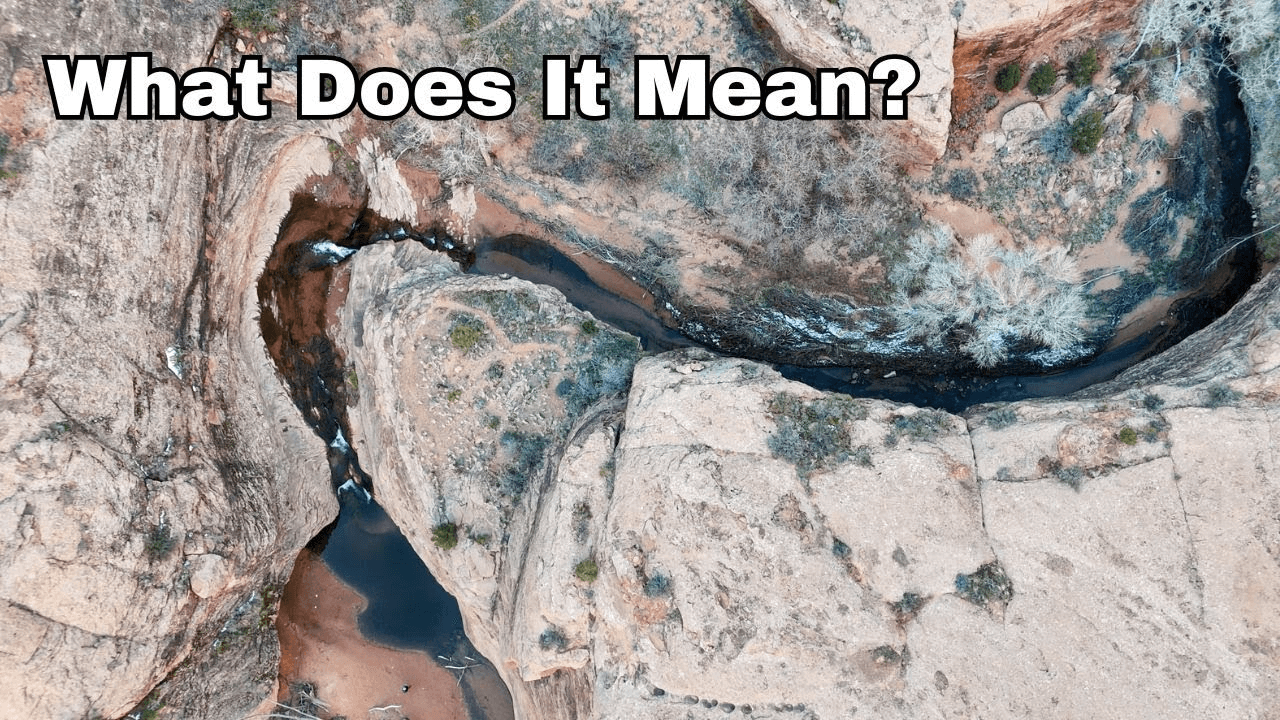
In this video, we delve into the fascinating journey of an explorer who stumbled upon a hidden gem in the desert while scouting for new hiking trails. Intrigued by reports of abundant water sources and caves, the author embarked on a solo expedition to unravel the mysteries of this untouched terrain.

As he ventured deeper into the desert, he stumbled upon ancient remnants etched into the rocks - petroglyphs and pictographs dating back an estimated 800 to 1200 years. The presence of these ancient artworks hinted at a rich cultural history waiting to be uncovered.

Further exploration revealed a concentration of footprints in the canyon, leading the author to speculate about their significance, possibly clan symbols left behind by ancient inhabitants. The area's ecosystem also boasted a thriving population of bighorn sheep, revered by ancient tribes for their symbolic power and strength.

Ascending to a towering alcove, the author stumbled upon evidence of ancient agricultural practices, with numerous grinding areas where grains and corn were processed. Among the intricate rock art, he encountered a captivating depiction of a figure adorned with a necklace, painted in striking hues of blue.

In awe of the area's natural beauty and the depth of its historical tapestry, the author reflected on the privilege of exploring such a rich and complex landscape. Join us as we unravel the secrets of this desert oasis and marvel at the wonders hidden within its rugged terrain.

The Filthy Amusements of Egyptian Pharaohs

February 21, 2024

In this video, we delve into the lesser-known aspects of ancient Egyptian history, shedding light on the less glamorous truths behind the veil of Pharaonic grandeur. Despite being revered as divine figures, the pharaohs were not immune to human desires and frailties. Polygamy was commonplace among them, with some even resorting to marrying their own siblings in a bid to consolidate power within the royal family.

The corridors of power in ancient Egypt witnessed a dark underbelly, where unchecked authority often led to hedonistic excesses and disturbing practices. From opulent banquets that mocked the struggles of the common people to displays of ruthless power and cruelty, the lives of these god-kings were shrouded in a cloak of extravagance that shocks modern sensibilities.

As we explore the depths of ancient Egyptian society, we uncover scandalous behaviors and taboo practices that challenge our perceptions of this ancient civilization. Join us as we reveal the dirty truths about ancient Egypt, including the prevalence of family inbreeding among the ruling elite, shedding light on a side of history often overlooked in mainstream narratives.

Asking Tribal Elders Life's Big Questions

February 21, 2024

Mike engages in a conversation with Mpisi, a local traditional healer in Zimbabwe, emphasizing the significance of indigenous knowledge and natural resources for overall well-being. Mpisi passionately encourages individuals to acquire survival skills and cultivate their own sustenance and remedies, aiming to avoid dependence on the external world. He expresses concern that modern civilization can potentially render people vulnerable and less intelligent, pointing out the chemical-laden nature of urban food.

In contrast to city life, Mpisi prioritizes his health and vitality by cultivating his organic produce and incorporating a variety of herbs into his diet. He firmly believes that maintaining harmony with nature is essential for human happiness, contrasting the perceived chaos and lack of consideration in city living. Mpisi advocates for communal cooperation, emphasizing the value of sharing both food and joy with others.

As a devoted naturalist, Mpisi holds the belief that natural resources possess inherent healing properties, while cautioning against the potential harm chemicals may pose to the body. His lifestyle choices reflect a commitment to a holistic approach to health, rooted in a deep respect for the environment and an understanding of the interconnectedness of all living things.

6 Mysterious Historical Discoveries of 2015

February 21, 2024

In this video, we explore the intriguing encounters historians and archaeologists often have with enigmatic discoveries while delving into historical texts or unearthing ancient remains. Some of the most baffling historical findings and revelations of 2015 include:

  1. A rare metal believed to be from Atlantis was salvaged from a shipwreck off the Sicilian coast. The metal, likely originating from Greece or Asia Minor, was possibly en route to port when it encountered a storm.

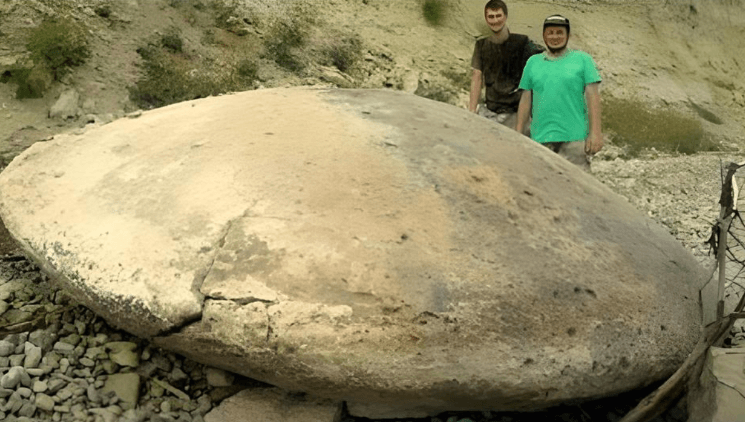
  2. Mysterious stone discs, estimated to be around a million years old, were unearthed in Russia's Vrad region. Containing traces of the metal tonson, these discs fuel speculation about extraterrestrial involvement in their creation.

  3. Inside a 1,000-year-old Buddha statue in China, researchers discovered the mummified remains of a monk, possibly indicative of a form of self-mummification practiced by ancient monks.

  4. Thermal irregularities detected within the Great Pyramid of Giza hinted at potential hidden chambers or treasures concealed within its structure, offering tantalizing prospects for further exploration.

  5. Uncovered in the Turpan Basin of northwestern China were approximately 200 mysterious stone circles, potentially dating back as far as 4,500 years, adding to the area's mystique and historical significance.

  6. New evidence suggests that Stonehenge may have had its origins in Wales, challenging previous assumptions about its construction and purpose.

Enjoy!

12 Most Incredible Recent Archaeological Finds

February 21, 2024

Archaeology offers a wealth of fascination, with recent discoveries holding a special allure. While past findings have garnered extensive scrutiny, the allure of uncovering secrets in recent excavations remains undiminished. Fortunately, the field has witnessed a surge of captivating archaeological revelations in recent years. Below, we delve into some of the most compelling discoveries to date.

The Sumerian Queen's Lyre, The Earliest Lyre Ever Found

February 21, 2024

By Dimosthenis Vasiloudis


The Dawn of Music: The Sumerian Queen's Lyre, a Testament to Ancient Musical Ingenuity

In the annals of musical history, few artifacts hold as much mystique and significance as the Sumerian Queen's Lyre. Discovered in the Royal Cemetery at Ur, this ancient stringed instrument, dating back to approximately 2600 BC, provides a fascinating glimpse into the early development of music and craftsmanship in one of the world's oldest civilizations. This article delves into the discovery, significance, and enduring legacy of this extraordinary piece of ancient history.

Discovery and Historical Context

During his significant excavations at Ur in the 1920s, Sir Leonard Woolley discovered the Sumerian Queen's Lyre. These excavations, which revealed a trove of artifacts, provided an unprecedented insight into Sumerian culture and practices. The lyre, found among other items in what is believed to be a royal burial, is particularly notable for its intricate design and construction.

The Queens Lyre, British Museum

Design and Craftsmanship

The lyre's design is emblematic of the advanced artistic capabilities of the Sumerians. Its most striking feature is the finely crafted bull's head, symbolizing strength and fertility in Sumerian culture. The instrument's body, made from wood, was adorned with intricate inlays of precious materials, such as lapis lazuli, shell, and red limestone, creating a visually stunning artifact.

Musical Significance

As one of the earliest known stringed instruments, the Sumerian Queen's Lyre offers valuable insights into the musical traditions of ancient Sumer. Its discovery suggests that music played a significant role in Sumerian society, potentially used in religious rituals, royal ceremonies, or as a form of entertainment. The lyre's design also provides clues about the evolution of musical instruments and the origins of string-based music.

Preservation and Display

After its discovery, the lyre underwent extensive restoration, as it was found in a decayed state. Today, it resides in the British Museum, serving as a key exhibit and attracting scholars and enthusiasts from around the world. Its preservation allows contemporary audiences to connect with an aspect of Sumerian culture that would otherwise have been lost to time.

Bull's head of the Queen's lyre from Pu-abi's grave, PG 800, at the Royal Cemetery at Ur, Southern Mesopotamia, Iraq. British Museum, Osama Shukir Muhammed Amin FRCP(Glasg) - Own work

the World's Oldest Stringed Instruments in the Lyres of Ur

Few discoveries have captured the imagination of historians and music enthusiasts alike as profoundly as the Lyres of Ur. These remarkable string instruments, unearthed from the Royal Cemetery at Ur in modern-day Iraq, stand as silent witnesses to the dawn of musical expression in human civilization.

The Lyres of Ur are hailed as the world's oldest surviving stringed instruments. Strictly speaking, the collection comprises three lyres and one harp, although they are commonly referred to as lyres. Following meticulous restoration efforts, the instruments found their homes in prestigious museums across the globe. The "Golden Lyre of Ur," also known as the "Bull's Lyre," takes pride of place in the Iraq Museum in Baghdad. Its resplendent golden bull head, adorned with inlaid nacre and lapis lazuli, speaks to the exquisite craftsmanship of its creators. Meanwhile, the "Bull-Headed Lyre" in the Penn Museum, Philadelphia, with its gold foil-wrapped features, pays homage to the Mesopotamian reverence for divine symbolism.

The Queen's Lyre and the Silver Lyre, from the Royal Cemetery at Ur, southern Mesopotamia, Iraq, British Museum, London. Osama Shukir Muhammed Amin FRCP(Glasg) - Own work

The saga of the Lyres of Ur extends beyond mere archaeological significance; it intertwines with poignant tales of human connection. Leonard Woolley's excavation revealed the lyres nestled among the skeletal remains of ten women, suggesting their ceremonial use in burial rituals. One poignant discovery recounts a skeleton found resting against a lyre, its hand seemingly poised where the strings once resounded.

A lyre, by definition, is a stringed instrument characterized by a projection from the body. In order to play the lyres of Ur, specifically box lyres, one must stand upright and pluck the strings with both hands. With eleven strings each, these instruments produced a distinctive buzzing noise, likely accompanying songs performed during burial ceremonies.

The Sumerian Queen's Lyre is not just an artifact; it is a bridge to our shared human past. Its strings, though silent for millennia, still resonate with the ingenuity and artistic spirit of the people who created it. As one of the oldest known musical instruments, it continues to inspire and enlighten, reminding us of the universal language of music that transcends time and culture. The journey of the Lyres of Ur resonates with contemporary audiences across the globe.

In Mesopotamia Tags Dimosthenis Vasiloudis

Valle Dei Templi: A Journey Through Ancient Greece

February 20, 2024

Nestled near the sun-kissed shores of Sicily's southern coast, the Valle Dei Templi beckons travelers on a journey through time—a captivating testament to the enduring legacy of ancient Greece in the heart of Italy.

Designated as a UNESCO World Heritage site, the Valley of the Temples stands as a majestic tribute to the grandeur of Greek civilization in Southern Italy. Just beyond the bustling city of Agrigento, this archaeological marvel unfolds, revealing a panorama of exquisitely preserved ancient Greek temples.

But the Valle Dei Templi is more than a mere collection of ancient ruins; it is a living testament to Sicily's rich cultural heritage. Each year, thousands of visitors are drawn to its storied landscape, enraptured by the echoes of a bygone era when this land thrived as a vibrant hub of Greek civilization.

Stepping into the valley, visitors are transported back in time, wandering amidst the awe-inspiring remnants of temples dedicated to the gods and goddesses of the Greek pantheon. The site's strategic location offers sweeping vistas of the surrounding countryside, enhancing its allure and inviting contemplation of ancient splendor.

For those versed in Sicily's history, the significance of the Valle Dei Templi is unmistakable. It stands as a poignant reminder of the island's storied past—a testament to the enduring influence of ancient Greece on its cultural landscape.

The History of the Valley of the Temples

Founded in the 6th century BCE by Greek colonists, the ancient city of Akragas flourished as a beacon of Greek civilization in Magna Graecia. It was during this era of prosperity that the temples of the Valle Dei Templi were erected, symbols of the city's devout religious practices and architectural prowess.

Among the valley's most iconic structures is the Temple of Concordia, a masterpiece of Doric architecture dating back to the 5th century BCE. Its pristine preservation offers a glimpse into the ingenuity of ancient Greek craftsmanship, while nearby, the Temple of Hera stands as a testament to the enduring spirit of Greek devotion.

Further afield, the Temple of Heracles and the Temple of Olympian Zeus bear witness to the island's tumultuous history, their weathered columns standing as silent sentinels to a bygone era of glory and conquest.

Visiting the Valley of the Temples Today

Today, the Valle Dei Templi welcomes visitors from around the world, offering a journey of discovery through the annals of ancient history. Amidst the fragrant citrus groves and wildflower-strewn hillsides, travelers can explore the remnants of a civilization that shaped the course of Western thought and culture.

Guided tours and informative exhibits provide invaluable insights into the valley's rich heritage, while the surrounding landscape offers a serene backdrop for contemplation and reflection.

As the sun sets over the valley, casting its golden glow upon the ancient stones, one cannot help but marvel at the enduring legacy of the Valle Dei Templi. It is a testament to the enduring power of human creativity and ingenuity—a timeless reminder of the splendor of ancient Greece amidst the rolling hills of Sicily.

← Newer Posts Older Posts →
Featured
image_2026-06-22_223748063.png
June 24, 2026
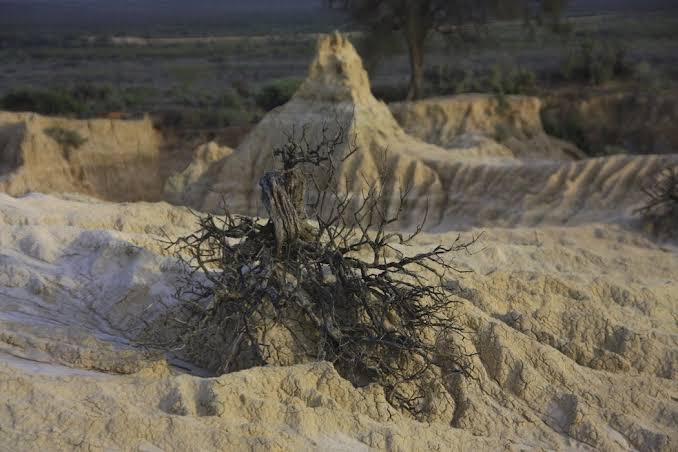
Lake Mungo: Australia's 42,000-Year Cremation Rites
June 24, 2026
Read more →
June 24, 2026
image_2026-06-22_223711115.png
June 24, 2026
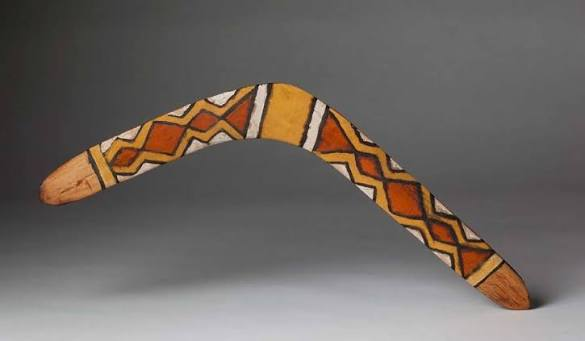
Wyrie Swamp: Australia's 20,000-Year Boomerangs
June 24, 2026
Read more →
June 24, 2026
image_2026-06-22_223638840.png
June 24, 2026
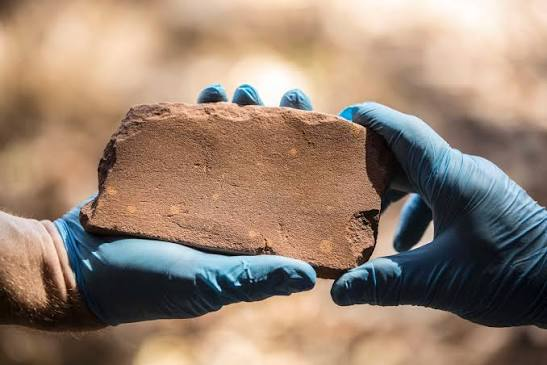
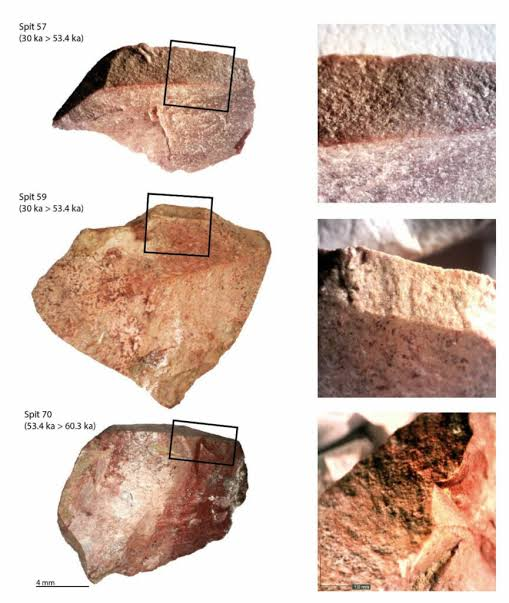
Madjedbebe: World's Oldest Ochre Processing Site
June 24, 2026
Read more →
June 24, 2026
image_2026-06-22_223602824.png
June 24, 2026
Nauwalabila: Australia's 50,000-Year Stone Tools
June 24, 2026
Read more →
June 24, 2026
image_2026-06-22_223518130.png
June 24, 2026
Devil's Lair: Australia's 48,000-Year Ochre Use
June 24, 2026
Read more →
June 24, 2026
image_2026-06-22_223408714.png
June 24, 2026
Laili Cave: East Timor's 44,000-Year Colonizers
June 24, 2026
Read more →
June 24, 2026
read more

Powered by The archaeologist