Ancient Settlement in Türkiye Redefines Early Human Living
A remarkable archaeological discovery in southeastern Türkiye is challenging long-held ideas about when humans began living in permanent communities. The site, known as Şika Rika 5, dates back around 10,000 years and offers new insights into one of the most important transitions in human history.
A Hidden Site Comes to Light
Located in the limestone foothills of the Tur Abdin in Mardin province, the area had previously received little archaeological attention compared to the famous river valleys of the Tigris River and Euphrates River.
The excavation, led by Ergül Kodaş of Mardin Artuklu University, focuses on a period spanning roughly 12,000 to 10,000 years ago. This timeframe covers the late Epipalaeolithic and Pre-Pottery Neolithic eras—when humans were gradually shifting from a nomadic lifestyle to more settled ways of living.
Not Just One Settlement
Şika Rika 5 is part of a much larger network. Since 2022, researchers have identified at least 20 nearby prehistoric settlements, all clustered within a relatively small area.
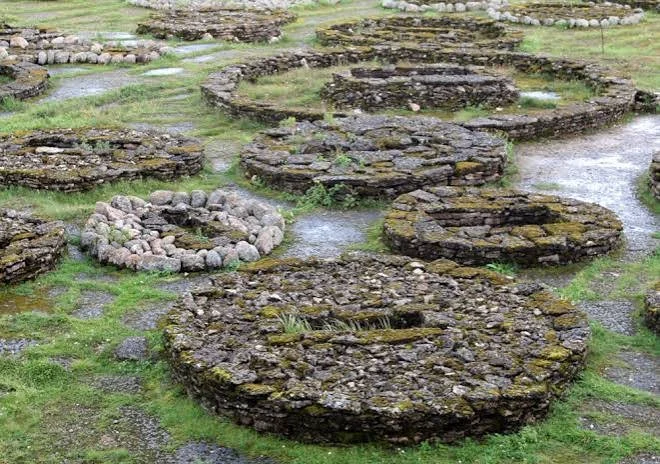
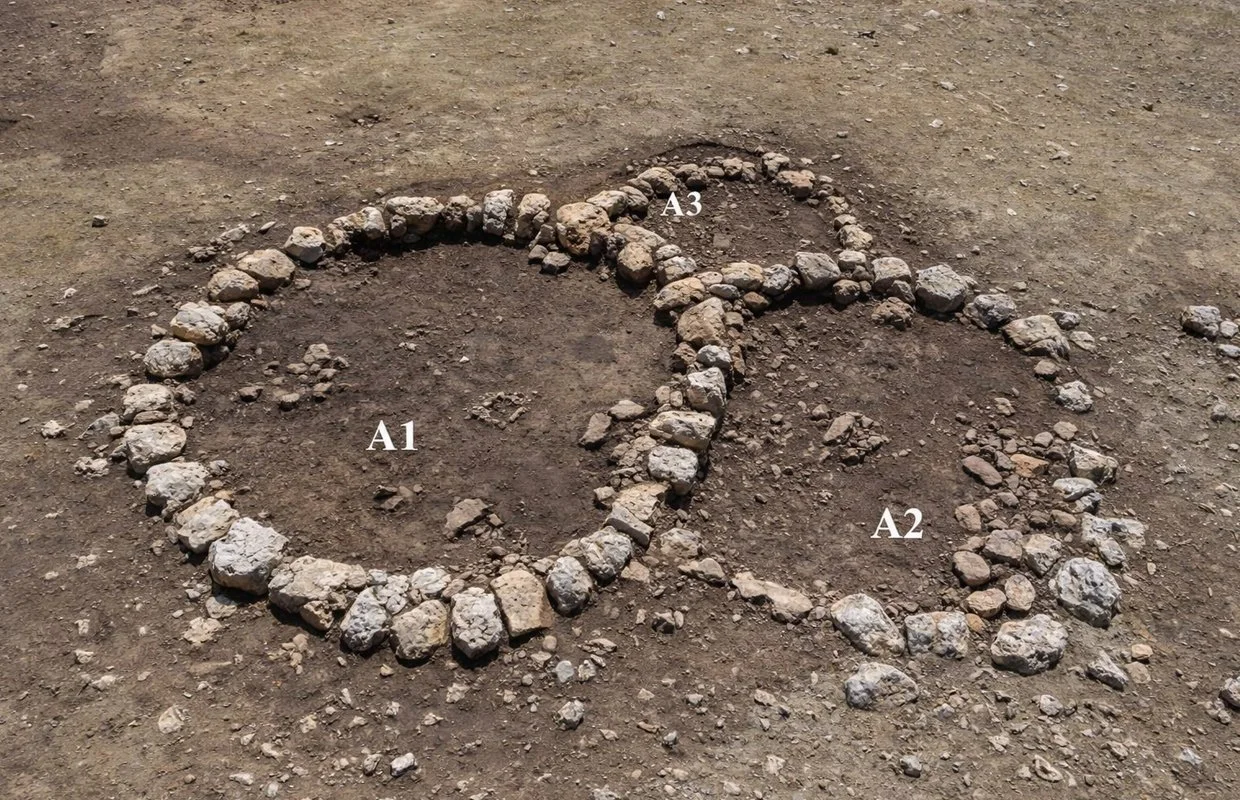
These communities were built on artificial mounds known as höyük, formed by layers of repeated human occupation over time. At Şika Rika 5, archaeologists have uncovered circular structures that likely served as long-term dwellings, suggesting people lived there more permanently than previously assumed.
Daily Life and Tools
Artifacts found at the site provide a vivid picture of everyday life. Most tools were crafted from flint, with smaller amounts of obsidian—volcanic glass that must have been transported from distant sources. This points to early trade or exchange networks connecting different communities.
Among the most significant discoveries are small, crescent-shaped tools called “lunates.” These finely made objects were likely used as parts of composite tools, such as knives or hunting weapons, indicating advanced craftsmanship.
Food, Survival, and Early Resource Use
The presence of grinding stones and pestles suggests that inhabitants processed wild grains, legumes, and other plant foods. Combined with animal bones found at the site, this indicates a mixed lifestyle that included hunting, gathering, and early plant use.
This balance shows that people were not yet fully dependent on farming but were already experimenting with ways to make better use of available resources.
Signs of Culture and Community
Beyond survival tools, archaeologists uncovered decorative beads and other ornamental items. These objects hint at social or symbolic behaviors, suggesting that the community had cultural traditions and possibly shared identities.
All recovered artifacts are currently preserved at the Mardin Museum.
A Region of Early Innovation
Southeastern Anatolia is already known for its importance in early human history. Sites like Göbekli Tepe and Boncuklu Tarla have shown that complex societies existed earlier than once believed.
The discovery of Şika Rika 5 adds another layer to this story, revealing a dense network of settlements during a crucial period of development.
Rethinking the Origins of Settled Life
One of the most important takeaways from this discovery is that permanent or semi-permanent living may have begun before agriculture.
Rather than farming leading to settled life, evidence from Şika Rika 5 suggests the opposite may also be true: communities may have first settled in one place, relying heavily on local resources, and only later developed agriculture.
A New Perspective on Human History
This discovery offers a fresh understanding of how human societies evolved. Instead of a sudden shift from nomadic to farming lifestyles, the transition appears to have been gradual and complex.
Şika Rika 5 provides a powerful example of how early humans adapted to their environment, slowly moving toward a more settled way of life—long before agriculture fully took hold.