A Mysterious Ancient Cemetery in the Sahara Desert
Deep within the vast sands of the Sahara Desert, hundreds of ancient human skeletons have remained buried for thousands of years. Their presence in such an unforgiving environment raises compelling questions: who were these people, and why were they here? Thanks to determined archaeologists, some answers are finally emerging.
A Harsh and Isolated Landscape
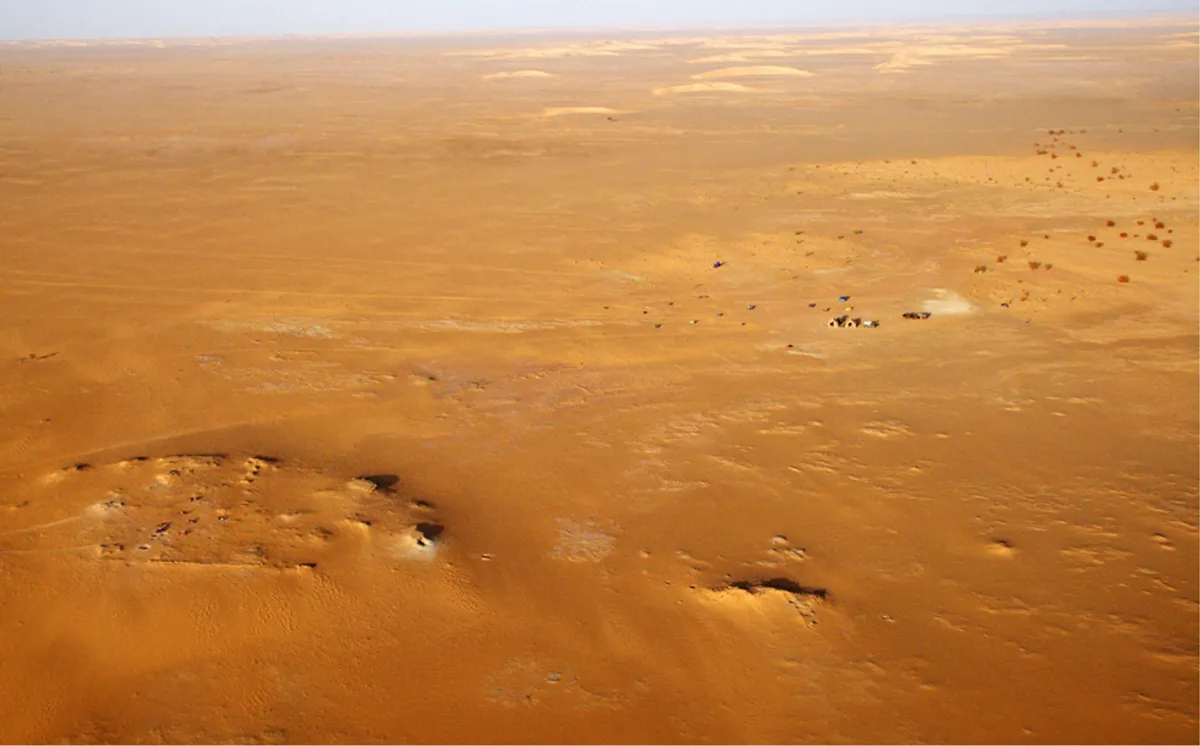
The burial site lies in the remote Ténéré Desert, a region often described as a “desert within a desert.” This area is known for its extreme conditions—intense heat reaching up to 49°C (120°F), powerful sandstorms, and vast stretches of barren land with little to no infrastructure.
Local nomadic traditions even refer to it as “the place where camels fear to go,” highlighting just how dangerous it is. Today, due to risks such as banditry and regional conflict, visitors must travel under armed escort.
From Dinosaurs to Human Discovery
Despite its harshness, the Ténéré has attracted scientists since the 1950s because of its rich fossil deposits. In 2000, a team led by Paul Sereno from the University of Chicago explored the region in search of dinosaur remains.
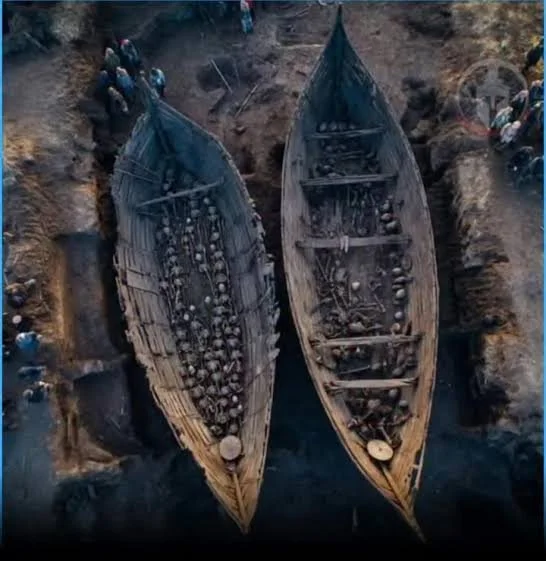
Instead of prehistoric reptiles, they uncovered something even more unexpected: human skeletons, along with pottery fragments, beads, arrowheads, and other artifacts. This discovery revealed the presence of an ancient cemetery, now known as Gobero.
The “Green Sahara” Era
At first glance, a cemetery in such an extreme desert seems unlikely. However, the site dates back to a time when the Sahara looked very different.
During the “Green Sahara” period—between roughly 15,000 and 5,000 years ago—the region experienced increased rainfall due to shifting monsoon patterns. What is now desert was once a thriving landscape filled with lakes, vegetation, and wildlife such as hippos and crocodiles.
Gobero itself was located near a large freshwater lake, offering water, food, and a sustainable environment for human settlement.
Two Cultures, One Burial Ground
Archaeological evidence shows that Gobero was inhabited by two distinct groups at different times:
Hunter-fishers (around 7700 BCE): These early settlers established what is considered the oldest known cemetery in the Sahara. They relied heavily on fishing and hunting for survival.
Pastoralists (after 5200 BCE): Following a long drought that forced the first group to leave, a second population arrived. They introduced cattle herding and had a more varied diet.
Interestingly, both groups used the same burial ground, even though they were separated by centuries and significant climate changes.
Striking Physical Differences
The two populations were not only culturally different but also physically distinct. The earlier group had strong, robust builds, while the later inhabitants were more slender in appearance.
According to bioarchaeologist Chris Stojanowski, one of the most puzzling aspects is how both groups managed to bury their dead in the same location without disturbing earlier graves. This suggests a surprising level of awareness—or perhaps respect—for the site’s significance.
Climate Change and Abandonment
The history of Gobero reflects the shifting climate of the Sahara. Periods of rainfall allowed communities to thrive, while prolonged droughts forced them to abandon the area.
Around 5,000 years ago, increasing dryness turned the region back into desert, making it uninhabitable once again.
A Desert Full of Hidden Secrets
Gobero may be just one of many undiscovered sites. The Sahara spans an enormous area, much of which remains unexplored. Its constantly shifting الرمال can easily hide traces of ancient life for thousands of years.
The unexpected discovery of this cemetery suggests that many more secrets are still buried beneath the الرمال—waiting to be uncovered by future explorers.