• MAIN PAGE
  • LATEST NEWS
    • Lost Cities
    • Archaeology's Greatest Finds
    • Underwater Discoveries
    • Greatest Inventions
    • Studies
    • Blog
  • PHILOSOPHY
  • HISTORY
  • RELIGIONS
    • Africa
    • Anatolia
    • Arabian Peninsula
    • Balkan Region
    • China - East Asia
    • Europe
    • Eurasian Steppe
    • Levant
    • Mesopotamia
    • Oceania - SE Asia
    • Pre-Columbian Civilizations of America
    • Iranian Plateau - Central Asia
    • Indus Valley - South Asia
    • Japan
    • The Archaeologist Editor Group
    • Scientific Studies
    • Aegean Prehistory
    • Historical Period
    • Byzantine Middle Ages
    • Predynastic Period
    • Dynastic Period
    • Greco-Roman Egypt
  • Rome
  • PALEONTOLOGY
  • About us
Menu

The Archaeologist

  • MAIN PAGE
  • LATEST NEWS
  • DISCOVERIES
    • Lost Cities
    • Archaeology's Greatest Finds
    • Underwater Discoveries
    • Greatest Inventions
    • Studies
    • Blog
  • PHILOSOPHY
  • HISTORY
  • RELIGIONS
  • World Civilizations
    • Africa
    • Anatolia
    • Arabian Peninsula
    • Balkan Region
    • China - East Asia
    • Europe
    • Eurasian Steppe
    • Levant
    • Mesopotamia
    • Oceania - SE Asia
    • Pre-Columbian Civilizations of America
    • Iranian Plateau - Central Asia
    • Indus Valley - South Asia
    • Japan
    • The Archaeologist Editor Group
    • Scientific Studies
  • GREECE
    • Aegean Prehistory
    • Historical Period
    • Byzantine Middle Ages
  • Egypt
    • Predynastic Period
    • Dynastic Period
    • Greco-Roman Egypt
  • Rome
  • PALEONTOLOGY
  • About us

12 Most Amazing Archaeological Finds

April 9, 2024

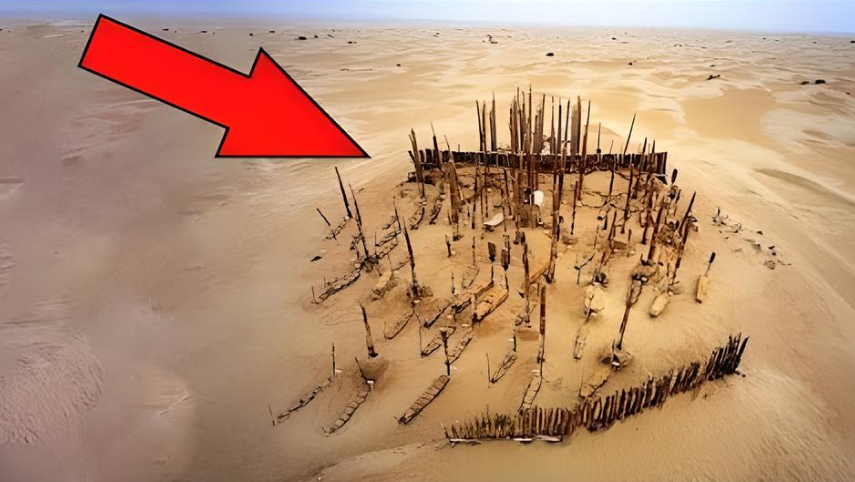
The video showcases a series of remarkable archaeological finds that captivate our imagination, shedding light on the diverse cultures and practices of our ancestors. One standout discovery is the world's oldest protractor unearthed from an Egyptian tomb, offering a glimpse into ancient mathematical precision and architectural prowess.

Additionally, the utilization of ancient skulls as ceremonial adornments in ancestor worship rituals unveils intriguing beliefs and customs of bygone civilizations. The enigmatic Gungi Wamp archaeological site in Connecticut presents a mystery waiting to be unraveled, inviting speculation and exploration into its purpose and significance.

The natural mummies discovered in Shioh Cemetery within China's T Basin Desert offer a haunting yet invaluable glimpse into ancient burial practices and preservation techniques. Meanwhile, the unearthing of a previously unknown Roman Sanctuary in Diche, Turkey, adds a new layer to our understanding of the religious landscape of the ancient world.

These discoveries not only enrich our knowledge of history but also spark curiosity and contemplation, leaving archaeologists and historians with tantalizing questions to ponder. In the accompanying video, we delve deeper into the significance and implications of these extraordinary findings, exploring their impact on our understanding of the past.

← Pharaohs costumes: What does the Pharaoh wear?The Filipino Tribe That Lives Inside a Volcano →
Featured
image_2025-12-07_224159633.png
Dec 7, 2025
The Role of the Nile River in the Birth of Egyptian Civilization
Dec 7, 2025
Read More →
Dec 7, 2025
image_2025-12-07_224016560.png
Dec 7, 2025
The Lost Kingdom of Tartessos: Spain's Ancient Atlantis
Dec 7, 2025
Read More →
Dec 7, 2025
image_2025-12-07_223754940.png
Dec 7, 2025
The Role of the Jaguar in Ancient Mesoamerican Mythology
Dec 7, 2025
Read More →
Dec 7, 2025
image_2025-12-07_223320623.png
Dec 7, 2025
The Secret Rites of the Eleusinian Mysteries
Dec 7, 2025
Read More →
Dec 7, 2025
image_2025-12-07_222717905.png
Dec 7, 2025
The Ancient Science of Metallurgy and Weapon Crafting
Dec 7, 2025
Read More →
Dec 7, 2025
image_2025-12-07_222634278.png
Dec 7, 2025
The Role of the Sacred River Ganges in Ancient Hinduism
Dec 7, 2025
Read More →
Dec 7, 2025
read more

Powered by The archaeologist