When History is Destroyed
Across the world, ancient sites face destruction from war, natural disasters, and time itself. One of the most striking examples is Palmyra, a once-thriving cultural hub that suffered severe damage in recent years.
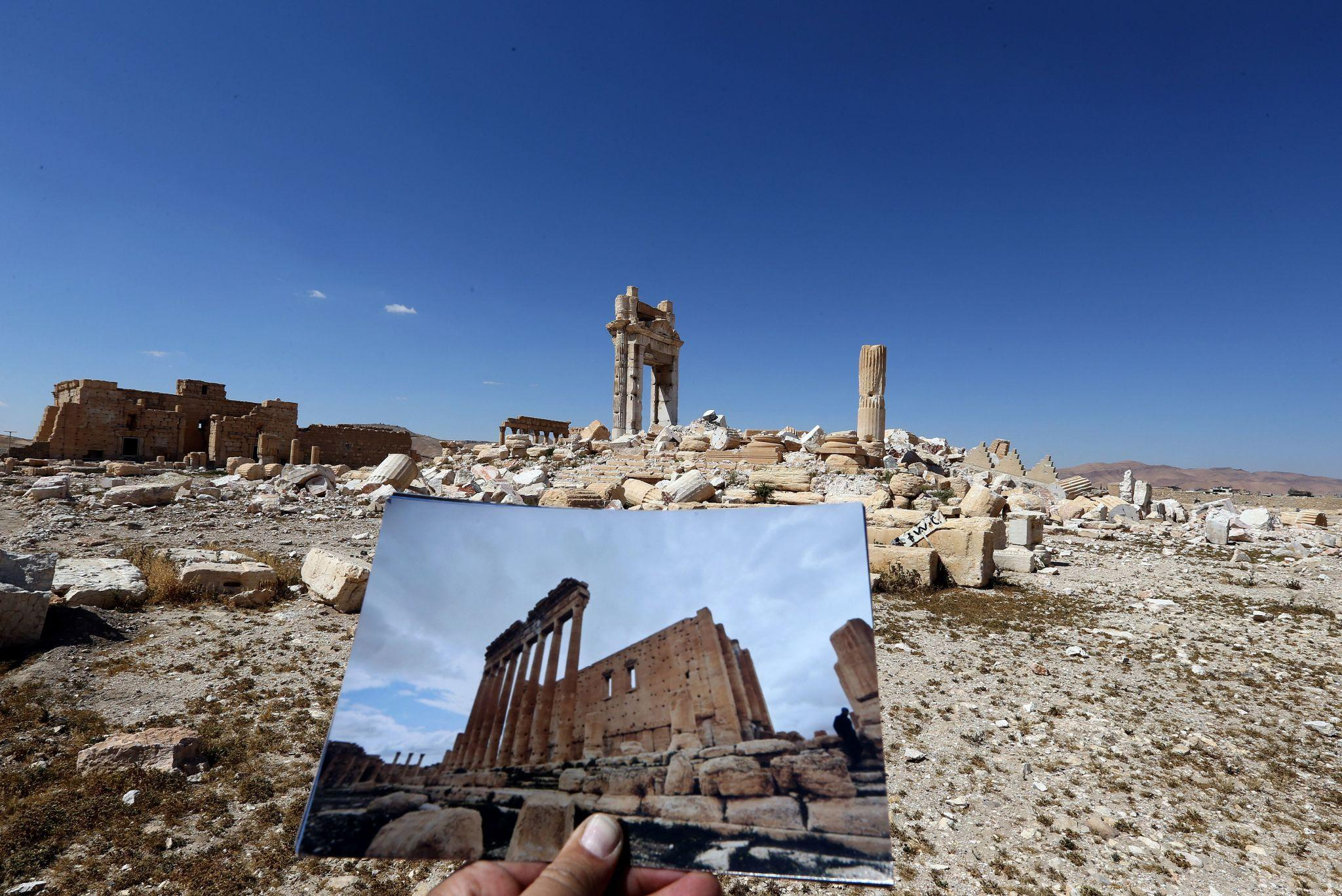
Faced with the loss of irreplaceable heritage, researchers have turned to an unexpected solution: 3D printing.
How 3D Reconstruction Works
The process begins with detailed digital scans of existing structures. These scans capture every visible detail, from large architectural features to small surface textures.
Using this data, experts create precise 3D models that can be:
Studied digitally
Modified to reconstruct missing parts
Printed as physical replicas
Advanced printers can even replicate stone textures, making the results visually convincing.
Rebuilding the Arch of Palmyra
One of the most famous examples is the reconstruction of the Arch of Triumph from Palmyra. Using photographs and scans taken before its destruction, researchers created a full-scale replica that has been displayed in cities around the world.
This project demonstrated that even when original structures are lost, their form and significance can still be preserved.
Preservation vs. Authenticity
The use of 3D printing raises important questions. Can a replica truly replace the original?
Some critics argue that reconstructions lack authenticity, while others see them as essential tools for preservation and education.
Rather than replacing original sites, 3D printing is best understood as a complement—helping to document, study, and share heritage.
Expanding Access to History
3D printing also makes history more accessible. Museums can display replicas of fragile artifacts that would otherwise remain hidden in storage.
Students and researchers can handle objects without risking damage to the originals.
A Digital Archive for the Future
In addition to physical replicas, digital models serve as long-term records. Even if a site is damaged or destroyed, its digital version remains available for study and reconstruction.
Innovation Meets Preservation
3D printing represents a shift in how we think about preservation. Instead of focusing solely on protecting physical objects, it emphasizes the importance of preserving knowledge and form.
Rebuilding Memory
At its core, this technology is about more than reconstruction—it is about memory. It ensures that even when history is damaged, it is not forgotten.