A Scientific Biography Written in Bone
For much of history, the lives of ancient individuals were interpreted through artifacts—weapons, tools, and burial goods. Today, science offers something far more personal. Through isotope analysis, researchers can reconstruct the life story of a single individual with remarkable precision, including those from the Viking Age.
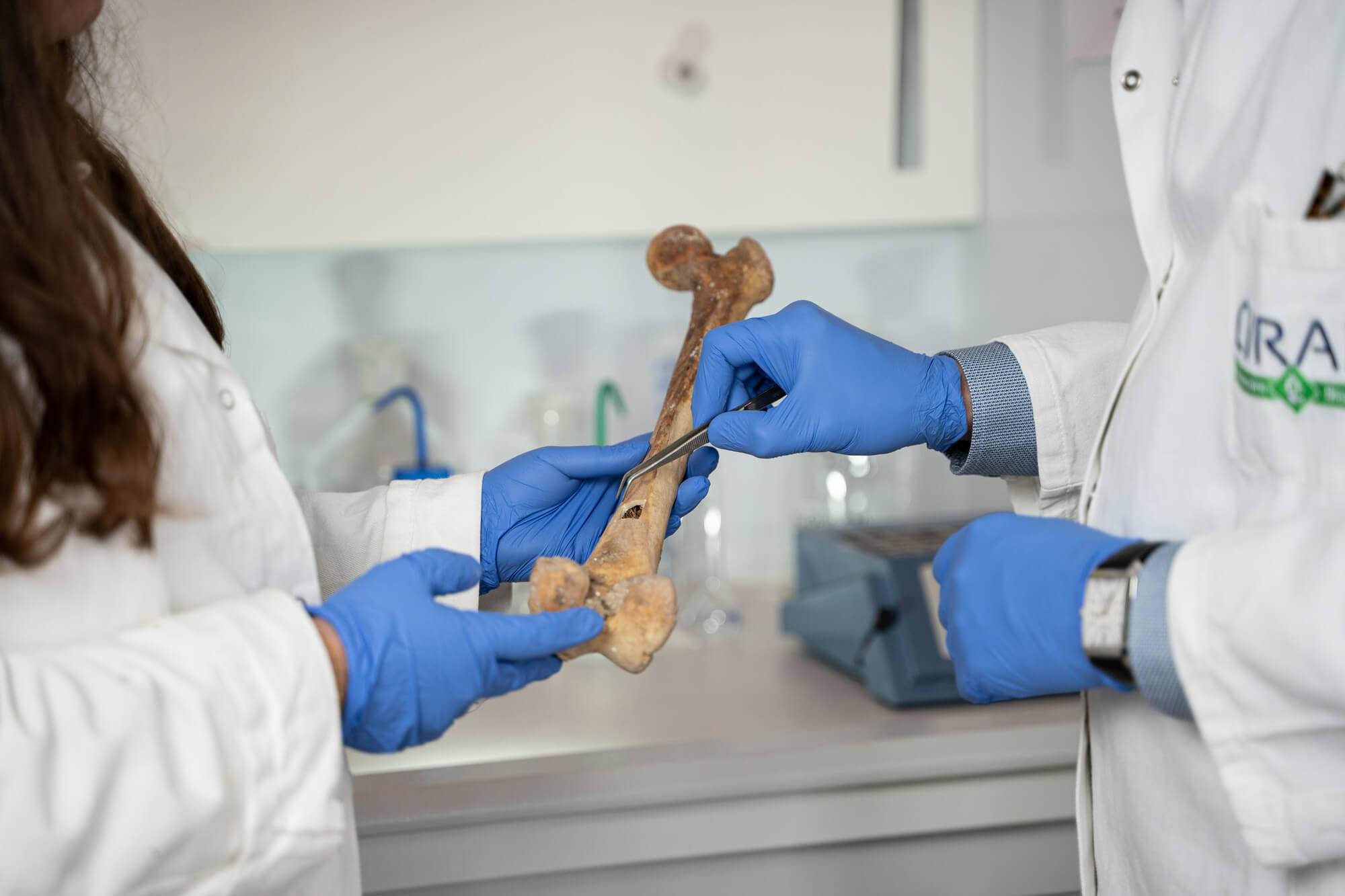
This technique transforms bones into records of movement, diet, and environment—essentially creating a “biological diary” of a person’s life.
What Are Isotopes?
Isotopes are chemical signatures found in elements like oxygen, carbon, and strontium. These signatures vary depending on geography, climate, and diet.
When humans consume food and water, isotopes are absorbed into their bodies and stored in bones and teeth. Because different regions have distinct isotope patterns, scientists can analyze these traces to determine where a person lived at different stages of life.
For example:
Teeth reflect childhood environment
Bones reflect later life
This allows researchers to track movement across time.
Following Viking Journeys
The Vikings are often remembered as fierce raiders, but they were also traders, explorers, and settlers who traveled vast distances.
Isotope analysis has revealed that some individuals buried in Scandinavia were not local at all. Instead, they had origins in distant regions such as:
The British Isles
Eastern Europe
Even parts of Asia
In some cases, a single skeleton shows evidence of movement across multiple regions, confirming that Viking mobility was extensive and complex.
Diet as a Clue
Isotopes also provide insight into diet. By analyzing carbon and nitrogen levels, scientists can determine whether someone consumed:
Marine-based foods like fish
Land-based foods like livestock and crops
Many Viking individuals show a mixed diet, reflecting both farming and seafaring lifestyles.
Challenging Old Assumptions
Traditional views of the Vikings often portray them as a homogenous group of Scandinavian warriors. Isotope evidence tells a different story.
It reveals a diverse and interconnected world, where people moved frequently and interacted with multiple cultures. Some individuals buried with Viking customs may not have been ethnically Scandinavian at all.
A More Human Story
Perhaps the most powerful aspect of isotope analysis is its ability to humanize the past. Instead of anonymous figures, we begin to see individuals with unique life paths—people who traveled, adapted, and experienced different environments.
Science Meets History
By combining isotope data with archaeological evidence, researchers can create detailed narratives of individual lives.
A Viking warrior is no longer just a symbol of conquest—he becomes a traveler, a trader, and a participant in a vast network of cultural exchange.
Reconstructing the Past, One Life at a Time
Isotope analysis is transforming archaeology from the study of objects into the study of people. It allows us to trace journeys across continents and understand how individuals fit into broader historical patterns.
In doing so, it brings us closer than ever to the lived experiences of the past.