Socotra Island, located in the Arabian Sea near the Horn of Africa, has long fascinated ancient travelers due to its isolation and unusual natural features. Known to Greek and Roman writers as Dioscorida, the island was strategically positioned along major maritime trade routes connecting the Mediterranean, Arabia, India, and East Africa. Because of this location, Socotra became an important stopover for merchants navigating the monsoon winds of the Indian Ocean.
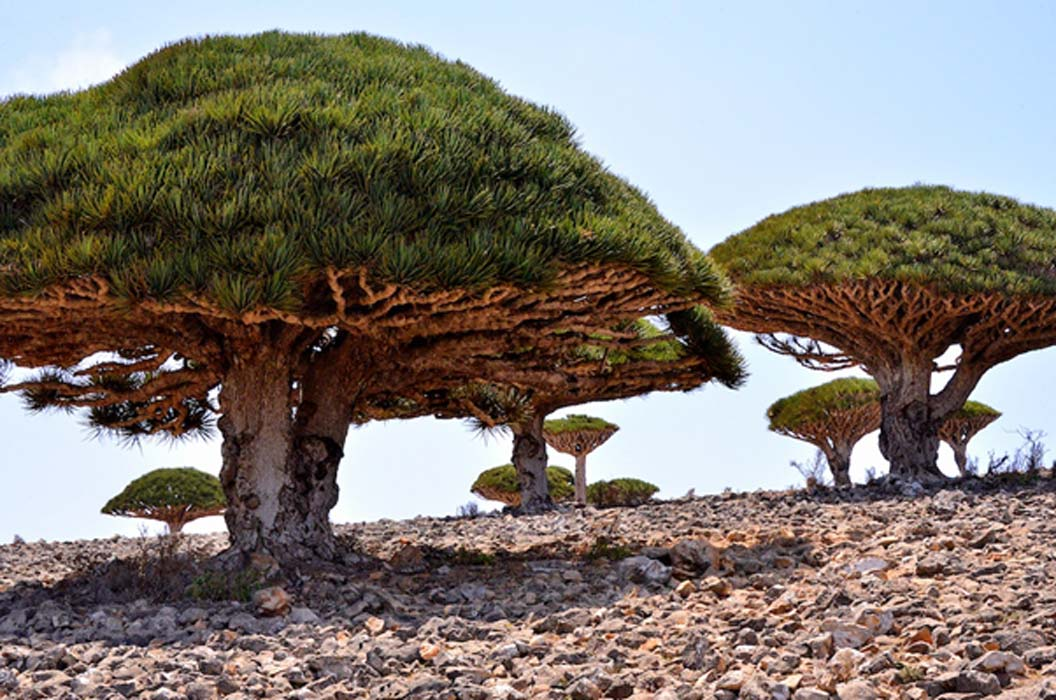
Ancient texts describe Socotra as a land rich in valuable natural resources, particularly frankincense, myrrh, aloe resin, and dragon’s blood—a deep red sap used in medicine, dyes, and rituals. These commodities made the island economically significant despite its small population. Merchants from Egypt, Rome, Persia, and India interacted with the island’s inhabitants, creating a unique blend of cultural influences.
Socotra was also surrounded by myth and mystery. Classical writers believed the island was inhabited by strange creatures and protected by supernatural forces. Some legends claimed it was settled by descendants of Alexander the Great, while others linked it to ancient serpent cults due to its unusual flora and fauna. These myths enhanced the island’s reputation as both sacred and dangerous.
Archaeological evidence shows that Socotra hosted early Christian communities, likely introduced by traders from the Near East. This religious presence demonstrates how the island functioned as a crossroads of belief systems as well as commerce. Even in antiquity, Socotra stood as a rare example of isolation combined with global connectivity.