Introduction
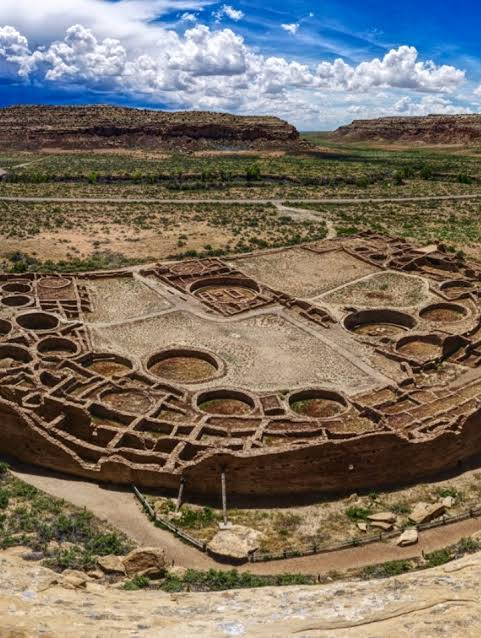
Abó is one of the three major sites preserved within Salinas Pueblo Missions National Monument in central New Mexico.
The site is particularly significant because it preserves both a large Pueblo settlement and the remains of a Spanish Franciscan mission.
The National Park Service identifies Pueblo occupation at Abó dating to approximately the thirteenth century, with evidence of interaction between Mogollon and Ancestral Pueblo traditions that contributed to the development of Tompiro culture.
The Pueblo
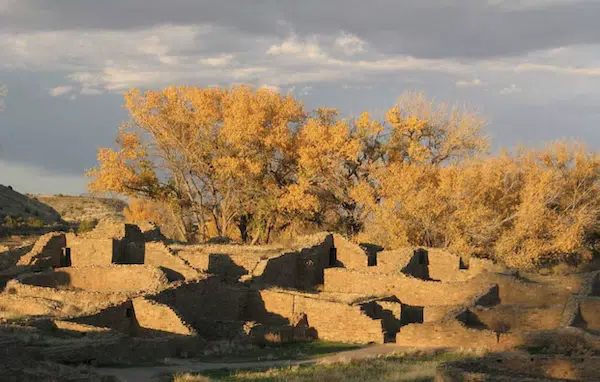
Abó was once a large and prosperous community.
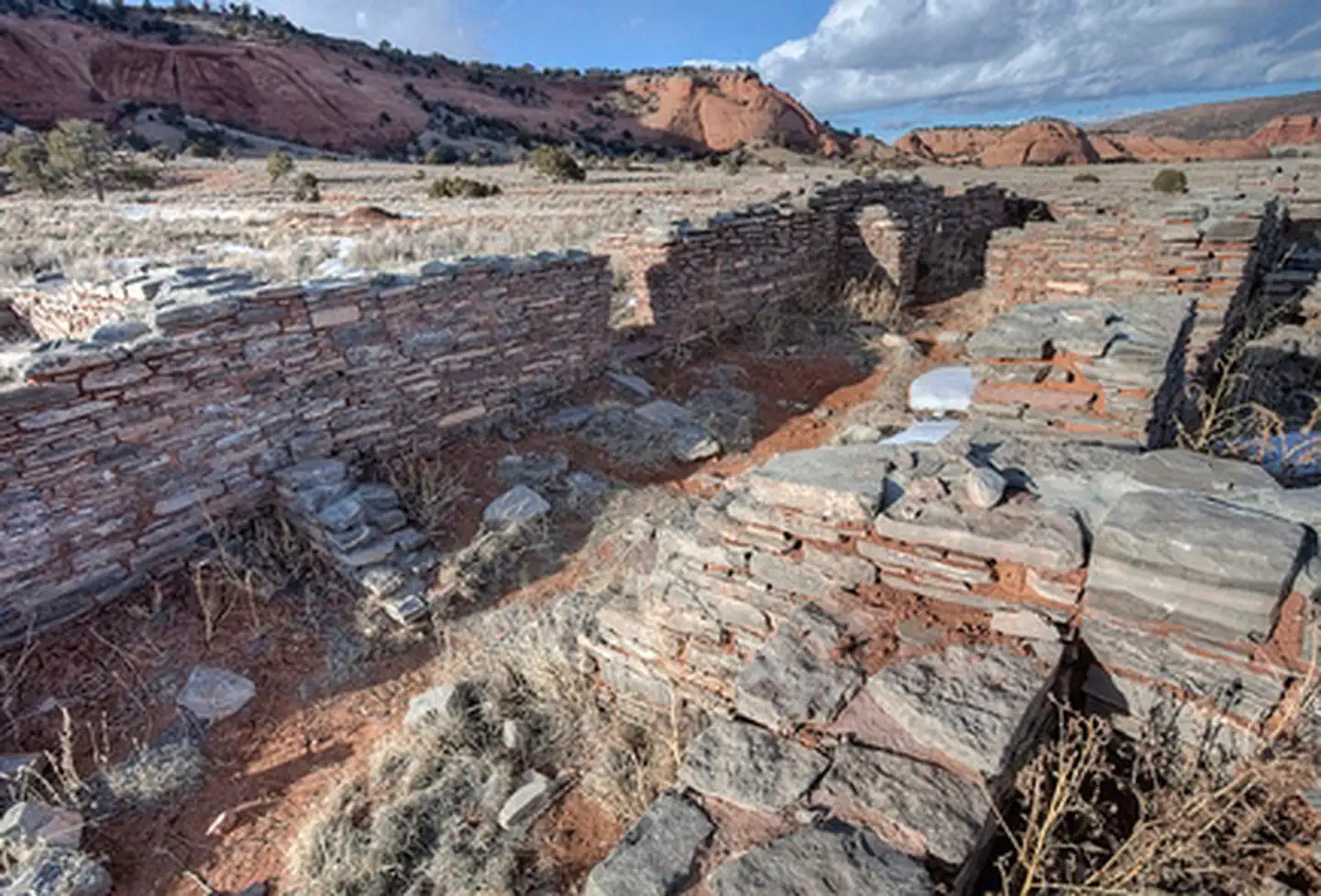
Its inhabitants constructed substantial masonry buildings.
Agriculture, hunting, gathering, craft production, and trade supported the settlement.
Trade
The Salinas region occupied an important position between the Rio Grande and the Great Plains.
Trade routes brought communities into contact with peoples from different ecological and cultural zones.
Salt was particularly important.
The nearby saline environments provided a valuable resource that could be exchanged with neighboring communities.
Tompiro Culture
The people associated with Abó spoke a language identified by archaeologists as Tompiro.
Their culture reflected interaction between different Southwestern traditions.
This illustrates that cultural identity in the ancient Southwest could be complex and dynamic.
Spanish Arrival
Spanish colonization transformed the region.
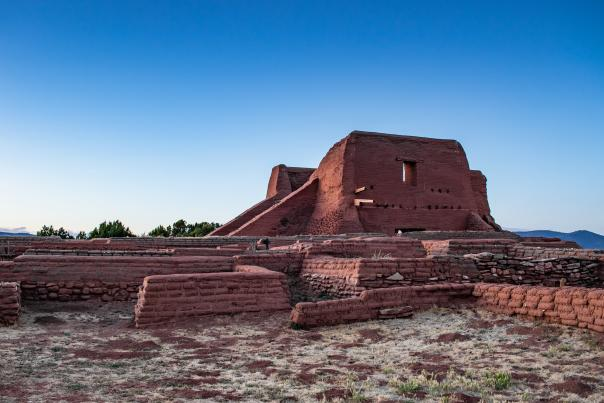
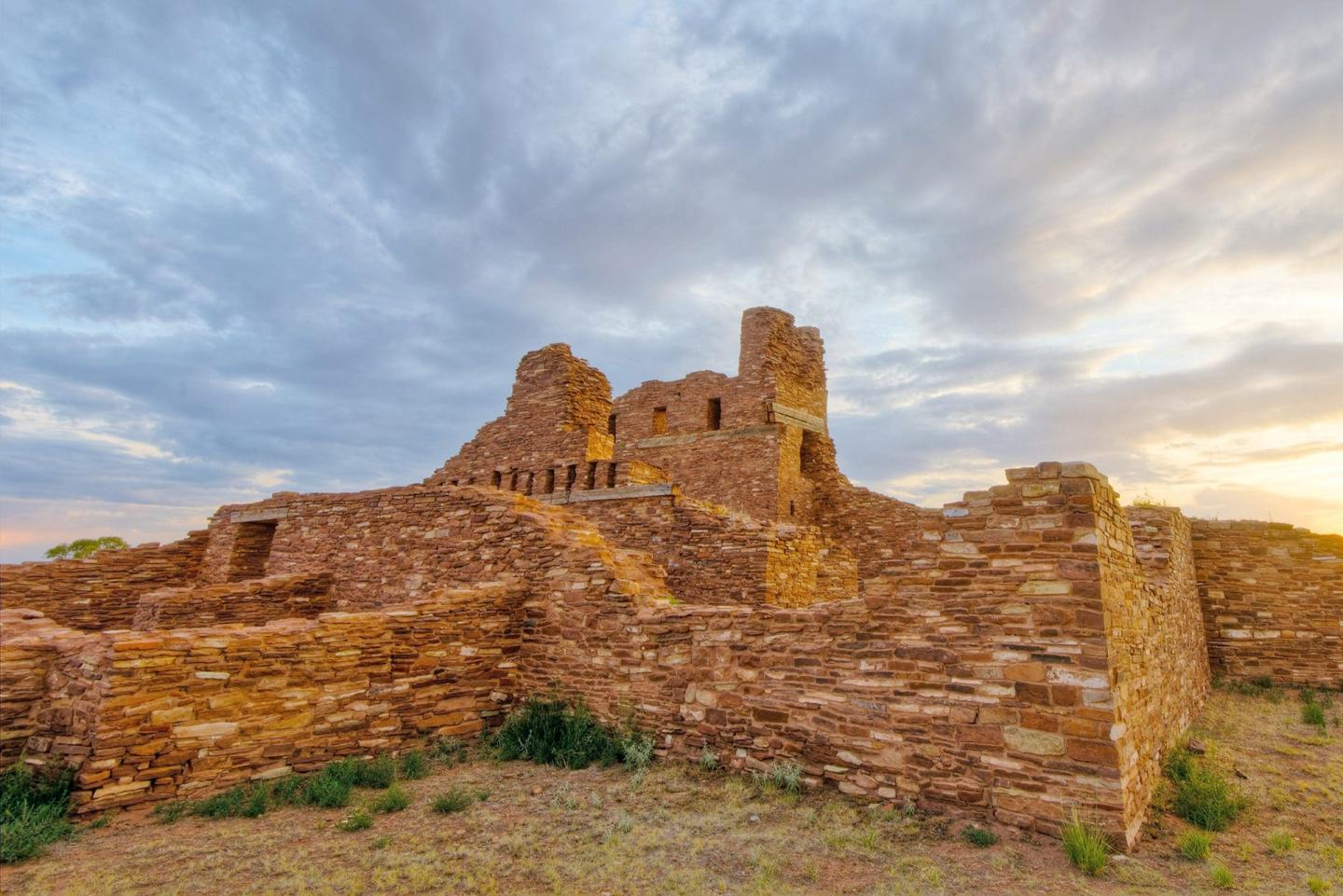
Franciscan missionaries established a mission at Abó.
The mission church was constructed using local stone and Indigenous labor.
Its massive walls remain among the most impressive Spanish colonial ruins in New Mexico.
Cultural Interaction
The mission was not simply a European structure placed into an empty landscape.
It was built within an existing Pueblo community.
Indigenous people participated in construction and lived within a society increasingly shaped by Spanish colonial institutions.
This created both cultural exchange and profound conflict.
Abandonment
The Salinas communities experienced severe pressures during the seventeenth century.
Drought, famine, disease, Apache raids, and colonial pressures contributed to the eventual abandonment of the settlements.
The National Park Service notes that only a portion of the original Pueblo buildings at Abó remain visible today, while many remain unexcavated.
Archaeological Importance
Abó preserves multiple historical layers.
The Pueblo represents Indigenous history.
The mission represents Spanish colonial history.
The landscape preserves evidence of agricultural, economic, religious, and political change.
Conclusion
Abó is important precisely because it cannot be understood from a single perspective.
It is simultaneously a Pueblo archaeological site, a colonial mission landscape, and a record of Indigenous resilience.
Its ruins demonstrate how dramatically life changed in New Mexico after Spanish colonization.