Introduction
The Galisteo Basin of northern New Mexico contains an extraordinary concentration of archaeological sites representing centuries of Puebloan occupation.
The basin was not simply a collection of isolated villages.
It was a regional landscape in which communities interacted through agriculture, trade, migration, ritual, and social networks.
Pueblo Villages
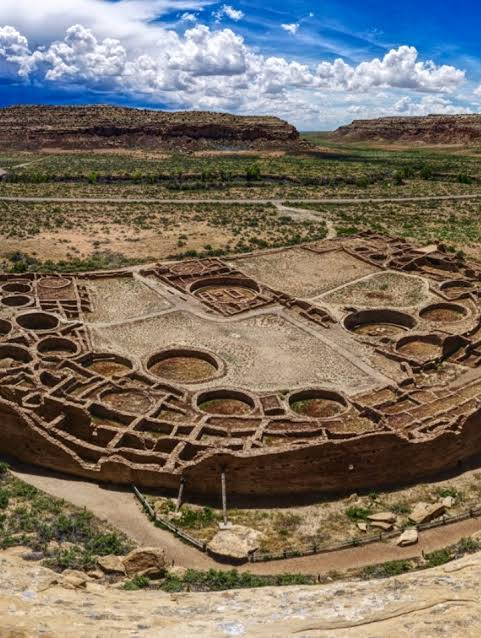
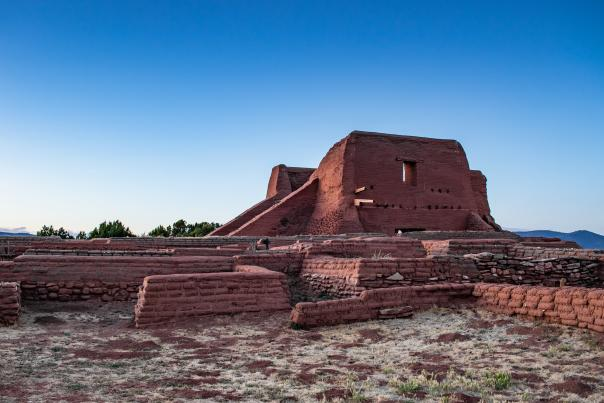
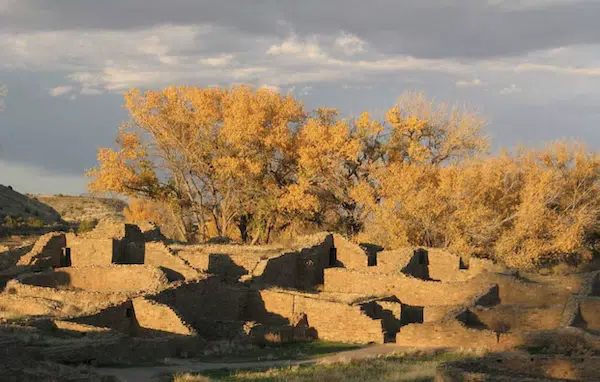
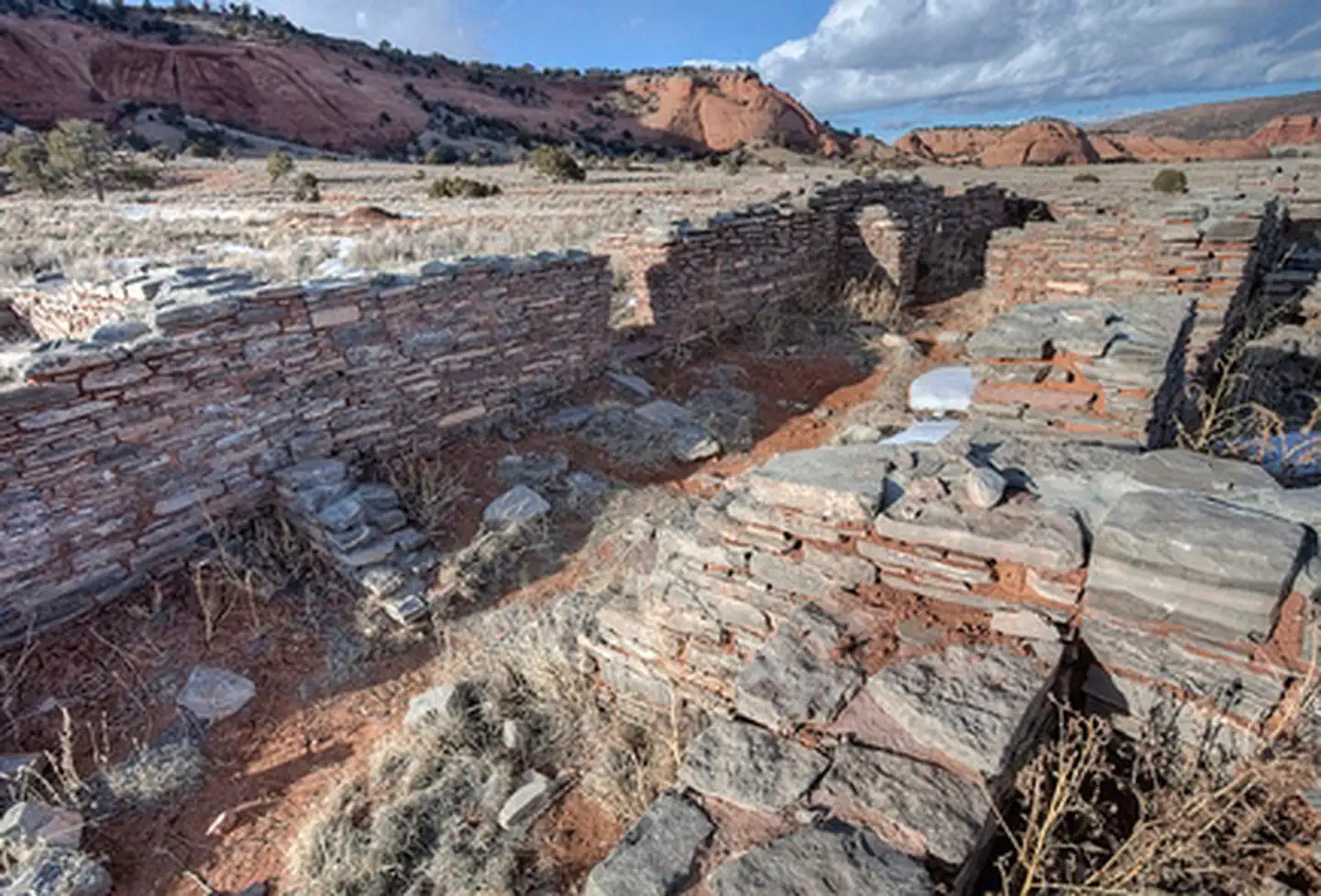
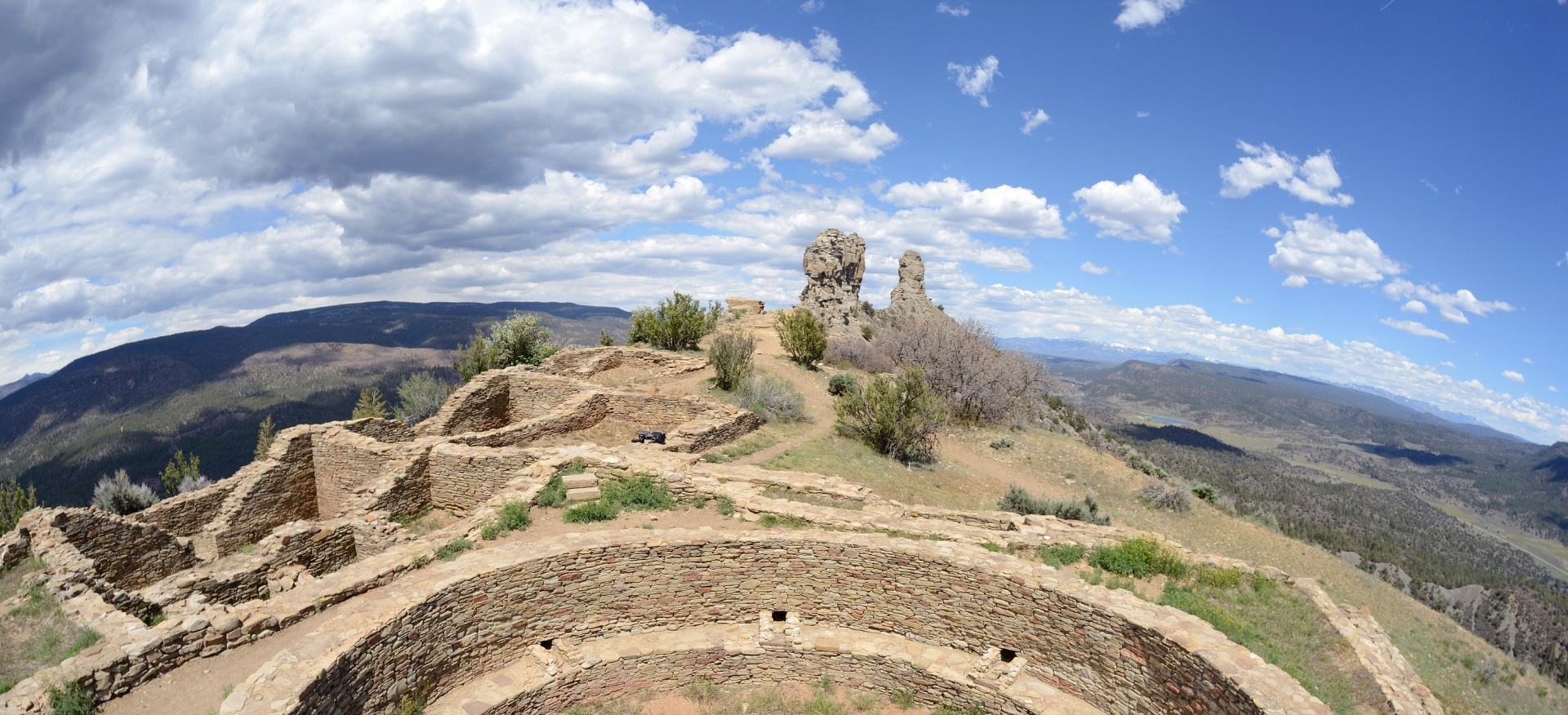
Many settlements contained masonry structures, plazas, and ceremonial facilities.
The presence of kivas is particularly significant.
Kivas are ceremonial structures associated with Pueblo communities.
They often occupy central positions within settlements.
Agriculture
The basin's communities depended heavily on agriculture.
Corn, beans, and squash formed the foundation of the diet.
Farming was supplemented by hunting and gathering.
Because rainfall was variable, farmers needed detailed knowledge of soils, seasonal precipitation, and water availability.
Kivas
Kivas could function as important spaces for communal ceremonies.
Architectural features sometimes include benches, hearths, and central elements.
The exact practices performed within them varied through time and between communities.
Regional Interaction
Galisteo Basin communities participated in extensive exchange networks.
Pottery styles provide important evidence.
Ceramic similarities can indicate trade or shared cultural traditions.
Movement of people could also bring new architectural practices.
Migration
The basin experienced changing settlement patterns.
Some villages expanded.
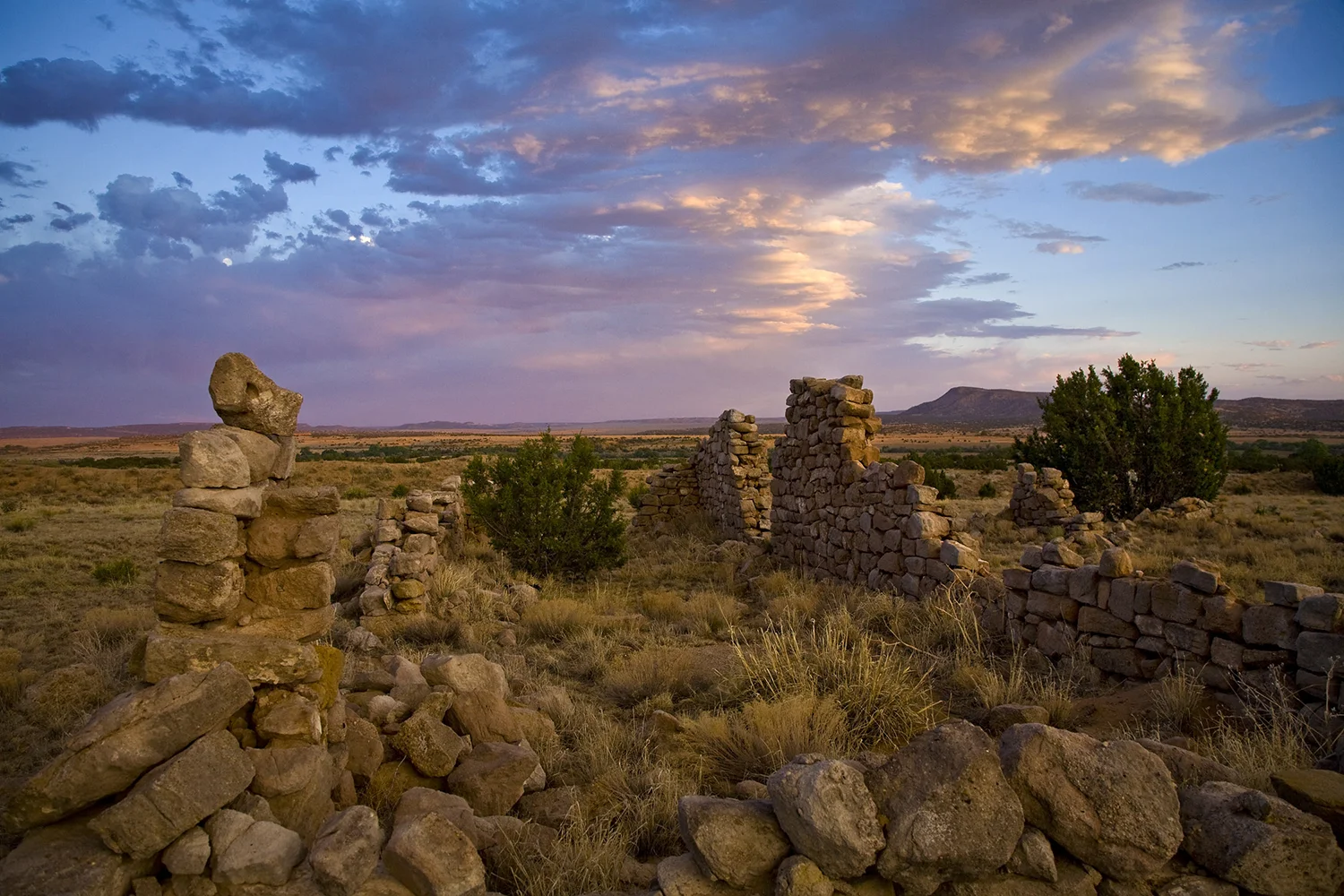
Others were abandoned.
Population movement was a recurring feature of Southwestern history.
Abandonment therefore should not be interpreted as cultural disappearance.
People frequently relocated to other communities.
Archaeological Preservation
Many archaeological sites in the basin remain only partially excavated.
This is important because excavation itself is destructive.
Once archaeological layers are removed, their original spatial relationships are difficult to reconstruct.
Modern archaeology therefore increasingly emphasizes non-destructive methods and careful preservation.
Conclusion
Galisteo Basin demonstrates the complexity of Puebloan settlement systems.
Its villages, kivas, agricultural fields, and trade networks reveal a region shaped by cooperation, movement, environmental adaptation, and cultural continuity.