• MAIN PAGE
  • LATEST NEWS
    • Lost Cities
    • Archaeology's Greatest Finds
    • Underwater Discoveries
    • Greatest Inventions
    • Studies
    • Blog
  • PHILOSOPHY
  • HISTORY
  • RELIGIONS
    • Africa
    • Anatolia
    • Arabian Peninsula
    • Balkan Region
    • China - East Asia
    • Europe
    • Eurasian Steppe
    • Levant
    • Mesopotamia
    • Oceania - SE Asia
    • Pre-Columbian Civilizations of America
    • Iranian Plateau - Central Asia
    • Indus Valley - South Asia
    • Japan
    • The Archaeologist Editor Group
    • Scientific Studies
    • Aegean Prehistory
    • Historical Period
    • Byzantine Middle Ages
    • Predynastic Period
    • Dynastic Period
    • Greco-Roman Egypt
  • Rome
  • PALEONTOLOGY
  • About us
Menu

The Archaeologist

  • MAIN PAGE
  • LATEST NEWS
  • DISCOVERIES
    • Lost Cities
    • Archaeology's Greatest Finds
    • Underwater Discoveries
    • Greatest Inventions
    • Studies
    • Blog
  • PHILOSOPHY
  • HISTORY
  • RELIGIONS
  • World Civilizations
    • Africa
    • Anatolia
    • Arabian Peninsula
    • Balkan Region
    • China - East Asia
    • Europe
    • Eurasian Steppe
    • Levant
    • Mesopotamia
    • Oceania - SE Asia
    • Pre-Columbian Civilizations of America
    • Iranian Plateau - Central Asia
    • Indus Valley - South Asia
    • Japan
    • The Archaeologist Editor Group
    • Scientific Studies
  • GREECE
    • Aegean Prehistory
    • Historical Period
    • Byzantine Middle Ages
  • Egypt
    • Predynastic Period
    • Dynastic Period
    • Greco-Roman Egypt
  • Rome
  • PALEONTOLOGY
  • About us

Africa Is Splitting Into Two Continents

February 1, 2026

The Birth of a New Ocean: Africa’s Rift That Is Changing the Planet

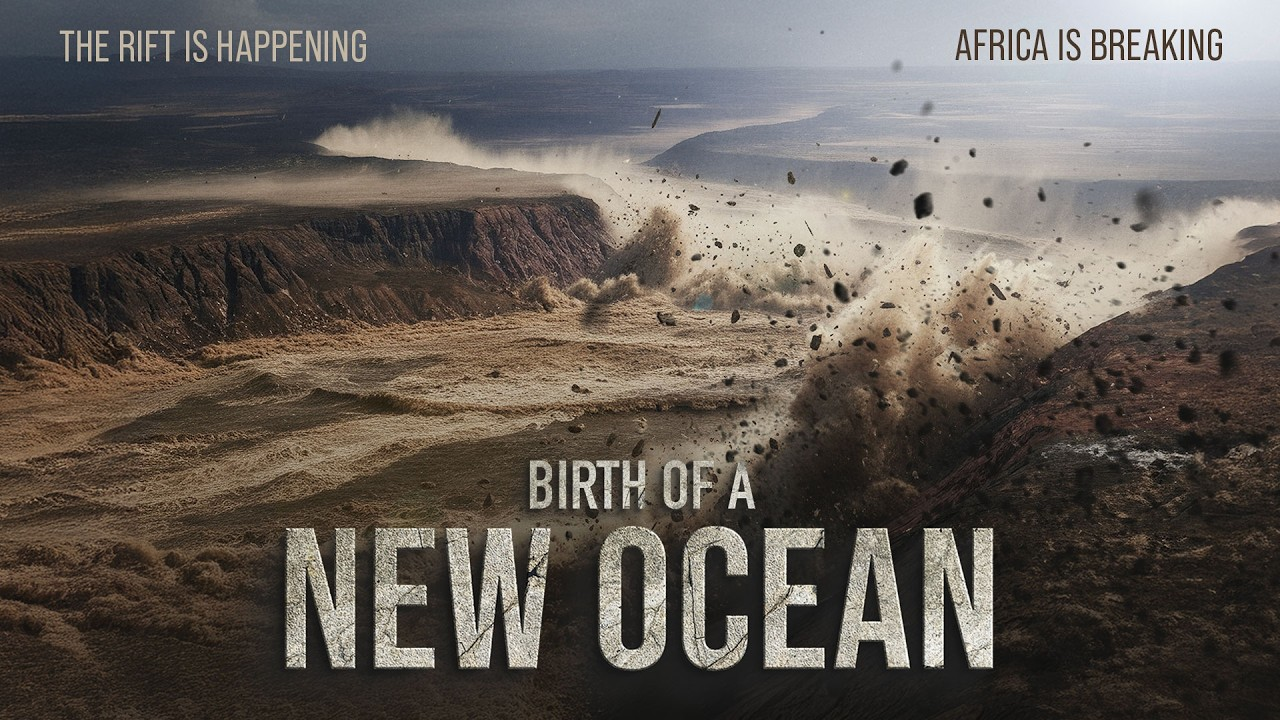
A new ocean is forming in Africa — and for the first time in human history, scientists are able to witness the birth of an ocean in real time.

Deep beneath Ethiopia’s Afar region, the Earth’s crust is slowly tearing apart. Tectonic plates are separating, magma is rising from the mantle, and the continent itself is beginning to split. What is happening beneath this arid landscape could eventually give rise to the world’s newest ocean, transforming deserts into coastlines and reshaping Africa’s geography forever.

Where Continents Break Apart

At the heart of this process lies the East African Rift System, one of the most active and complex geological zones on Earth. Stretching thousands of kilometers across eastern Africa, this rift marks the boundary where tectonic plates are pulling away from one another. Over millions of years, this slow but relentless movement thins the crust, allowing molten rock to rise and new landforms to emerge.

Scientists studying the region use seismic data, satellite imagery, and geological and oceanographic research to peer beneath the surface. Their findings point to a powerful mantle plume beneath Africa, a column of hot material rising from deep within the Earth that is driving the breakup of the continent.

Volcanoes, Fissures, and Real-Time Change

This process is not just theoretical — it is happening now. The Hali Y Gubbi eruption in the Afar region recently opened new fissures and spread fresh basalt across the landscape, offering a rare, real-time glimpse into how rifting progresses. Events like this mirror the forces that once split ancient supercontinents and paved the way for oceans like the Atlantic.

One of the most dramatic moments occurred in 2005, when a massive rift event in Ethiopia caused the ground to crack open over dozens of kilometers in a matter of days. These sudden ruptures reveal just how dynamic and active the region remains.

A Glimpse Into Earth’s Deep Past — and Future

The same geological process that once created the Atlantic Ocean is unfolding again in Africa. While the formation of a full ocean basin will take millions of years, the early stages are already visible today. This makes the East African Rift one of the most important natural laboratories on the planet — a place where scientists can watch continents split apart and oceans begin their life cycle.

What stands today as desert may one day lie beneath rolling waves, reminding us that Earth’s surface is never truly fixed, only temporarily familiar.

Explore the science, eruptions, and tectonic forces behind the birth of a new ocean in the video below:
https://www.youtube.com/watch?v=Gq6iW0im044

← Deadly Storm Surge Reveals Ancient Lost City!Why Does the Man In This 2000 Year Old Mummy Portrait Look So Familiar? →
Featured
image_2026-02-01_210222848.png
Feb 1, 2026
Mysterious Hominins Overlapped with Homo sapiens on Sulawesi
Feb 1, 2026
Read More →
Feb 1, 2026
image_2026-02-01_205728265.png
Feb 1, 2026
Deadly Storm Surge Reveals Ancient Lost City!
Feb 1, 2026
Read More →
Feb 1, 2026
image_2026-02-01_205201500.png
Feb 1, 2026
Africa Is Splitting Into Two Continents
Feb 1, 2026
Read More →
Feb 1, 2026
WEBQ_EzUITM-SD.jpg
Feb 1, 2026
Why Does the Man In This 2000 Year Old Mummy Portrait Look So Familiar?
Feb 1, 2026
Read More →
Feb 1, 2026
image_2026-02-01_115311737.png
Feb 1, 2026
Science news this week: 'Cloud People' tomb found in Mexico, pancreatic cancer breakthrough, and the AI swarms poised to take over social media
Feb 1, 2026
Read More →
Feb 1, 2026
image_2026-02-01_115200771.png
Feb 1, 2026
5,000-Year-Old Sinai Inscription Identified as Earliest Known Visual Display of Political Domination
Feb 1, 2026
Read More →
Feb 1, 2026
read more

Powered by The archaeologist