The Rediscovery of Alexandria on the Tigris: A Lost City of Alexander the Great
A Legendary Conqueror and His Cities
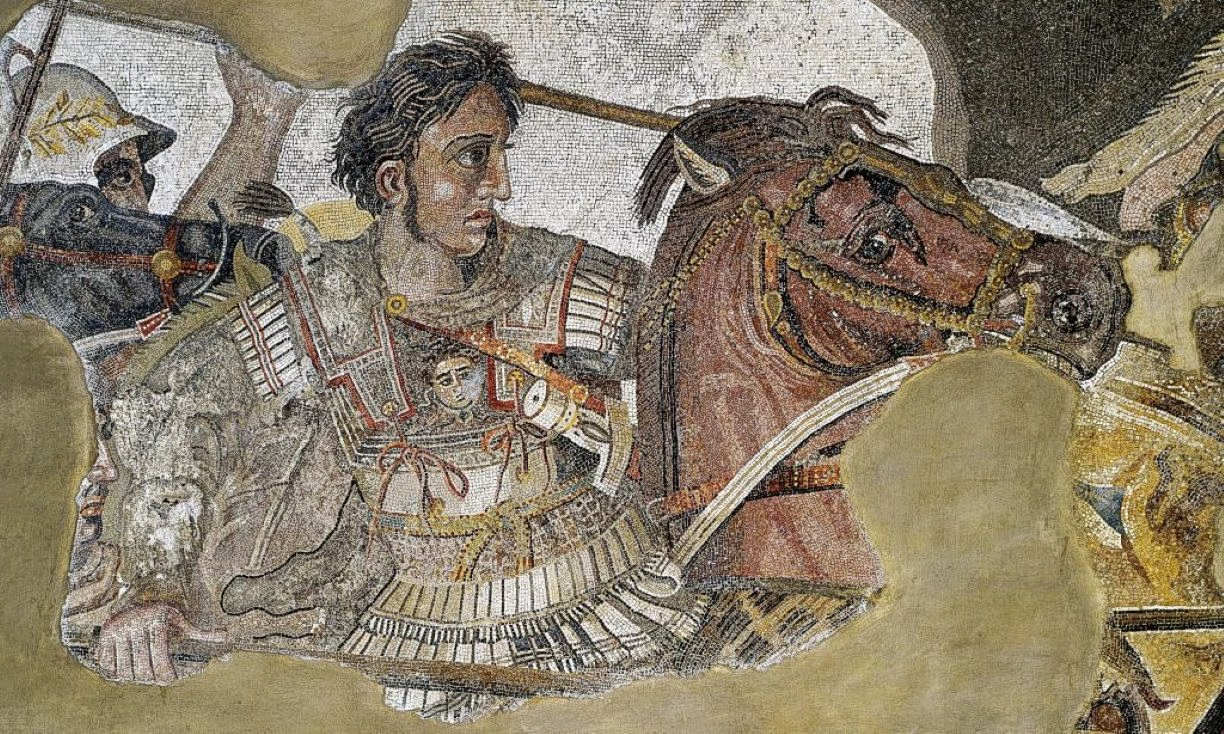
Alexander the Great is widely regarded as one of history’s greatest military strategists. During his remarkable campaigns across Asia and the conquest of the Persian Empire, he established numerous cities—many of them named Alexandria in his honor. Historians estimate that more than 70 settlements bearing his name were founded during his lifetime.
One of these cities, long believed lost to history, has now been rediscovered by archaeologists after more than two millennia.
The Discovery of Alexandria on the Tigris
The ancient city, known as Alexandria on the Tigris, has been confirmed at a strategic location in southern Iraq, close to the Persian Gulf. The city stood along the Tigris River, one of the two great rivers that defined the civilization of Mesopotamia.
Founded in the 4th century BC by Alexander himself, the city served as a vital trading center. Its location allowed it to link the commercial networks of India, Mesopotamia, and the Mediterranean, making it an important hub for merchants and travelers moving between East and West.
Sixteen Years of Archaeological Investigation
The rediscovery was the result of a long-term archaeological project that lasted 16 years. Researchers used modern tools such as high-resolution aerial imaging and drones to examine the landscape and identify buried structures.
These technologies allowed archaeologists to map the city’s defensive walls and street layout. The results revealed a carefully planned urban grid and the impressive scale of what was once a thriving metropolis.
Remarkably Preserved Despite Flooding
According to archaeologist Stefan R. Hauser, the site experienced repeated flooding over the centuries. Surprisingly, these natural events did not completely destroy the settlement.
Instead, much of the ancient city remained preserved beneath layers of sediment. Hauser described the survival of the ruins as almost miraculous.
Temples, Workshops, and Urban Life
Excavations have uncovered several important structures, including temples, workshops, kilns, and furnaces. These discoveries provide insight into both the religious practices and industrial activities of the city’s inhabitants.
One of the most striking findings is the unusually large size of the city blocks. According to Hauser, the blocks are even larger than those found in major capitals of the period, such as Seleucia on the Tigris and Alexandria.
A Vast Ancient Metropolis
Archaeologists estimate that Alexandria on the Tigris covered approximately 2.5 square miles, a size that Hauser describes as enormous for an ancient city.
Geophysical surveys have also revealed that many structures lie just beneath the surface. Because of this shallow depth, researchers were able to identify building walls quickly, leading to exceptionally clear results during exploration.
A New Chapter in Ancient History
The rediscovery of Alexandria on the Tigris provides valuable insight into the urban planning, trade networks, and influence of Alexander’s empire. More importantly, it highlights how advanced archaeological techniques can bring long-lost cities back into the historical record.
As excavation continues, researchers hope to learn even more about daily life in this once-bustling center of commerce—one of the many cities that carried the legacy of Alexander the Great across the ancient world.