Greece’s Most Enigmatic Tomb
In northern Greece, the massive burial complex at Kasta Tomb has puzzled archaeologists for over a decade. First revealed to global attention in 2014, the site quickly became one of the most intriguing discoveries in modern archaeology.
The tomb’s monumental scale and elaborate decoration suggest it belonged to someone of extraordinary importance—possibly connected to the era of Alexander the Great.
A Monument of Power and Prestige
The Kasta Mound is the largest burial structure ever found in Greece. Its features include:
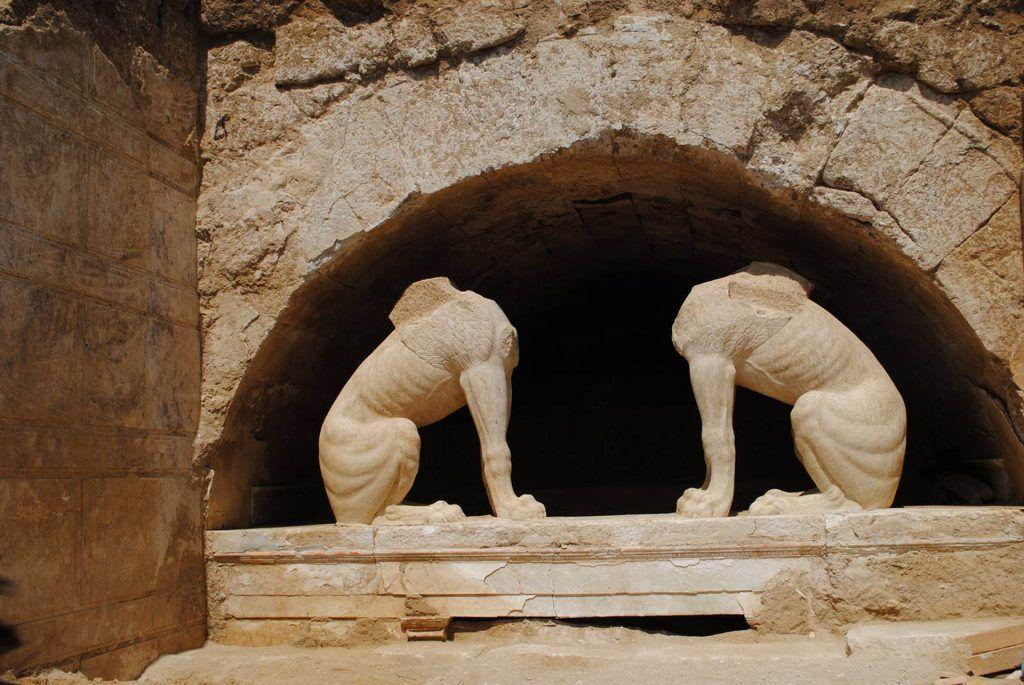
Marble sphinxes guarding the entrance
Caryatid statues supporting inner chambers
Intricate floor mosaics depicting mythological scenes
These elements reflect both artistic excellence and immense wealth.
Who Was Buried There?
The central mystery remains: who was the tomb built for?
Theories have included:
A close relative or general of Alexander the Great
A high-ranking noble or royal figure
A symbolic monument rather than a single burial
Despite extensive research, no definitive answer has emerged.
A Decade of Scientific Investigation
Over the past ten years, archaeologists have used advanced techniques such as:
DNA analysis of skeletal remains
3D mapping of the structure
Material studies of marble and construction methods
Each study adds pieces to the puzzle, but the full story remains elusive.
Why the Mystery Endures
The Kasta Tomb continues to fascinate because it sits at the intersection of history and legend. It represents not just a burial site, but a window into the political and cultural world of ancient Macedonia.
Even after a decade, Amphipolis reminds us that some of history’s greatest secrets take time—and patience—to uncover.