A Device Ahead of Its Time
Discovered in a shipwreck off the coast of Greece, the Antikythera Mechanism has long been regarded as the world’s first analog computer.
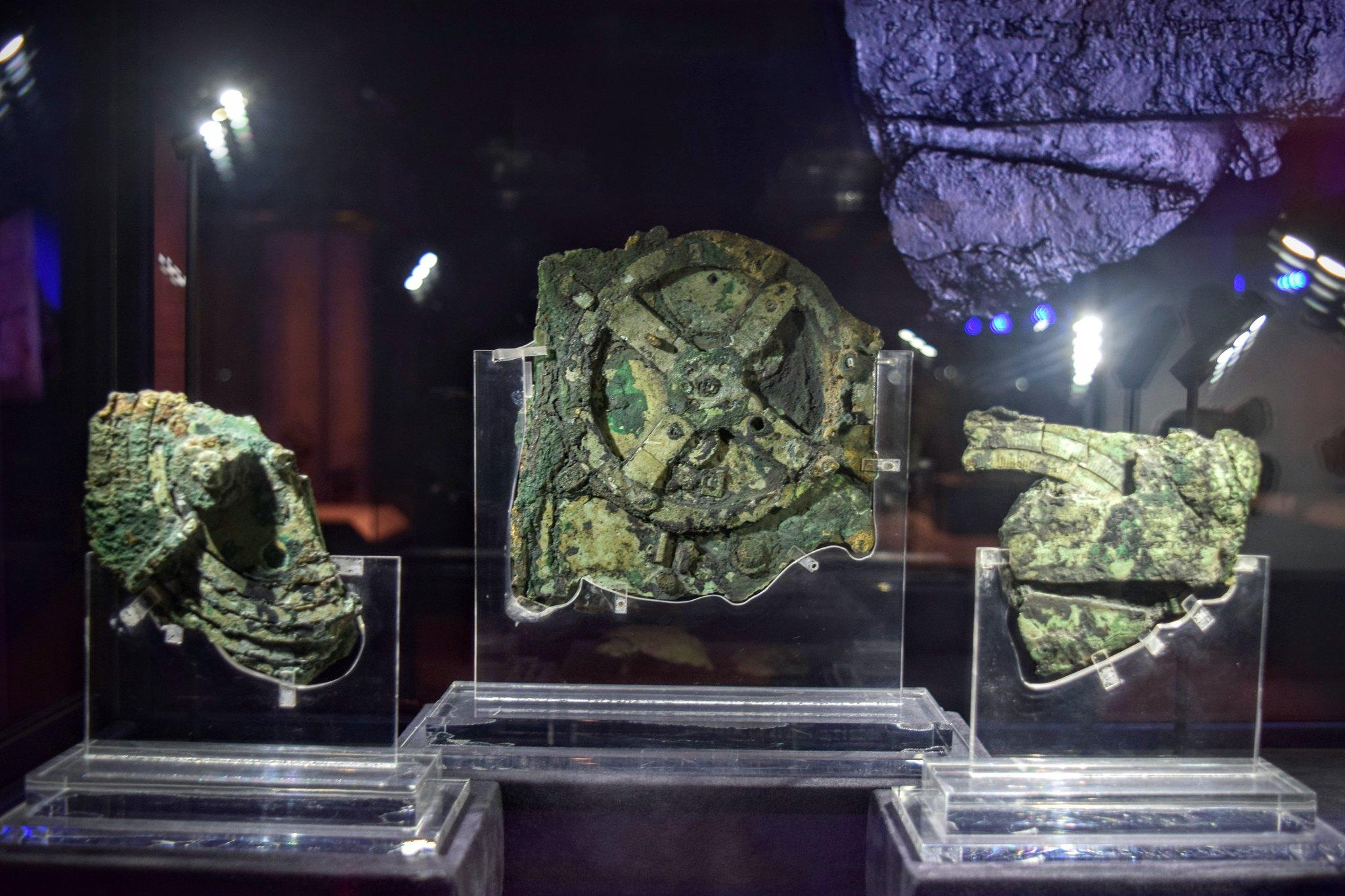
Dating to around 100 BCE, this intricate device was used to predict astronomical events—something once thought impossible for ancient technology.
How It Worked
The mechanism consisted of a complex system of bronze gears, dials, and inscriptions. By turning a handle, users could track:
Planetary movements
Solar and lunar cycles
Eclipses
It functioned as a portable model of the cosmos.
New Discoveries and Insights
Recent studies using advanced imaging techniques have revealed that the mechanism is even more complex than previously believed.
Researchers have identified:
Additional gear systems
Detailed inscriptions explaining its use
Evidence of highly advanced mathematical knowledge
A Technological Mystery
What makes the Antikythera Mechanism so remarkable is not just its sophistication—but its uniqueness. No other device of similar complexity has been found from the same period.
This raises important questions:
Was this technology more widespread than we think?
Or was it a one-of-a-kind invention?
Changing Our View of the Ancient World
The Antikythera Mechanism challenges the idea that ancient societies lacked advanced technology. Instead, it reveals a world where science, engineering, and astronomy were far more developed than previously imagined.