• MAIN PAGE
  • LATEST NEWS
    • Lost Cities
    • Archaeology's Greatest Finds
    • Underwater Discoveries
    • Greatest Inventions
    • Studies
    • Blog
  • PHILOSOPHY
  • HISTORY
  • RELIGIONS
    • Africa
    • Anatolia
    • Arabian Peninsula
    • Balkan Region
    • China - East Asia
    • Europe
    • Eurasian Steppe
    • Levant
    • Mesopotamia
    • Oceania - SE Asia
    • Pre-Columbian Civilizations of America
    • Iranian Plateau - Central Asia
    • Indus Valley - South Asia
    • Japan
    • The Archaeologist Editor Group
    • Scientific Studies
    • Aegean Prehistory
    • Historical Period
    • Byzantine Middle Ages
    • Predynastic Period
    • Dynastic Period
    • Greco-Roman Egypt
  • Rome
  • PALEONTOLOGY
  • About us
Menu

The Archaeologist

  • MAIN PAGE
  • LATEST NEWS
  • DISCOVERIES
    • Lost Cities
    • Archaeology's Greatest Finds
    • Underwater Discoveries
    • Greatest Inventions
    • Studies
    • Blog
  • PHILOSOPHY
  • HISTORY
  • RELIGIONS
  • World Civilizations
    • Africa
    • Anatolia
    • Arabian Peninsula
    • Balkan Region
    • China - East Asia
    • Europe
    • Eurasian Steppe
    • Levant
    • Mesopotamia
    • Oceania - SE Asia
    • Pre-Columbian Civilizations of America
    • Iranian Plateau - Central Asia
    • Indus Valley - South Asia
    • Japan
    • The Archaeologist Editor Group
    • Scientific Studies
  • GREECE
    • Aegean Prehistory
    • Historical Period
    • Byzantine Middle Ages
  • Egypt
    • Predynastic Period
    • Dynastic Period
    • Greco-Roman Egypt
  • Rome
  • PALEONTOLOGY
  • About us

Ancient Astronomy and the Knowledge of the Stars

March 12, 2026

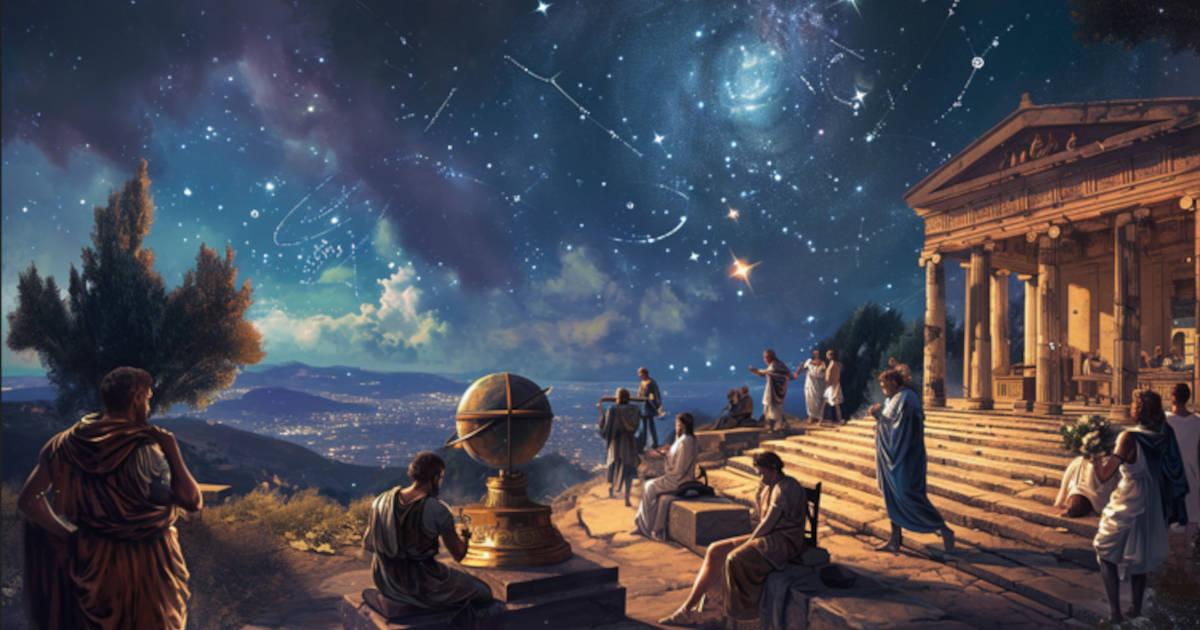
For ancient civilizations, the night sky served as both a scientific resource and a spiritual symbol. By carefully observing the movement of stars and planets, early astronomers developed sophisticated knowledge of celestial cycles.

In Mesopotamia, priests meticulously recorded astronomical observations on clay tablets. These records allowed them to predict eclipses and track planetary movements.

The ancient Egyptians aligned many monuments with celestial events. The pyramids at Giza appear to correspond with specific star patterns that held religious significance.

In Mesoamerica, civilizations such as the Maya constructed observatories designed to track the motion of Venus and other celestial bodies.

Astronomy also influenced calendars, agricultural planning, and religious festivals. By linking cosmic cycles to earthly events, ancient cultures created worldviews that connected humanity to the rhythms of the universe.

← Mystery Temples That Still Defy ExplanationThe Origins of the First Gods and Cosmic Beings →
Featured
image_2026-03-11_220247889.png
Mar 12, 2026
Ancient Machines: Technology Lost to Time
Mar 12, 2026
Read More →
Mar 12, 2026
image_2026-03-11_220201263.png
Mar 12, 2026
Atlantis: Myth, Memory, or History?
Mar 12, 2026
Read More →
Mar 12, 2026
image_2026-03-11_220106768.png
Mar 12, 2026
The True Age of the Pyramids: New Theories
Mar 12, 2026
Read More →
Mar 12, 2026
image_2026-03-11_220006506.png
Mar 12, 2026
Lost Civilizations Mentioned in Ancient Texts
Mar 12, 2026
Read More →
Mar 12, 2026
image_2026-03-11_215852509.png
Mar 12, 2026
Ancient Weapons of Legendary Power
Mar 12, 2026
Read More →
Mar 12, 2026
image_2026-03-11_215507511.png
Mar 12, 2026
Mystery Temples That Still Defy Explanation
Mar 12, 2026
Read More →
Mar 12, 2026
read more

Powered by The archaeologist