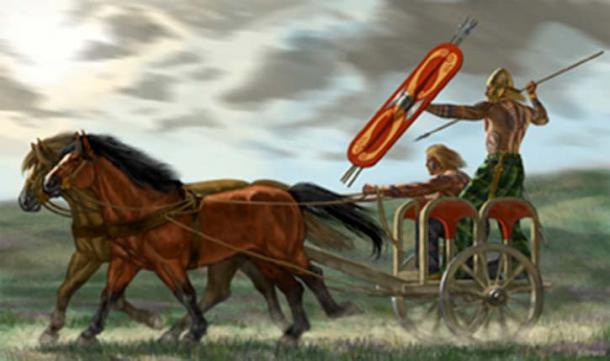
Ancient Celtic Chariots: The Technology of the Iron Age Warriors
Developed during the Iron Age, the Celtic war chariot is one of the most iconic symbols of ancient Celtic warrior culture. Mentioned by classical authors like Julius Caesar and described extensively in early Irish and British folklore, these fast, two-wheeled conveyances were not merely crude carts, but advanced triumphs of material engineering and powerful status symbols for the warrior elite.
1. The Design and Construction of Celtic Chariots
The design of the Celtic chariot—often called a carbad in early Irish literature—relied on lightweight, flexible materials that could absorb the shock of navigating rugged, uneven terrain.
Materials: The framework was typically constructed from flexible hardwoods like ash and oak. Wickerwork was often used for the sides of the chariot box (cret) to keep the weight to a minimum while maintaining structural integrity.
Joints and Suspension: Instead of using rigid metal nails or adhesives, builders bound the joints using wet rawhide. As the rawhide dried and shrank, it tightened, creating a highly durable, shock-absorbing frame.
Spoked Wheels: The wheels were a significant technological achievement, featuring up to 12 to 14 wooden spokes set into a bent-wood rim. Iron tires were heat-shrunk around the wooden wheel, clamping the structure tightly and protecting the wood from abrasion and rocky ground.
2. Battlefield Tactics and Social Function
Rather than functioning as heavy shock-cavalry or front-line battering rams, the Celtic chariot served primarily as a mobile, high-speed transport platform for elite warriors.
The Two-Man Crew: A typical chariot carried a driver (charioteer) and a warrior. The driver was responsible for maneuvering the horses, while the warrior engaged in combat.
Hit-and-Run Tactics: As documented by Julius Caesar during his campaigns in Britain, Celtic warriors would ride up and down the battle lines throwing javelins to disrupt the enemy's ranks. When the warrior wished to engage in close combat, they would dismount, fight with a long sword, and return to the chariot for a rapid escape.
A Symbol of Prestige: Maintaining a chariot, the harness gear, and a dedicated team of horses was extraordinarily expensive. Chariots served as a visual testament to the wealth and status of the Celtic aristocracy.
3. Artistic Adornment and Fittings
The fittings of the chariot and its horses were highly decorated, featuring the intricate, curvilinear motifs characteristic of La Tène art.
Harness Gear and Linchpins: The wheels were secured by linchpins made of iron or bronze, sometimes forged with stylized animal shapes or inlaid with coral and red enamel.
Acoustic Impact: The rumble of iron tires and the clatter of metal decorations added psychological weight to a chariot's approach, announcing the status of the warrior long before they reached the front line.
4. Archaeological Discoveries
While organic materials like wood rot quickly in acidic soil, vital components such as iron tires, linchpins, and bronze harness rings are regularly preserved in both continental Europe and the British Isles.
The Newbridge Chariot: Unearthed near Edinburgh, Scotland, this 5th-century BCE find is the oldest known chariot burial discovered in Britain. The burial rite and construction details mirrored similar elite graves in France and Belgium.