The Temple of the Feathered Serpent: Ritual Sacrifice in Teotihuacan
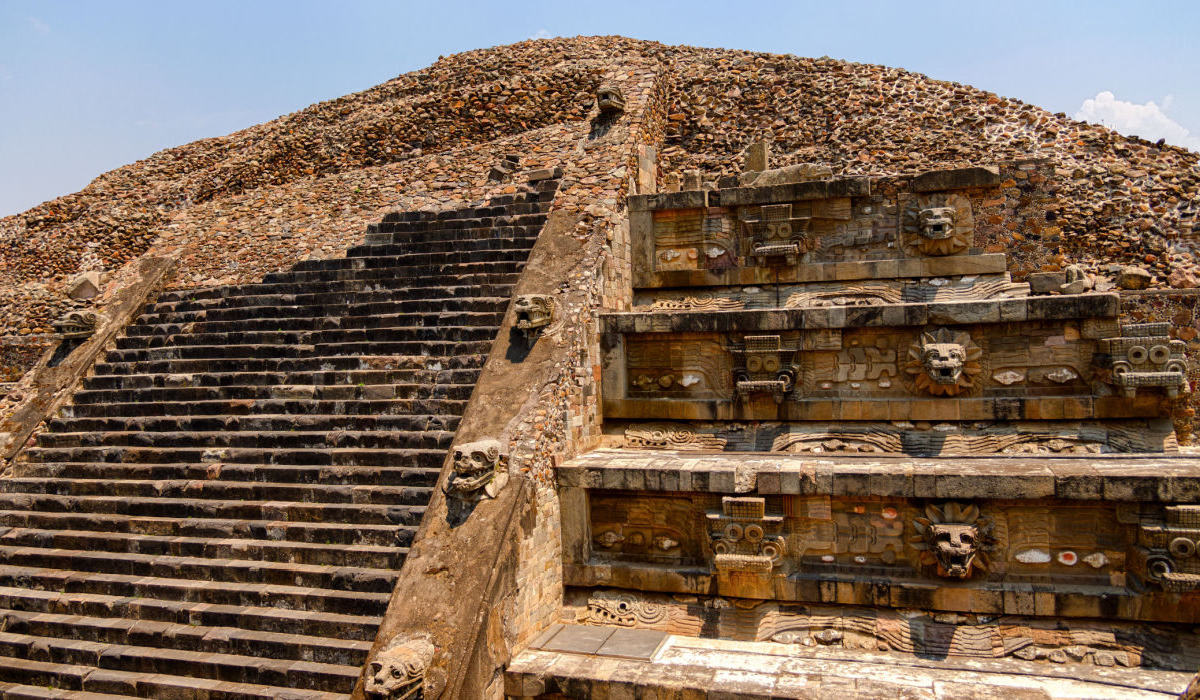
Located in the ancient Mesoamerican city of Teotihuacan, the Temple of the Feathered Serpent (also known as the Quetzalcoatl Pyramid) is one of the most striking and enigmatic architectural monuments in the Americas. Built around 200 CE, this six-tiered step pyramid is renowned not only for its intricate architectural design but also for the massive evidence of ritual sacrifice discovered within its structure, which sheds light on the state-sponsored ideology and cosmic beliefs of the Teotihuacan civilization.
1. Architecture and Iconography
The temple’s exterior is an exceptional example of monumental sculpture integrated into architecture. The façade features a repeating pattern of stone carvings that project outward, representing two distinct deities.
The Feathered Serpent: Alternating with the second deity, these sculptures depict a serpent adorned with elaborate, sweeping feathers, representing a primordial creator and rain-bringing deity.
The Goggle-Eyed Deity: Paired with the serpent is a fierce, fanged deity with large, circular eyes. Historically identified as Tlaloc (the rain god), many contemporary archaeologists now associate it with the Teotihuacan War Serpent, which symbolizes warfare, solar power, and state authority.
2. The Evidence of Mass Sacrifice
During extensive excavations in the 1980s, archaeologists discovered that the construction of the pyramid was accompanied by a series of massive dedicatory sacrifices. The victims were buried in groups at the four cardinal corners and the center of the structure.
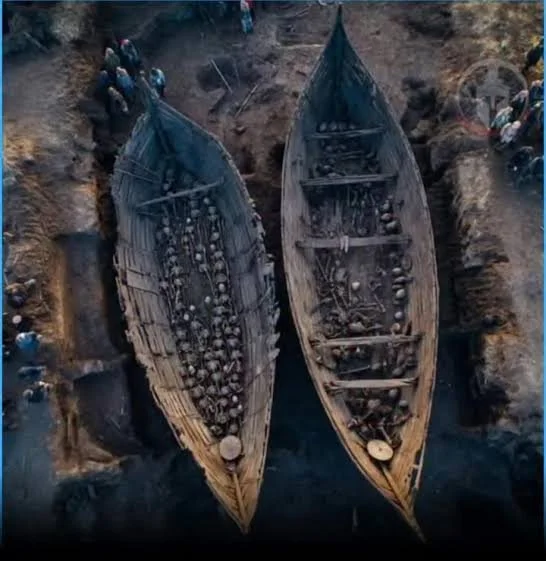
Positioning of the Victims: Over 200 skeletons were found with their hands bound behind their backs, indicating they were captives or sacrificial offerings. They were arranged symmetrically, often facing outward.
Status and Attire: The victims wore necklaces made of real human maxillae (upper jawbones) and animal teeth, as well as greenstone and shell ornaments, suggesting they were individuals of high status or captured enemy warriors.
Burial Goods: The graves contained a vast array of high-value offerings, including obsidian blades, stingray spines, and pottery, which were intended to accompany the victims into the afterlife.
3. Meaning and Sociopolitical Function
The sacrifices at the Temple of the Feathered Serpent were not random; they were highly orchestrated, state-sanctioned events designed to legitimize the ruling class and maintain cosmic balance.
Dedicatory Rituals: The mass burials are thought to correspond to the inauguration or expansion of the pyramid. Each phase of construction was marked by the spilling of blood to consecrate the site.
Military Propaganda: The presence of individuals from foreign regions suggests that the sacrifices were a display of Teotihuacan's military dominance, using ritual violence to intimidate rivals and unite the multi-ethnic population of the city under one belief system.
4. The Teotihuacan Worldview
The architecture of the pyramid was designed to replicate a sacred mountain—a physical and spiritual axis linking the underworld, the earth, and the heavens. The sacrifice of human lives was seen as a necessary transaction between the gods and humanity to ensure the continuation of agricultural fertility, rainfall, and the cosmic order.