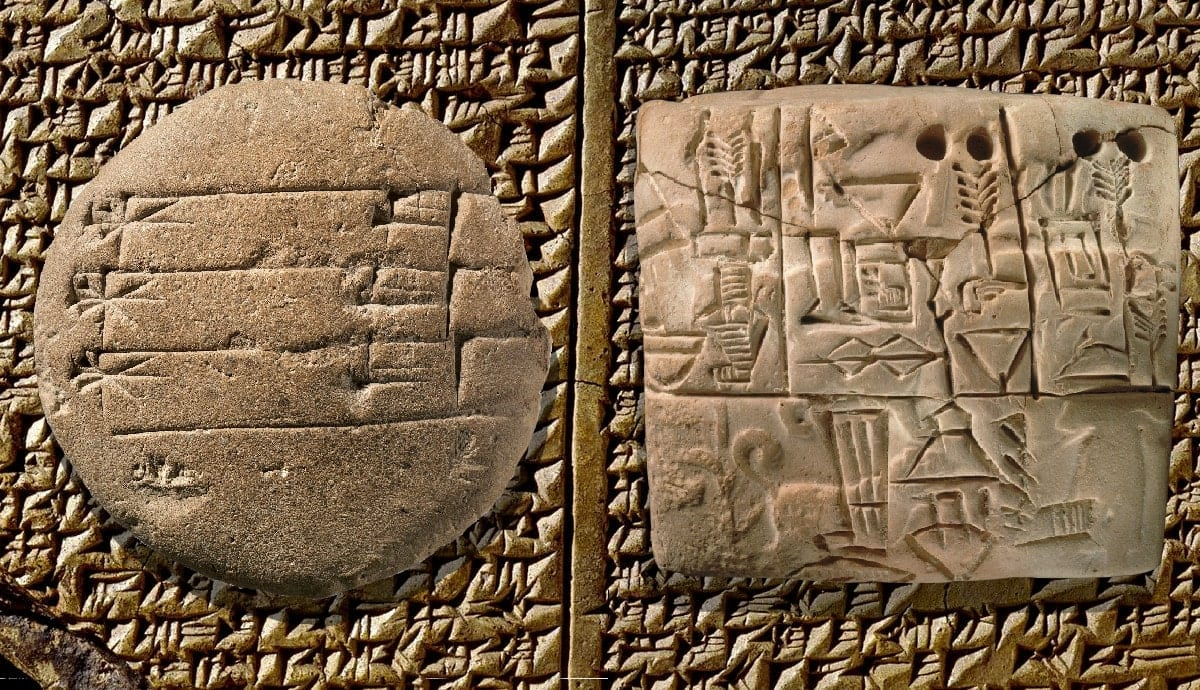
Among the most intriguing discoveries in archaeology are clay tablets covered in symbols that no one can yet read. These undeciphered scripts represent languages and ideas that remain hidden behind patterns of lines and marks.
Each tablet is a puzzle waiting to be solved.
Writing Before Alphabetic Systems
Early writing systems often used pictographs or abstract symbols. These marks represented objects, sounds, or ideas. Some scripts evolved into known languages, while others disappeared before scholars could fully understand them.
In ancient Crete, tablets written in Linear A continue to challenge researchers. The script appears on clay tablets from Minoan administrative centers but remains undeciphered despite decades of study.
Clues Hidden in Context
Archaeologists analyze the context in which tablets are found. Tablets discovered in storage rooms or palace archives may record trade transactions, inventories, or legal agreements.
At sites such as Knossos, tablets were preserved when fires accidentally baked the clay, turning fragile documents into durable artifacts.
Patterns and Repetition
Linguists search for repeated symbol patterns that may represent names, numbers, or common words. Comparing unknown scripts with known languages sometimes provides clues.
However, without a bilingual inscription—similar to the famous Rosetta Stone—decipherment can remain elusive.
What These Tablets Might Contain
The undeciphered tablets could hold administrative records, religious hymns, myths, or diplomatic messages. Until they are understood, an entire intellectual world remains inaccessible.
The Mystery of Silent Scripts
Every unknown script reminds us how fragile knowledge can be. Languages can disappear within a few generations if they are not preserved.
Clay tablets bearing mysterious symbols are echoes of lost voices—waiting patiently for someone to understand their message.