• MAIN PAGE
  • LATEST NEWS
    • Lost Cities
    • Archaeology's Greatest Finds
    • Underwater Discoveries
    • Greatest Inventions
    • Studies
    • Blog
  • PHILOSOPHY
  • HISTORY
  • RELIGIONS
    • Africa
    • Anatolia
    • Arabian Peninsula
    • Balkan Region
    • China - East Asia
    • Europe
    • Eurasian Steppe
    • Levant
    • Mesopotamia
    • Oceania - SE Asia
    • Pre-Columbian Civilizations of America
    • Iranian Plateau - Central Asia
    • Indus Valley - South Asia
    • Japan
    • The Archaeologist Editor Group
    • Scientific Studies
    • Aegean Prehistory
    • Historical Period
    • Byzantine Middle Ages
    • Predynastic Period
    • Dynastic Period
    • Greco-Roman Egypt
  • Rome
  • PALEONTOLOGY
  • About us
Menu

The Archaeologist

  • MAIN PAGE
  • LATEST NEWS
  • DISCOVERIES
    • Lost Cities
    • Archaeology's Greatest Finds
    • Underwater Discoveries
    • Greatest Inventions
    • Studies
    • Blog
  • PHILOSOPHY
  • HISTORY
  • RELIGIONS
  • World Civilizations
    • Africa
    • Anatolia
    • Arabian Peninsula
    • Balkan Region
    • China - East Asia
    • Europe
    • Eurasian Steppe
    • Levant
    • Mesopotamia
    • Oceania - SE Asia
    • Pre-Columbian Civilizations of America
    • Iranian Plateau - Central Asia
    • Indus Valley - South Asia
    • Japan
    • The Archaeologist Editor Group
    • Scientific Studies
  • GREECE
    • Aegean Prehistory
    • Historical Period
    • Byzantine Middle Ages
  • Egypt
    • Predynastic Period
    • Dynastic Period
    • Greco-Roman Egypt
  • Rome
  • PALEONTOLOGY
  • About us

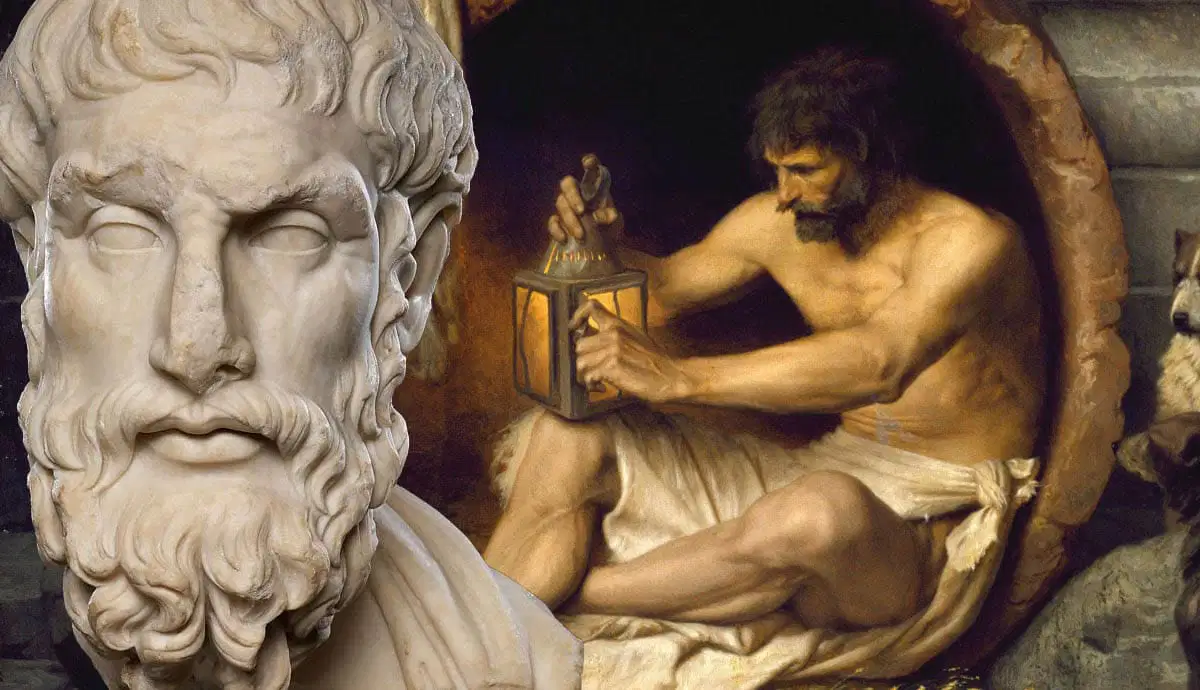
The World’s First Philosophers Before Writing

March 7, 2026

Philosophy is often associated with famous thinkers such as Socrates or Confucius. Yet long before written texts recorded philosophical ideas, human beings were already asking profound questions.

What is our place in the world?
Why do natural events occur?
How should people treat one another?

These questions shaped early belief systems, moral codes, and symbolic traditions.

Philosophy Without Books

Prehistoric communities transmitted knowledge orally through stories, myths, and rituals. These narratives explained natural phenomena and guided behavior.

Mythological stories about the creation of the world, the origin of animals, or the cycle of life and death often contained philosophical reflections about order, chaos, and morality.

Symbolic Thinking in Prehistoric Art

Evidence of early philosophical thinking can be found in symbolic artifacts. Carvings, cave paintings, and burial rituals demonstrate abstract thought.

Sites like Göbekli Tepe suggest that complex spiritual concepts existed long before formal religious texts. Monumental stone pillars decorated with animals may represent cosmological ideas about humanity’s relationship with nature.

Moral Codes and Social Order

Even without written law codes, early societies developed ethical systems. Cooperation, sharing resources, and respecting community rules were essential for survival.

These moral frameworks likely formed the foundation for later legal traditions recorded in early civilizations.

Observing Nature

Early humans carefully observed patterns in nature—changing seasons, animal behavior, and celestial movements. These observations led to practical knowledge but also inspired deeper questions about cause and meaning.

Philosophy, in its earliest form, may have emerged from this curiosity about the natural world.

The Roots of Thought

The world’s first philosophers did not write treatises. They told stories around fires, performed rituals, and created symbols that captured their understanding of existence.

Their ideas formed the intellectual roots from which later philosophical traditions grew.
← Ancient Clay Tablets Containing Unknown SymbolsLost Cities Hidden Beneath Volcanic Rock →
Featured
image_2026-03-07_211851997.png
Mar 7, 2026
The Forgotten Bronze Age Kingdom of Arzawa
Mar 7, 2026
Read More →
Mar 7, 2026
image_2026-03-07_211802381.png
Mar 7, 2026
The Obsidian Trade of Early Mesoamerica
Mar 7, 2026
Read More →
Mar 7, 2026
image_2026-03-07_211721996.png
Mar 7, 2026
The Stone Temples of Göbekli Tepe’s Neighbors
Mar 7, 2026
Read More →
Mar 7, 2026
image_2026-03-07_211626791.png
Mar 7, 2026
The Ancient Bee-Keepers of Anatolia
Mar 7, 2026
Read More →
Mar 7, 2026
image_2026-03-07_211510108.png
Mar 7, 2026
The Ancient Makers of Bone Armor
Mar 7, 2026
Read More →
Mar 7, 2026
image_2026-03-07_211426642.png
Mar 7, 2026
Forgotten Goddesses Hidden in Stone Carvings
Mar 7, 2026
Read More →
Mar 7, 2026
read more

Powered by The archaeologist