Ancient Egyptian Dynasties: The Old Kingdom and the Pyramid Age
Introduction
The Old Kingdom of Egypt is often called the “Pyramid Age” because it was the period when Egypt built its most iconic monumental tombs. During this era, pharaohs strengthened centralized government, developed complex religious beliefs about the afterlife, and commissioned massive stone pyramids that still stand today.
Rise of the Old Kingdom
The Old Kingdom began after the unification of Upper and Lower Egypt under earlier dynasties. Power became increasingly centralized in the hands of the pharaoh, who was considered both a political ruler and a divine figure.
Key developments included:
Strong centralized administration
Expansion of state-controlled agriculture and labor
Growth of religious institutions supporting the pharaoh’s divine status
The capital during much of this period was near modern-day Memphis.
The Pyramid Age
The Old Kingdom is best known for the construction of pyramids as royal tombs. These structures reflected beliefs in eternal life and the divine nature of kingship.
The Step Pyramid
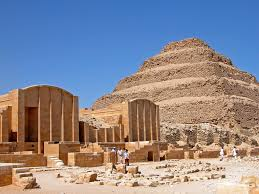
One of the earliest major stone monuments was the Step Pyramid of Djoser, designed by the architect Imhotep at Saqqara.
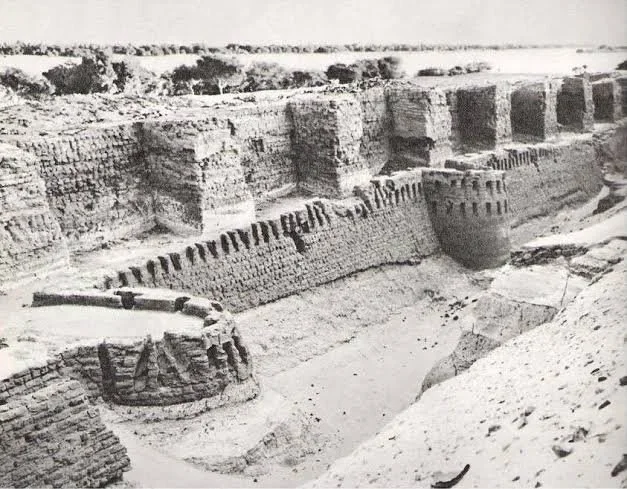
This pyramid marked a major shift from mudbrick mastabas to large-scale stone construction.
The Great Pyramids of Giza
The most famous achievements of the Old Kingdom are the pyramids built at Giza by:
Khufu
Khafre
Menkaure
These pyramids were part of a larger complex including temples, causeways, and the Great Sphinx.
Religion and the Afterlife
Religious beliefs played a major role in pyramid construction. Egyptians believed that:
The pharaoh’s soul needed a preserved body (mummification)
Tombs ensured safe passage to the afterlife
Offerings sustained the ruler in the next world
The pyramids were designed as eternal homes for the king’s spirit.
Government and Society
The Old Kingdom was highly organized, with a strong bureaucracy.
Social Structure
Pharaoh at the top
Viziers and high officials
Scribes who managed records and taxation
Farmers and laborers forming the majority of the population
Labor System
Contrary to popular myths, pyramid builders were not slaves but often skilled workers and seasonal laborers organized by the state.
Decline of the Old Kingdom
The Old Kingdom eventually declined due to:
Weakening central authority
Economic difficulties
Regional power struggles among local governors (nomarchs)
Possible environmental stress such as drought
This collapse led to the First Intermediate Period, a time of political fragmentation.
Legacy of the Pyramid Age
Despite its decline, the Old Kingdom left a lasting legacy:
The Great Pyramids remain among the world’s greatest architectural achievements
Egyptian ideas of kingship and afterlife influenced later dynasties
Advances in engineering, administration, and art shaped future civilizations
Conclusion
The Old Kingdom was a defining era in Ancient Egyptian history. Known as the Pyramid Age, it showcased the power of the pharaohs, the skill of Egyptian engineers, and the deep religious beliefs that shaped society. Its monuments continue to symbolize the enduring legacy of one of the world’s earliest great civilizations.