Ancient Egyptian Funerary Art: The Fayum Mummy Portraits
Introduction
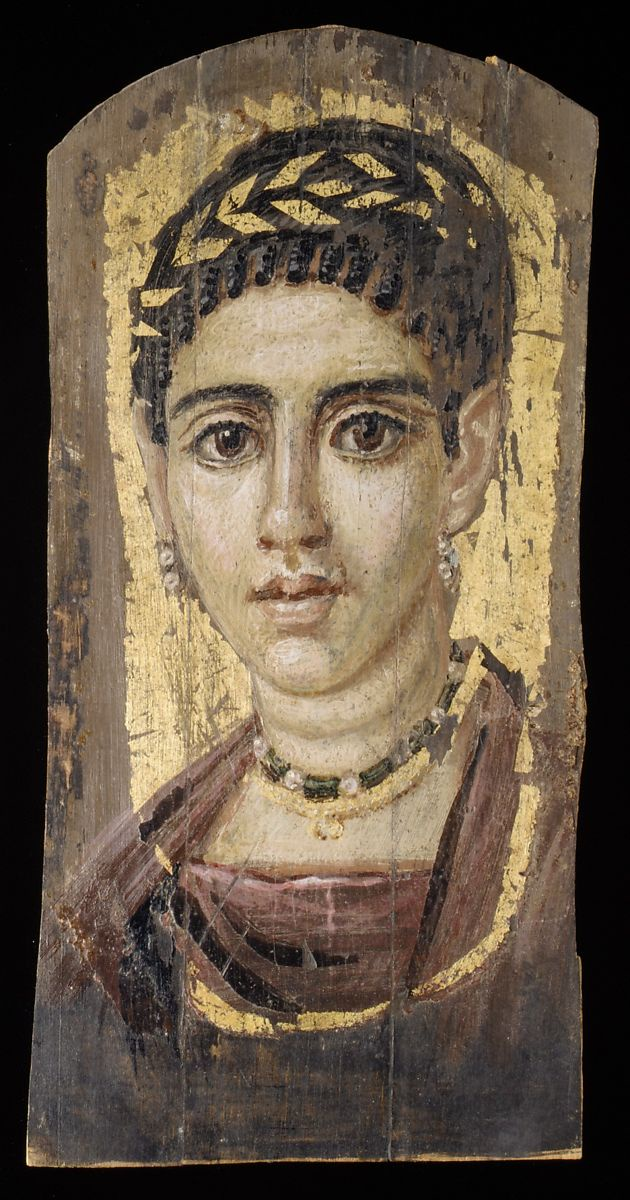
The Fayum mummy portraits are among the most striking examples of ancient funerary art. Created during the Roman period in Egypt (roughly 1st–3rd century CE), these lifelike painted portraits were attached to mummies, blending Egyptian burial traditions with Greco-Roman artistic styles.
Historical Context
These portraits were produced in the region of Faiyum Oasis, a culturally diverse area under Roman rule.
During this period, Egypt was part of the Roman Empire, and society included Egyptians, Greeks, and Romans living together. This cultural mix strongly influenced funerary practices.
What Are Fayum Portraits?
Fayum portraits were realistic painted images of deceased individuals. They were:
Painted on wooden panels or linen
Attached over the face of mummified bodies
Created while the person was still alive or shortly after death
They represent a shift from traditional Egyptian stylized art to more naturalistic portraiture.
Artistic Style and Technique
Materials
Artists used:
Encaustic painting (wax-based pigments)
Tempera (egg-based paints)
Wooden panels (often imported cedar or local wood)
Style
Highly realistic facial features
Detailed shading and highlights
Individualized expressions
Hairstyles and clothing reflecting Roman fashion
The result is one of the earliest known traditions of realistic portrait painting.
Cultural Blending
Fayum portraits reflect a unique cultural fusion:
Egyptian belief in the afterlife and mummification
Greek artistic traditions of realism
Roman fashion and social identity
This combination shows how deeply interconnected Mediterranean cultures had become under Roman rule.
Purpose and Meaning
The portraits were not just decoration. They served important religious and social functions:
Preserving the identity of the deceased
Ensuring recognition in the afterlife
Displaying social status and wealth
Connecting Roman-Egyptian elites to both traditions
They acted as a visual “bridge” between life and death.
Archaeological Discovery
Most Fayum portraits were discovered in burial sites in the Faiyum region during modern excavations in the 19th and 20th centuries.
They were often found:
Still attached to mummies
Well-preserved due to Egypt’s dry climate
In both elite and middle-class graves
Historical Importance
Fayum portraits are significant because they:
Represent some of the earliest realistic portraits in history
Show cultural blending in Roman Egypt
Provide insight into hairstyles, clothing, and identity
Bridge Egyptian funerary traditions with Greco-Roman art
Decline of the Tradition
The practice declined around the 3rd century CE due to:
Economic changes in Roman Egypt
Spread of new religious beliefs
Decline of traditional mummification practices
Eventually, simpler burial customs replaced elaborate mummy portraits.
Conclusion
The Fayum mummy portraits are a remarkable fusion of art, culture, and belief. They capture the faces of real individuals from Roman Egypt, preserving their identities across two thousand years. As a blend of Egyptian funerary tradition and Greco-Roman realism, they remain one of the most important artistic achievements of the ancient world.