The Roman Theater of Aspendos: The Best Preserved Roman Stage
Introduction
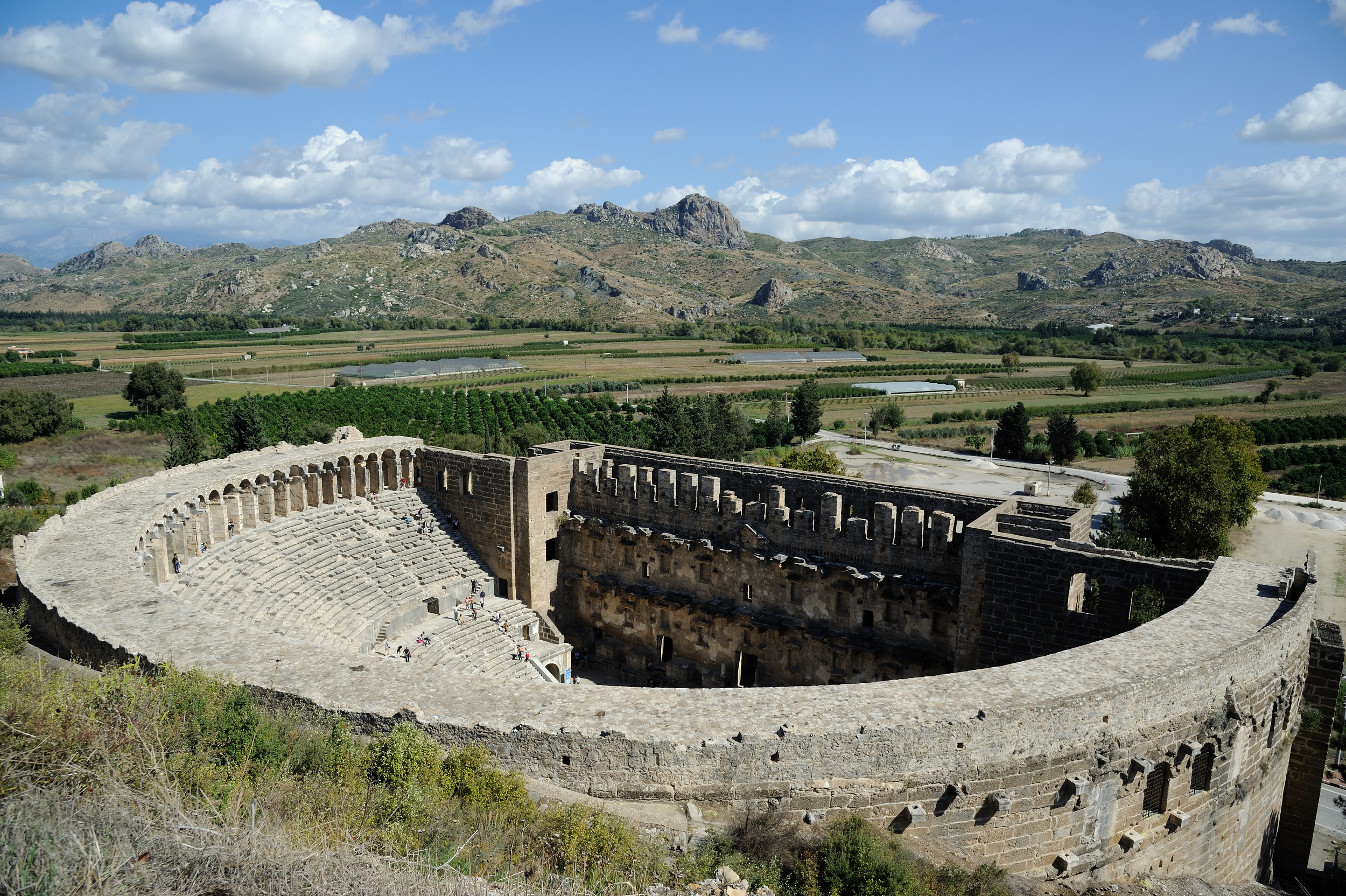
The Aspendos Theatre is one of the best-preserved Roman theaters in the world. Built during the reign of Emperor Marcus Aurelius in the 2nd century CE, it showcases the height of Roman engineering, acoustics, and architectural design. Located in the ancient city of Aspendos in modern-day Turkey, it remains remarkably intact and is still used for performances today.
Historical Background
Aspendos was originally a prosperous city in the region of Pamphylia, an area that became part of the Roman Empire.
The theater was commissioned under the Roman emperor Marcus Aurelius, though its design is often attributed to the architect Zenon, a local engineer.
Its construction reflects the Roman emphasis on public entertainment and civic pride.
Architectural Design
Structure
The theater follows the classic Roman semicircular design:
A large seating area (cavea)
An orchestra space at the center
A highly decorated stage building (scaenae frons)
It could accommodate approximately 15,000–20,000 spectators.
Engineering Excellence
The theater is famous for:
Perfect acoustic design, allowing sound to travel clearly to the top seats
Precise stone construction without modern mortar techniques
Advanced drainage and structural stability
Carefully calculated sightlines for spectators
Even whispers from the stage can be heard in the upper rows.
The Stage Building
The scaenae frons (stage façade) is richly decorated with:
Columns in multiple tiers
Sculptural reliefs
Niches for statues
Ornamental arches
This grand backdrop created a dramatic setting for performances and imperial ceremonies.
Function and Use
The Aspendos Theatre was used for:
Dramatic performances (comedies and tragedies)
Public speeches
Civic ceremonies
Musical events and festivals
It played an important role in Roman cultural life in the eastern provinces.
Preservation and Survival
Unlike many ancient theaters, Aspendos survived almost intact because:
It was continuously maintained during the Byzantine period
Later used as a caravanserai and fortress
Built with exceptionally durable stonework
Its preservation makes it a key example of Roman architectural longevity.
Modern Significance
Today, the theater is still used for:
Cultural festivals
Concerts
Opera and ballet performances
Its continued use highlights the lasting effectiveness of Roman design.
Archaeological Importance
Aspendos provides valuable insight into:
Roman provincial architecture
Engineering techniques in large public structures
Entertainment culture in the Roman Empire
The spread of Roman urban traditions into Anatolia
Conclusion
The Aspendos Theatre stands as one of the greatest achievements of Roman architectural engineering. Its near-perfect preservation allows modern visitors to experience the scale, acoustics, and grandeur of Roman public entertainment. As both a historical monument and a living performance space, it remains a powerful symbol of Roman cultural and engineering excellence.