• MAIN PAGE
  • LATEST NEWS
    • Lost Cities
    • Archaeology's Greatest Finds
    • Underwater Discoveries
    • Greatest Inventions
    • Studies
    • Blog
  • PHILOSOPHY
  • HISTORY
  • RELIGIONS
    • Africa
    • Anatolia
    • Arabian Peninsula
    • Balkan Region
    • China - East Asia
    • Europe
    • Eurasian Steppe
    • Levant
    • Mesopotamia
    • Oceania - SE Asia
    • Pre-Columbian Civilizations of America
    • Iranian Plateau - Central Asia
    • Indus Valley - South Asia
    • Japan
    • The Archaeologist Editor Group
    • Scientific Studies
    • Aegean Prehistory
    • Historical Period
    • Byzantine Middle Ages
    • Predynastic Period
    • Dynastic Period
    • Greco-Roman Egypt
  • Rome
  • PALEONTOLOGY
  • About us
Menu

The Archaeologist

  • MAIN PAGE
  • LATEST NEWS
  • DISCOVERIES
    • Lost Cities
    • Archaeology's Greatest Finds
    • Underwater Discoveries
    • Greatest Inventions
    • Studies
    • Blog
  • PHILOSOPHY
  • HISTORY
  • RELIGIONS
  • World Civilizations
    • Africa
    • Anatolia
    • Arabian Peninsula
    • Balkan Region
    • China - East Asia
    • Europe
    • Eurasian Steppe
    • Levant
    • Mesopotamia
    • Oceania - SE Asia
    • Pre-Columbian Civilizations of America
    • Iranian Plateau - Central Asia
    • Indus Valley - South Asia
    • Japan
    • The Archaeologist Editor Group
    • Scientific Studies
  • GREECE
    • Aegean Prehistory
    • Historical Period
    • Byzantine Middle Ages
  • Egypt
    • Predynastic Period
    • Dynastic Period
    • Greco-Roman Egypt
  • Rome
  • PALEONTOLOGY
  • About us

Ancient Fortress Cities Built Into Cliffs

March 4, 2026

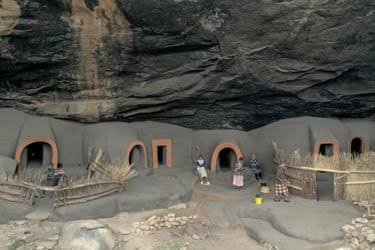
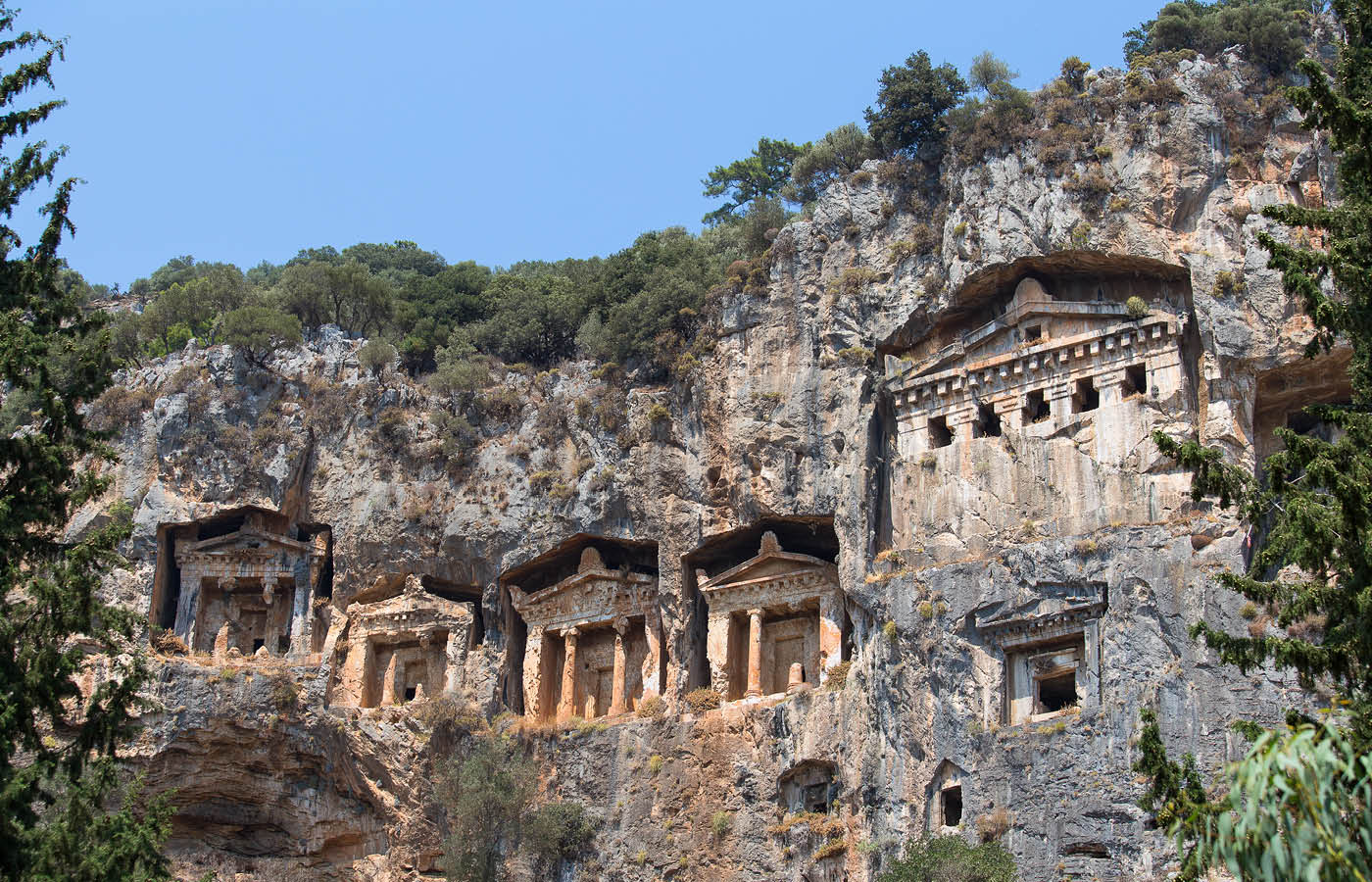
In some of the world’s most dramatic landscapes, ancient communities carved homes and temples directly into rock faces. These cliffside cities were engineered for defense, spiritual meaning, and strategic isolation.

Defense Through Elevation

Building into cliffs offered natural protection. Steep rock walls made direct assault nearly impossible. Narrow pathways limited enemy movement.

The Nabataean city of Petra was carved into rose-colored sandstone cliffs. Its concealed entrance, the Siq, created a controlled approach that enhanced security.

Similarly, the cliff dwellings of Mesa Verde were tucked beneath overhanging rock, shielding inhabitants from both enemies and harsh weather.

Spiritual Isolation

Cliffside settlements often had sacred significance. Elevated positions symbolized closeness to the heavens. Monasteries and temples built into cliffs offered solitude for meditation and ritual.

Rock-cut architecture required immense labor and planning, reflecting both devotion and technical skill.

Engineering Challenges

Carving into rock demanded precision. Builders had to ensure structural stability while creating storage areas, water systems, and living quarters.

In some cases, channels were cut to collect rainwater, demonstrating advanced planning despite limited tools.

Living Between Earth and Sky

Cliff cities embodied a balance between nature and human design. They adapted to landscape rather than reshaping it completely.

Today, their dramatic silhouettes remind us that ancient engineering was not only practical but also visionary.

← The Celestial Kings Who Claimed Power from the StarsThe World’s Earliest Chemical Experiments →
Featured
image_2026-03-04_220113126.png
Mar 4, 2026
The Forgotten Animal Domestication Experiments
Mar 4, 2026
Read More →
Mar 4, 2026
image_2026-03-04_215932661.png
Mar 4, 2026
The Prehistoric Artists Who Painted the Stars
Mar 4, 2026
Read More →
Mar 4, 2026
image_2026-03-04_215848716.png
Mar 4, 2026
The First Diplomats and Peace Negotiators
Mar 4, 2026
Read More →
Mar 4, 2026
image_2026-03-04_213823163.png
Mar 4, 2026
Ancient Villages Built Beneath Giant Trees
Mar 4, 2026
Read More →
Mar 4, 2026
image_2026-03-04_212058300.png
Mar 4, 2026
The Stone Giants: Megaliths That Shouldn’t Be Movable
Mar 4, 2026
Read More →
Mar 4, 2026
image_2026-03-04_212021801.png
Mar 4, 2026
The Forgotten Desert Libraries of Antiquity
Mar 4, 2026
Read More →
Mar 4, 2026
read more

Powered by The archaeologist