Ancient Greek Medicine: The Healing Sanctuaries of Asclepius
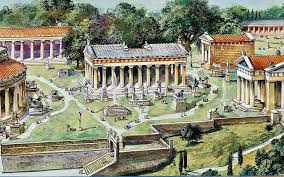
Dedicated to Asclepius, the Greek god of medicine and healing, the Asclepieia (singular: Asclepieion) were far more than simple temples. They functioned as comprehensive healing centers that combined spiritual faith with natural remedies, physical therapies, and psychological well-being. These sanctuaries laid the foundations for early holistic medicine in the ancient Mediterranean.
1. The Layout and Architecture of the Sanctuaries
The sanctuaries were typically built in serene, natural settings known for their fresh air, mineral springs, and peaceful surroundings, as the environment was considered a crucial part of the healing process.
The Temple (Naos): The religious center of the sanctuary, housing the cult statue of Asclepius, often made of gold and ivory.
The Abaton (or Koimeterion): A long, covered stoa or dormitory where patients slept to await a visitation from the god.
The Tholos: A mysterious circular building, often featuring intricate subterranean labyrinths or concentric circles, whose exact purpose remains debated by archaeologists (possibly used as a symbolic home for the sacred snakes of Asclepius).
Ancillary Facilities: Most major sanctuaries included a gymnasium, a stadium for athletic recovery, and a large theater for performances, as mental stimulation and art were considered integral to recovery.
2. The Healing Process: The Ritual of Incubation
The central therapeutic practice at the Asclepieion was the ritual of incubation (enkoimesis), a form of dream therapy.
Purification: Patients first underwent ritual cleansing by bathing in cold or mineral springs and offering sacrifices to the gods.
Consultation: Priests reviewed the patient's symptoms and prepared them for their night in the abaton.
The Dream: While sleeping in the dormitory, patients would pray for a visitation from Asclepius or his sacred, non-venomous snakes. In the dream, the god might touch the affected area or provide a prescription (such as a specific diet, herbal remedy, or physical exercise).
Interpretation: The following morning, priests helped interpret the dreams and administer the prescribed cures.
3. Medical Practices and Holistic Care
While the healing process was heavily rooted in religious belief, the priests and attendants also applied practical medical treatments:
Herbal Medicine and Surgery: Priests used poultices, natural ointments, and basic surgical procedures alongside divine remedies.
Diet and Exercise: Regimens involving specific foods, hydrotherapy, and physical training were highly recommended to restore the balance of the body's humors.
Psychological Healing: The beautiful natural landscapes, combined with dramatic performances and social interaction, played a large role in lowering stress and promoting healing.
4. The Most Famous Asclepieia
Several sanctuaries grew into prominent medical and cultural hubs, the most notable being:
Epidaurus: The most important and the architectural model for other healing centers, famous for its grand theater and tholos.
Kos: The home of the medical school associated with Hippocrates, where medicine began to diverge slightly from divine intervention toward clinical observation.
Pergamon: Located in modern-day Turkey, it featured a famous library, a medical complex, and a natural spring where patients were treated with mud baths and herbs.