The Paleo-Diet: What Coprolites Reveal About Prehistoric Human Nutrition
When we think about prehistoric human diets, it is easy to imagine a menu dominated entirely by big-game hunting. However, the most direct, unfiltered evidence of what early humans actually ate comes from an unexpected source: coprolites (fossilized or desiccated feces).
By analyzing the chemical, microscopic, and genetic signatures preserved within these ancient remains, researchers are rewriting the narrative of the Paleolithic diet and revealing a complex, highly varied approach to nutrition.
1. What Are Coprolites?
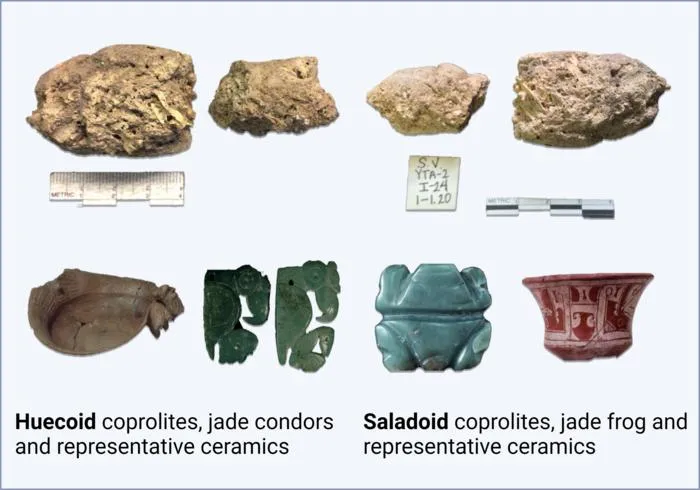
Coprolites are the preserved remains of digestive waste. Under specific conditions—such as the hyper-arid environments of caves or rockshelters—feces can undergo rapid desiccation or mineralization, preserving fragile organic material for thousands of years.
Physical Remains: They can contain undigested seeds, fragments of bone, fish scales, and plant fibers.
Biomarkers and DNA: Modern biomolecular techniques allow scientists to extract ancient DNA (aDNA) and proteins from the waste, identifying the exact species consumed and the bacteria that lived in the human gut.
2. Nutritional and Dietary Revelations
Coprolite analysis offers a microscopic and chemical snapshot of a single meal, providing highly specific data about nutrient intake.
High-Fiber Diets: Contrary to modern high-protein or low-carb interpretations of the Paleo diet, coprolites from the Upper Paleolithic show massive amounts of dietary fiber. Early humans regularly consumed a wide range of roots, tubers, wild grasses, and fruits.
Micro-nutrients and Phytoliths: The discovery of phytoliths (silica structures found in plants) reveals that early humans processed and consumed an incredible diversity of vegetation, even using wild grains and starchy roots.
Meat Consumption: While plants were abundant, coprolites also contain traces of meat, hair, and bone fragments, confirming an omnivorous diet that capitalized heavily on available resources.
3. Challenging the Modern "Paleo" Fad
One of the biggest nutritional corrections driven by coprolite science is the dismantling of the idea that Paleolithic humans avoided all carbohydrates or lived on a uniform, strict diet.
Seasonal Variation: Analysis shows that the diet changed drastically with the seasons. Spring coprolites might contain leafy greens and early shoots, while winter samples indicate a heavier reliance on stored or dried meat and cached nuts.
Carbohydrate Consumption: Studies of both Neanderthal and early Homo sapiens coprolites show the presence of starches and complex carbohydrates, proving that early humans consumed a significant amount of plant matter when it was available.
4. Unlocking the Ancient Microbiome
Beyond the food consumed, the bacteria and microbes preserved in these samples give us a direct look into the prehistoric human microbiome.
Gut Diversity: Unlike modern industrialized populations with less diverse gut flora, prehistoric coprolites show a rich, varied microbial ecosystem suited for breaking down wild plants and raw fibers.
Pathogens: Traces of parasites and worm eggs have also been found, indicating that early humans dealt with the nutritional drain of chronic parasitic infections alongside their regular foraging.