The Moon as a Guide and Mystery
The moon has always been a powerful presence in the night sky. Its changing phases, predictable cycles, and influence on natural rhythms made it an important focus of ancient belief systems.
Many cultures viewed the moon as more than a celestial body—it was a symbol of life, time, and transformation.
Moon Deities and Cultural Beliefs
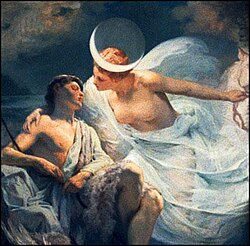
In various societies, the moon was represented by gods or goddesses. These deities were often associated with fertility, renewal, and cycles of life. Stories about the moon helped explain its phases and movements.
These myths provided comfort and meaning, connecting human experiences to the natural world.
Lunar Calendars and Timekeeping
The moon’s cycle offered a reliable way to measure time. Many ancient calendars were based on lunar phases, dividing months according to the waxing and waning of the moon.
These calendars were used to plan agricultural activities, religious festivals, and daily life.
Rituals and Observances
Lunar events were often marked by rituals. Full moons and eclipses were seen as significant moments, sometimes associated with power or change.
Communities gathered to perform ceremonies, offer prayers, and celebrate these events.
Symbolism and Influence
The moon became a symbol of mystery, change, and continuity. Its influence can be seen in art, literature, and cultural traditions.
Enduring Importance
Even today, lunar cycles influence calendars and cultural practices, showing the lasting impact of ancient lunar traditions.