A Global Innovation
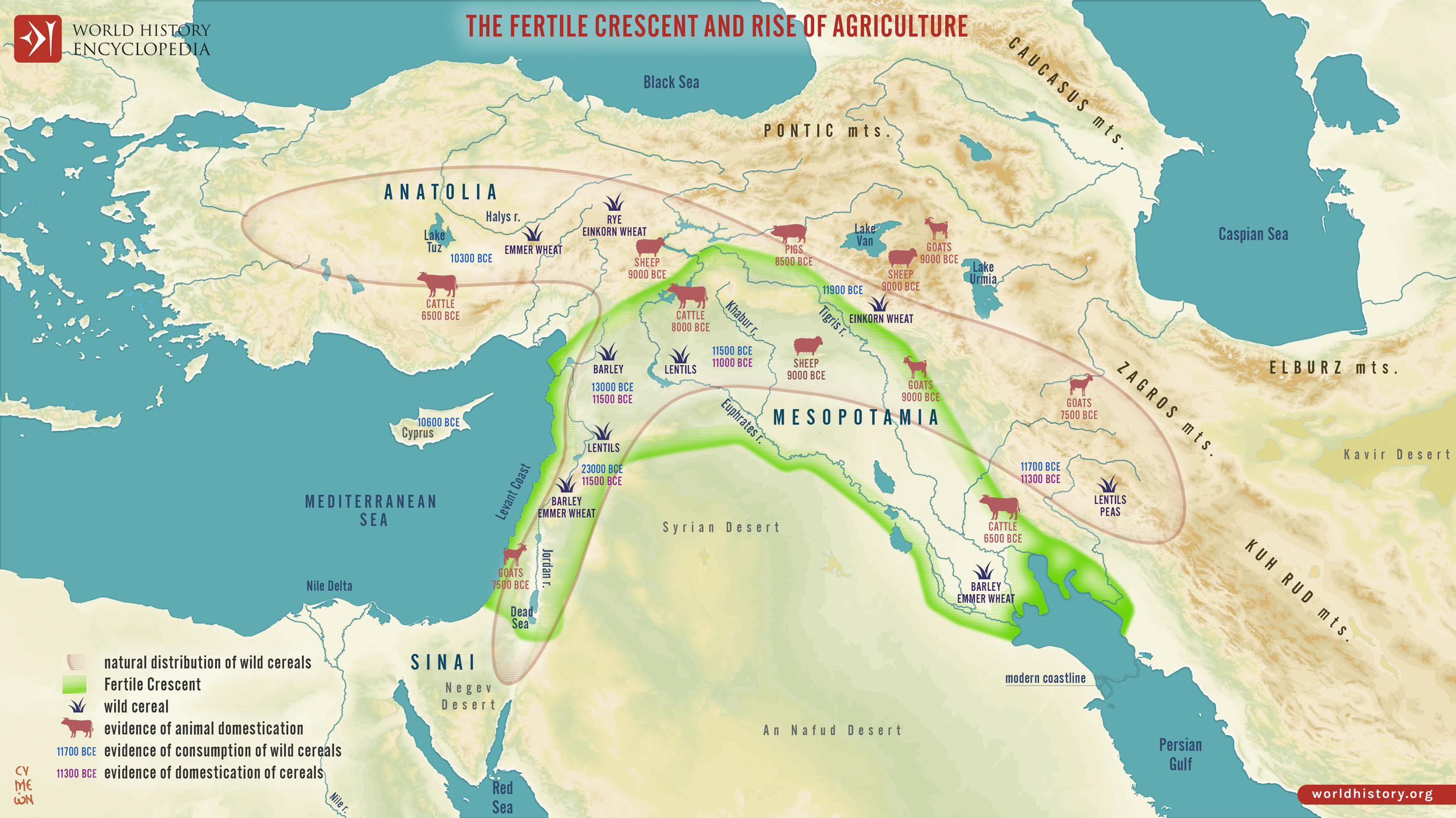
For many years, historians believed that agriculture began in a single region known as the Fertile Crescent. However, modern research has revealed a more complex picture. Farming developed independently in multiple parts of the world, showing that early humans across different regions were capable of similar innovations.
This discovery highlights the adaptability and creativity of human societies, as they responded to environmental challenges in unique ways.
Independent Centers of Agriculture
Evidence of early agriculture has been found in various regions. In East Asia, rice cultivation emerged in river valleys. In the Americas, maize became a staple crop. In Africa, crops like sorghum and millet were developed.
These agricultural systems were not copies of one another—they were independently created solutions tailored to local environments.
Environmental Adaptation
Each region presented different challenges. Climate, soil quality, and available plant species influenced the development of agriculture. Early farmers had to experiment with planting techniques, irrigation, and crop management.
This led to diverse farming practices, each suited to its specific environment.
The Process of Domestication
Domestication was a gradual process. Early humans selected plants with desirable traits, such as larger seeds or better taste. Over time, these plants evolved into crops that were easier to cultivate and more productive.
This process required patience, observation, and long-term planning.
Impact on Human Life
The development of agriculture transformed human societies. Stable food supplies allowed people to settle in one place, leading to the growth of villages and cities.
Population increased, and new social roles emerged. Farming created the conditions for trade, governance, and cultural development.
A Shared Human Achievement
The independent origins of agriculture show that innovation is not limited to one place or culture. Across the world, humans found ways to shape their environment and secure their future.