Competition in Its Purest Form
The Olympic Games are often associated with unity, sportsmanship, and international cooperation. But in their original form in ancient Greece, they were far more intense—and far more dangerous.
Held in Olympia, the ancient Olympics were a celebration of physical excellence, but also a test of endurance, strength, and survival.
Events of Strength and Skill
The ancient games featured a variety of competitions, including:
Running races
Wrestling
Boxing
Chariot racing
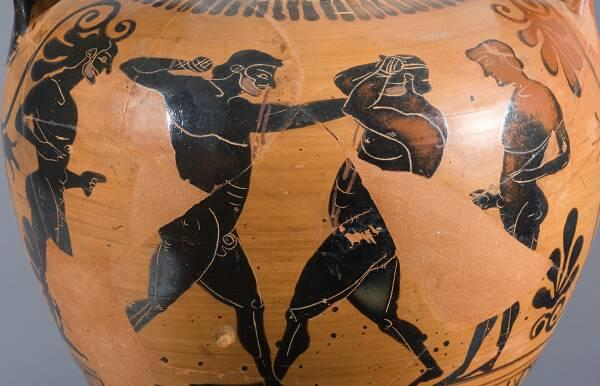
However, the most notorious event was the pankration—a brutal combination of boxing and wrestling with minimal rules.
The Pankration: No Rules, No Mercy
Pankration allowed almost any form of attack, including strikes, holds, and submissions. The only prohibited actions were biting and eye-gouging.
Matches could be incredibly violent, often ending in serious injury or even death. Victory was achieved when one competitor submitted—or could no longer continue.
Training for Glory
Athletes trained rigorously for years to compete. Training included:
Physical conditioning
Diet control
Skill development
Success in the games brought immense honor, not only to the individual but also to their city-state.
Rewards Beyond the Prize
Winners received a simple olive wreath—but the real rewards came afterward. Victorious athletes were celebrated as heroes and often received:
Financial rewards
Public recognition
Lifelong prestige
In some cases, they were even granted special privileges by their communities.
The Role of Religion
The Olympics were not just sporting events—they were deeply tied to religion. The games were held in honor of Zeus, and rituals and sacrifices were an essential part of the festival.
This connection added a spiritual dimension to the competitions, elevating them beyond mere entertainment.
A Dangerous Spectacle
Despite the glory, the games were dangerous. Injuries were common, and the lack of protective equipment made events particularly risky.
Chariot races, for example, were chaotic and often deadly, with crashes resulting in serious harm to drivers and horses.
A Reflection of Ancient Values
The ancient Olympics reflected the values of Greek society—strength, competition, and honor. They emphasized the importance of physical excellence and the pursuit of glory.
Legacy of the Games
While modern Olympics are far safer, they still carry echoes of their ancient origins. The spirit of competition and the celebration of human potential remain central themes.