Threads That Connected the World
Long before modern globalization, a vast network of trade routes connected distant civilizations across Europe, Asia, and the Middle East. Known as the Silk Road, this system carried not only goods—but ideas, cultures, and identities.
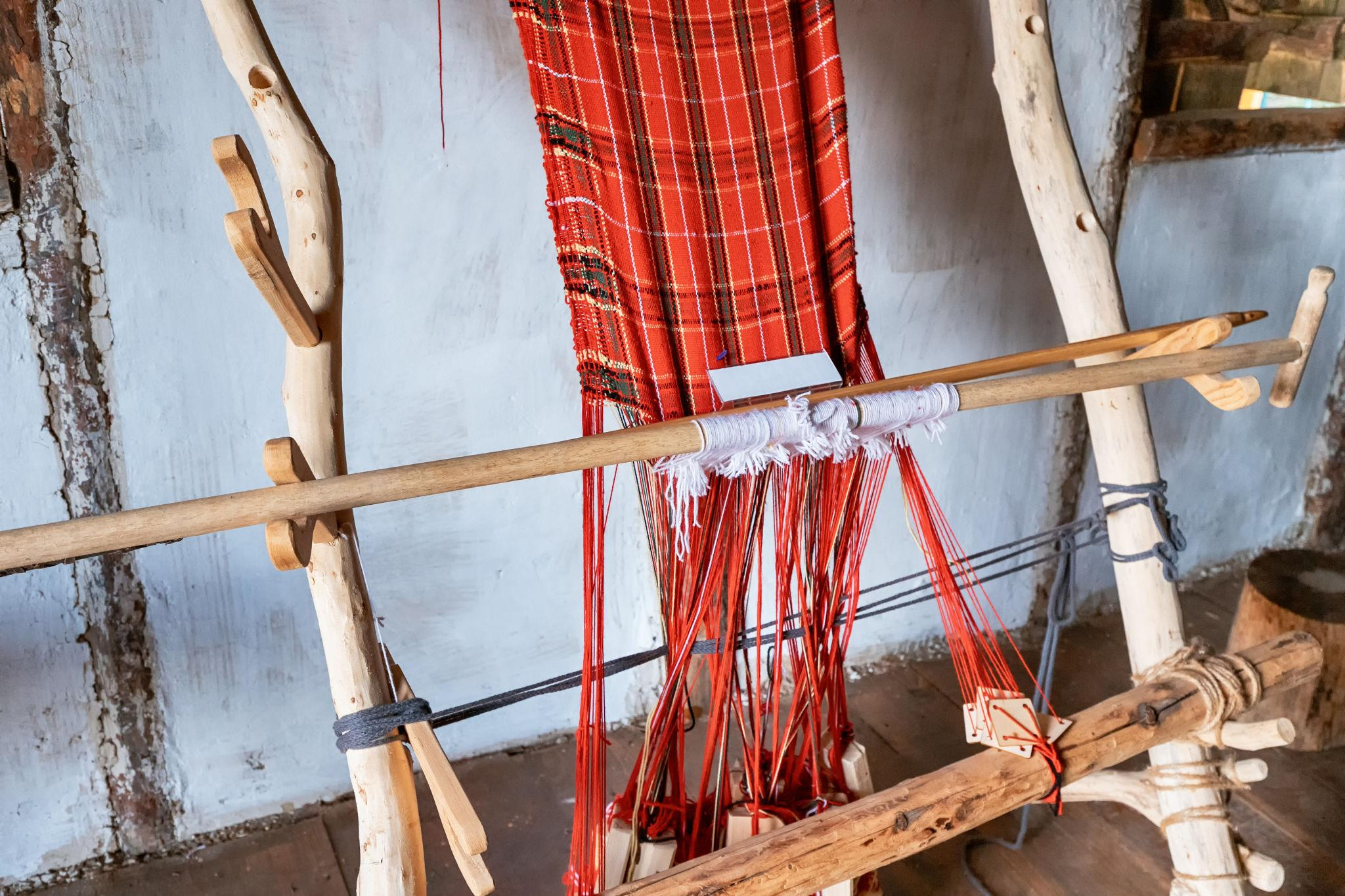
Among the most influential commodities traded along these routes were textiles. Far more than simple clothing, fabrics became powerful symbols of wealth, status, and cultural identity.
Silk: The Fabric of Power
Silk was the most prized material on the Silk Road. Produced in ancient China through a closely guarded process, it was valued for its softness, strength, and shimmering appearance.
For centuries, the secrets of silk production were kept hidden. As a result, silk became a luxury item reserved for elites—emperors, nobles, and high-ranking officials.
Owning silk signaled:
Wealth and influence
Access to long-distance trade
Cultural sophistication
In many societies, laws even restricted who could wear certain types of silk, reinforcing social hierarchies.
A Blend of Cultures in Cloth
As textiles moved across regions, they absorbed influences from different cultures. Patterns, dyes, and weaving techniques blended together, creating unique styles.
For example:
Chinese silk designs incorporated Persian motifs
Central Asian textiles featured geometric patterns
Mediterranean fabrics introduced new dyeing techniques
This exchange created a dynamic fashion landscape where clothing reflected a fusion of cultures.
More Than Fashion: A Social Language
Clothing along the Silk Road acted as a form of communication. The materials, colors, and designs people wore could reveal:
Their social status
Their profession
Their cultural background
In some cases, garments even carried political meaning, representing alliances or affiliations.
The Role of Trade Cities
Major cities along the Silk Road became centers of textile production and exchange. Merchants, artisans, and traders gathered in these hubs, spreading styles and techniques.
These cities acted as cultural crossroads, where ideas about fashion evolved and spread across continents.
Innovation in Textile Production
The demand for luxury fabrics led to innovations in production. Techniques such as:
Advanced weaving methods
Complex embroidery
Use of natural dyes
allowed artisans to create highly detailed and valuable garments.
Lasting Influence on Modern Fashion
Many elements of modern fashion can be traced back to Silk Road exchanges. Patterns, materials, and techniques developed thousands of years ago continue to influence design today.
A Fabric of Human Connection
The Silk Road was not just about trade—it was about connection. Through textiles, people shared ideas, identities, and creativity across vast distances.
Clothing became more than protection from the elements—it became a reflection of a globalized ancient world.