• MAIN PAGE
  • LATEST NEWS
    • Lost Cities
    • Archaeology's Greatest Finds
    • Underwater Discoveries
    • Greatest Inventions
    • Studies
    • Blog
  • PHILOSOPHY
  • HISTORY
  • RELIGIONS
    • Africa
    • Anatolia
    • Arabian Peninsula
    • Balkan Region
    • China - East Asia
    • Europe
    • Eurasian Steppe
    • Levant
    • Mesopotamia
    • Oceania - SE Asia
    • Pre-Columbian Civilizations of America
    • Iranian Plateau - Central Asia
    • Indus Valley - South Asia
    • Japan
    • The Archaeologist Editor Group
    • Scientific Studies
    • Aegean Prehistory
    • Historical Period
    • Byzantine Middle Ages
    • Predynastic Period
    • Dynastic Period
    • Greco-Roman Egypt
  • Rome
  • PALEONTOLOGY
  • About us
Menu

The Archaeologist

  • MAIN PAGE
  • LATEST NEWS
  • DISCOVERIES
    • Lost Cities
    • Archaeology's Greatest Finds
    • Underwater Discoveries
    • Greatest Inventions
    • Studies
    • Blog
  • PHILOSOPHY
  • HISTORY
  • RELIGIONS
  • World Civilizations
    • Africa
    • Anatolia
    • Arabian Peninsula
    • Balkan Region
    • China - East Asia
    • Europe
    • Eurasian Steppe
    • Levant
    • Mesopotamia
    • Oceania - SE Asia
    • Pre-Columbian Civilizations of America
    • Iranian Plateau - Central Asia
    • Indus Valley - South Asia
    • Japan
    • The Archaeologist Editor Group
    • Scientific Studies
  • GREECE
    • Aegean Prehistory
    • Historical Period
    • Byzantine Middle Ages
  • Egypt
    • Predynastic Period
    • Dynastic Period
    • Greco-Roman Egypt
  • Rome
  • PALEONTOLOGY
  • About us

Ancient Temples Carved Into Living Rock

March 24, 2026

Architecture From the Earth Itself

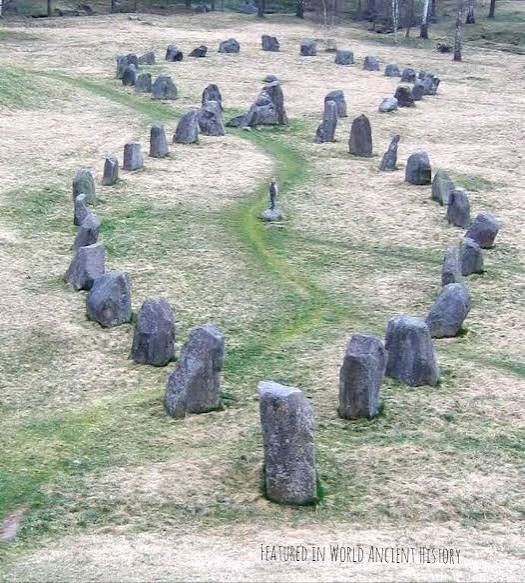
Some of the most impressive ancient structures were not built from separate materials but carved directly into natural rock.

These rock-cut temples required immense effort and skill, transforming solid stone into detailed architectural spaces.

Construction Techniques

Builders used tools to cut, shape, and remove rock layer by layer.

This process required careful planning, as mistakes could not easily be corrected. Every detail had to be carved with precision.

Spiritual Significance

Carving temples into rock may have symbolized permanence and connection to the Earth.

These spaces were often seen as sacred, blending human craftsmanship with natural forms.

Artistic Achievement

Rock-cut temples often featured intricate carvings, statues, and decorative elements.

These details reflected both artistic skill and religious devotion.

Lasting Monuments

Many of these temples still stand today, demonstrating the durability of their construction.

They remain powerful examples of ancient creativity and dedication.
← The Sacred Mathematics Behind Ancient ArchitectureThe First Builders of Underground Cities →
Featured
image_2026-03-23_221823738.png
Mar 24, 2026
Forgotten Ancient Festivals Celebrating the Stars
Mar 24, 2026
Read More →
Mar 24, 2026
image_2026-03-23_221750173.png
Mar 24, 2026
Myths of the Sky-Serpents and Celestial Dragons
Mar 24, 2026
Read More →
Mar 24, 2026
image_2026-03-23_221713928.png
Mar 24, 2026
Stone Statues That Guarded Ancient Kingdoms
Mar 24, 2026
Read More →
Mar 24, 2026
image_2026-03-23_221631152.png
Mar 24, 2026
Ancient Pottery That Reveals Lost Cultures
Mar 24, 2026
Read More →
Mar 24, 2026
image_2026-03-23_221541863.png
Mar 24, 2026
The Earliest Evidence of Human Spirituality
Mar 24, 2026
Read More →
Mar 24, 2026
image_2026-03-23_221505958.png
Mar 24, 2026
The Sacred Mathematics Behind Ancient Architecture
Mar 24, 2026
Read More →
Mar 24, 2026
read more

Powered by The archaeologist