Throughout mythological traditions around the world, powerful weapons often appear as symbols of divine authority and heroic destiny. These legendary objects were not merely tools of war; they were sacred artifacts believed to embody supernatural power and cosmic forces.
One of the most famous mythical weapons is Excalibur, the magical sword associated with the British hero King Arthur. According to medieval legend, the sword either appeared embedded in stone—where only the rightful king could remove it—or was given to Arthur by the mysterious Lady of the Lake. Excalibur symbolized legitimate kingship, justice, and divine approval of Arthur’s rule.
Scholars believe that this story may reflect older Celtic traditions in which swords were considered sacred objects. Archaeological discoveries show that ancient warriors sometimes deposited swords in rivers or lakes as offerings to the gods, suggesting that weapons carried spiritual significance beyond their practical function.
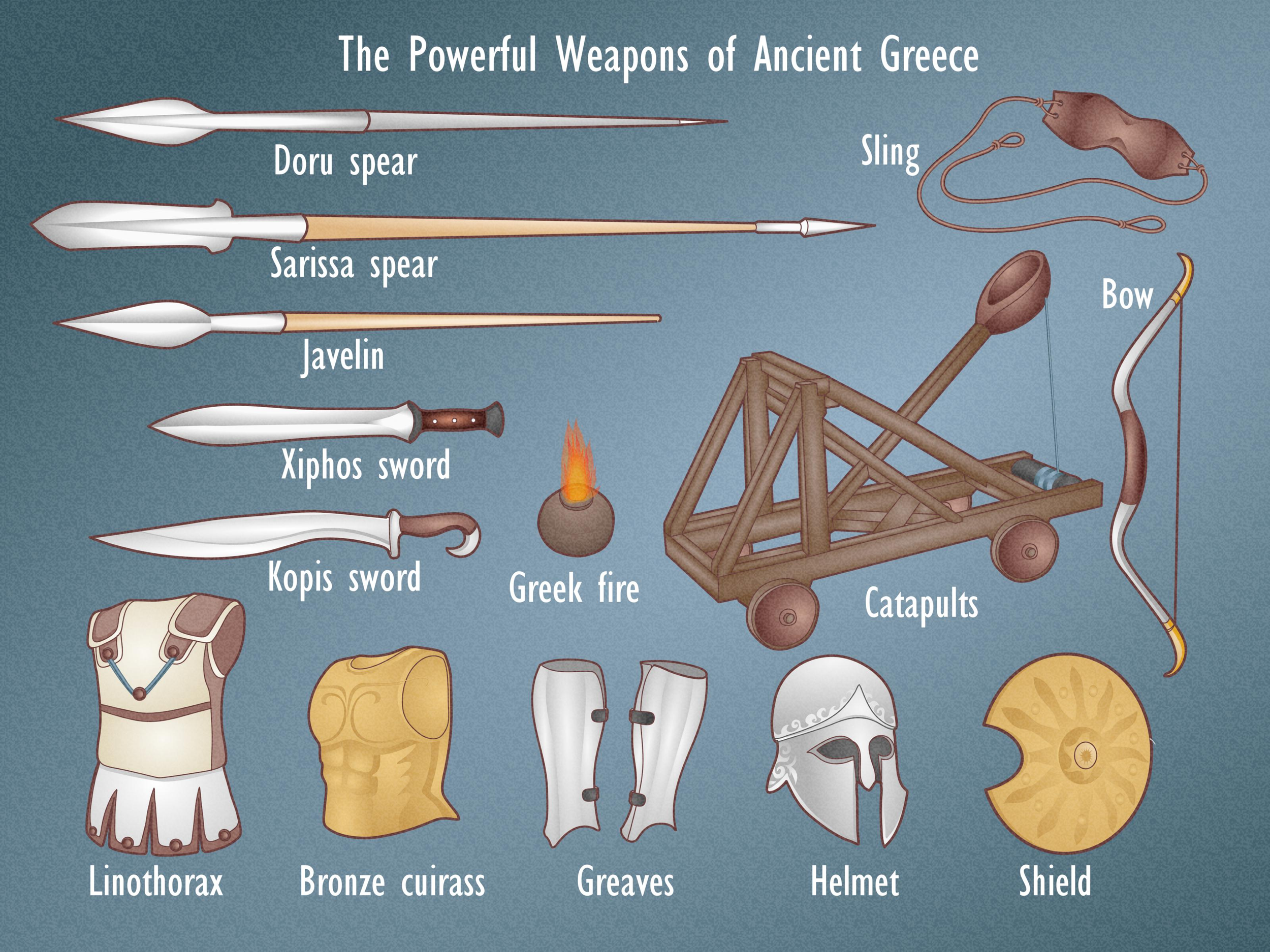
In Greek mythology, the god Poseidon wielded the mighty Trident of Poseidon, a three-pronged spear said to control oceans, create earthquakes, and shatter mountains. The trident symbolized the god’s dominion over the sea and his ability to shape the forces of nature.
Similarly powerful is the Vajra, the thunderbolt weapon associated with the deity Indra. In ancient Vedic mythology, the Vajra represented lightning itself—a weapon capable of destroying demons and restoring cosmic order.
Many historians believe such mythical weapons were inspired by real technological breakthroughs. The discovery of bronze and iron metallurgy gave ancient weapons unprecedented strength, possibly inspiring stories about blades or spears imbued with divine power.
Over time, these objects became powerful symbols within mythology, representing not only physical strength but also moral authority, cosmic balance, and the heroic journey of those destined to wield them.