Ancient manuscripts sometimes describe lands and civilizations that appear nowhere in the archaeological record. These mysterious cultures have fascinated historians because they may represent either forgotten societies or symbolic myths embedded within early literature.
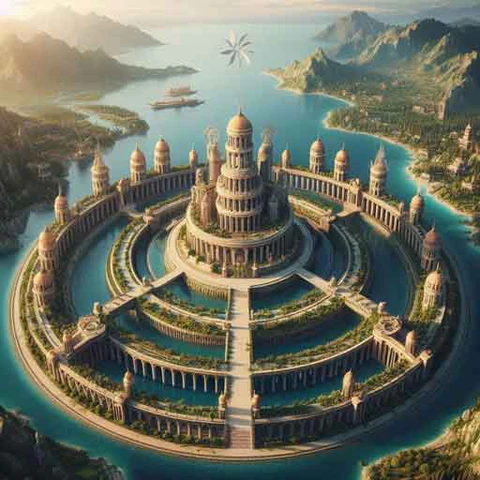
One such civilization is Aratta, mentioned in Sumerian epics describing the exploits of the hero Enmerkar. According to these texts, Aratta was a wealthy and distant land filled with precious metals and advanced craftsmanship. It was said to rival the city of Uruk and possessed magnificent temples dedicated to the gods.
Despite detailed descriptions in the stories, archaeologists have never definitively identified Aratta’s location. Some scholars speculate that it may correspond to regions of ancient Iran or Central Asia where early metalworking cultures flourished.
Another legendary land is Hyperborea, described in Greek mythology as a paradise located far beyond the northern winds. Ancient writers claimed that its inhabitants lived long lives in peace and prosperity under the protection of the god Apollo.
While Hyperborea may have been entirely mythical, some historians believe the story might have been inspired by distant northern cultures encountered through trade or exploration.
Ancient texts often combined historical memory with mythological storytelling. As a result, some references to lost civilizations could represent distorted recollections of real places that have yet to be discovered—or that have disappeared due to environmental change, migration, or conflict.
The study of these legendary cultures highlights the complex relationship between myth, memory, and historical reality.