Here’s what you’ll learn from this story:
A tunnel network beneath the ancient Peruvian city of Cusco had been rumored for centuries.
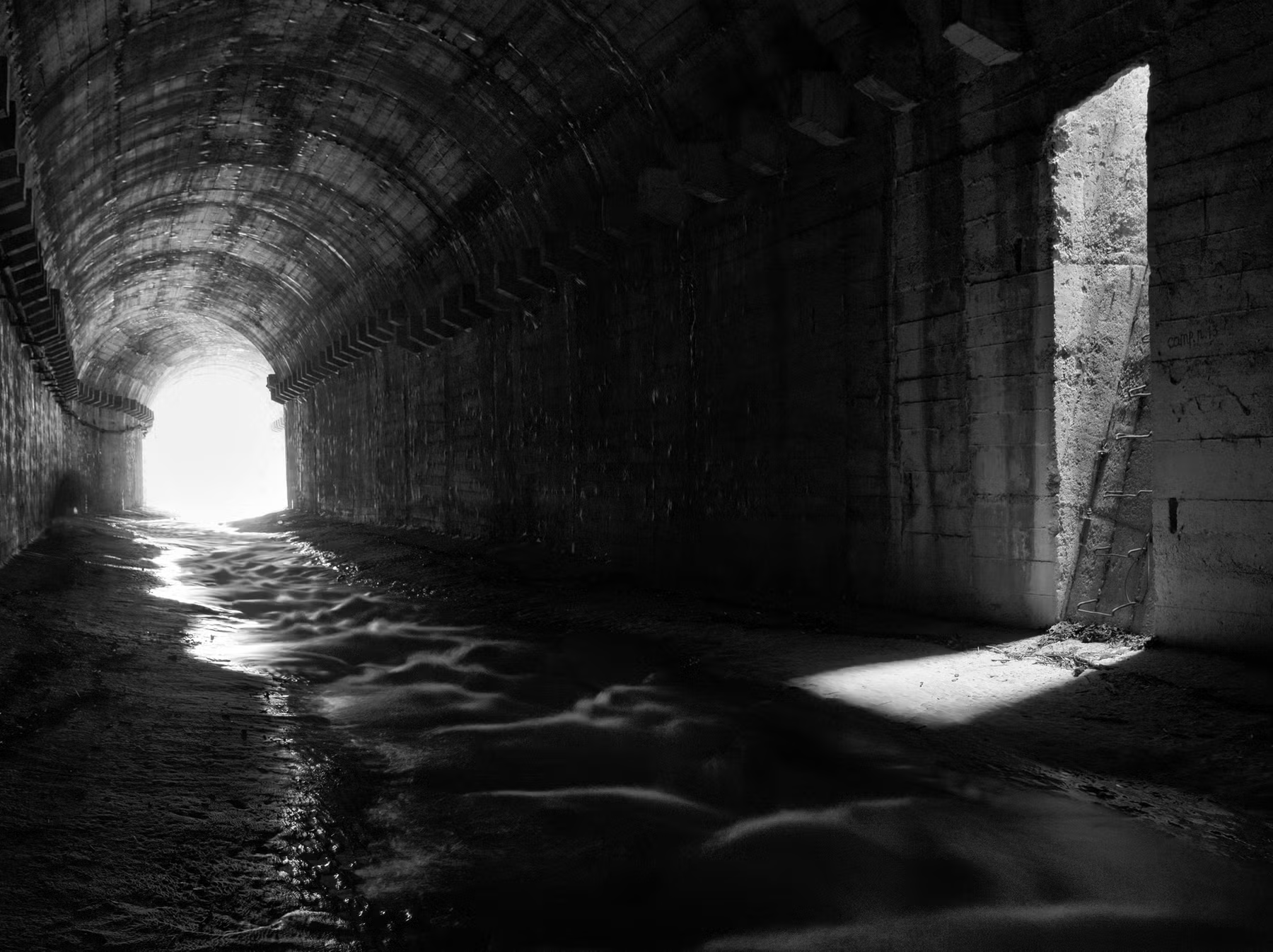
Stretching over a mile in some places, the labyrinth connected the Temple of the Sun to important sites, including a fortress.
Incan builders used a technique called the cut-and-cover method to construct the tunnels.
The Incan Temple of the Sun in Cusco has long been celebrated as a cultural and architectural jewel of the ancient empire. But there’s more to discover beneath its foundations. Archaeologists have recently confirmed a long-standing rumor: a labyrinth of underground tunnels radiates out from the temple, in some areas extending more than a mile.
References to this hidden network, known as a chincana, appear in historical texts dating back to the 16th century. For years, scholars debated whether it actually existed—and now we know it does.
Archaeologist Jorge Calero Flores announced the findings at a press conference, revealing that the research team had identified a main branch connecting the temple to the fortress of Sacsahuaman, just over a mile away. The tunnel system also includes three smaller branches: one near the Church of San Cristóbal, another leading toward an area close to the fortress, and a third extending to a site known as Callispuquio.