34 New Archaeological Sites Documented in Cajamarca
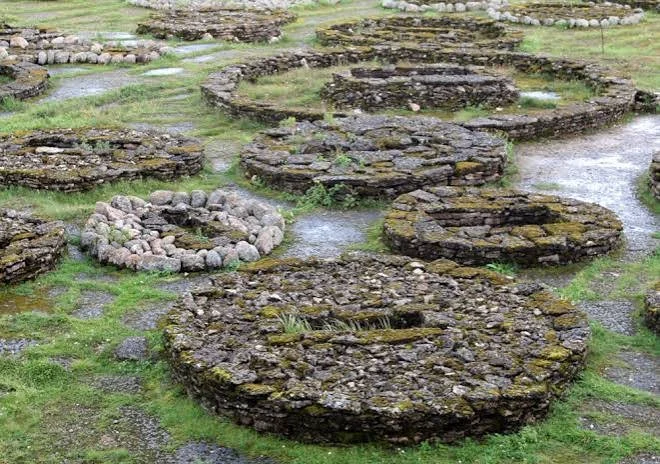
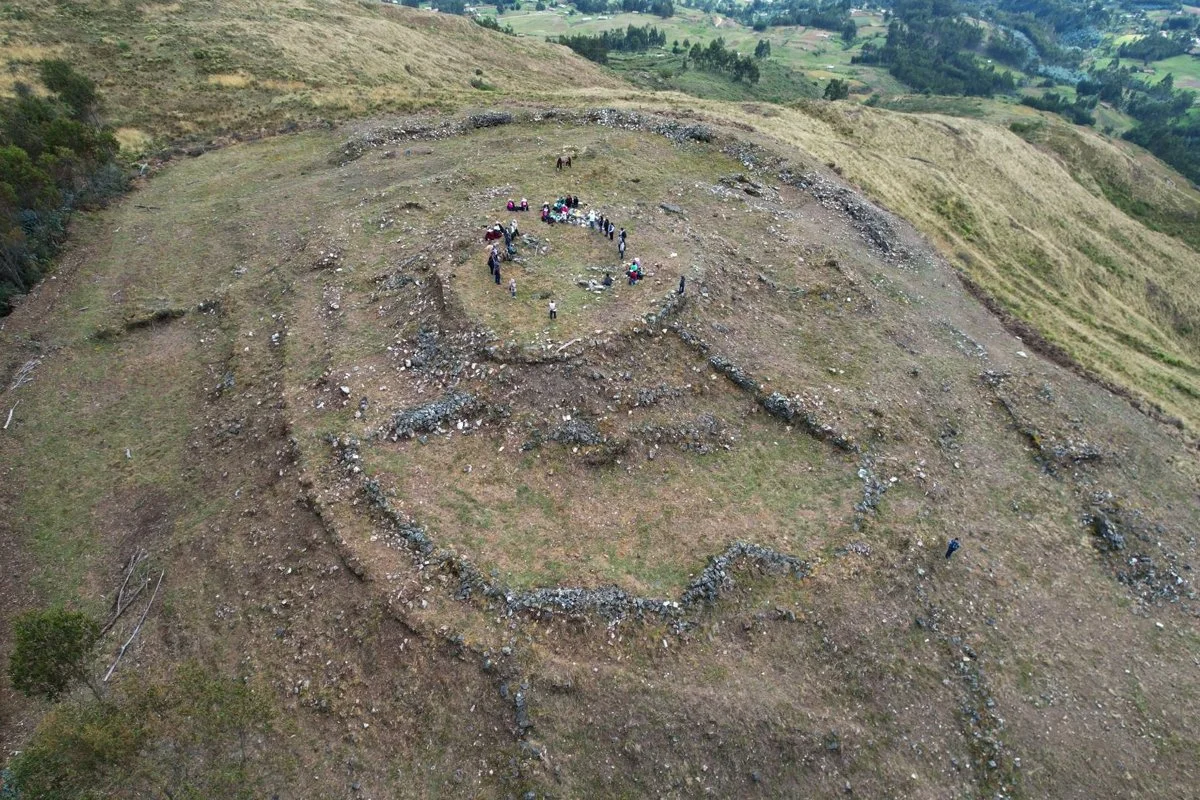
Recent research carried out between 2024 and 2025 in the Cajamarca Region has led to the identification and official registration of 34 previously undocumented archaeological sites and cultural landscapes. The findings were presented by the Ministry of Culture of Peru through the Decentralised Directorate of Culture (DDC) of Cajamarca.
This effort represents a major step toward expanding and improving the archaeological record of the region.
Systematic Fieldwork and Evaluation
The research was conducted in two phases:
20 sites documented in 2024
14 additional sites documented in 2025
Each location underwent a structured evaluation process to determine:
Cultural and historical significance
Current state of preservation
Technical measures needed for protection
This process ensures that newly identified archaeological resources are not only recorded but also integrated into regional heritage management systems.
Strengthening Protection of Known Sites
During the investigation, researchers also discovered that some previously recognized archaeological areas lacked clearly defined boundaries. Even though they had already been declared protected, the absence of precise limits left them vulnerable to development, land use conflicts, and other human impacts.
To address this issue, specialists carried out technical work to establish accurate site boundaries, strengthening legal protection and helping reduce future risks.
Important Sites Identified
Among the key sites documented during the research are:
Wancasanga
El Pastal
El Castillo
Cerro Antivo
Cerro La Picota Grande
Guzmango Viejo
La Lima Petroglyph
Inca Stone (Chontalí Stele)
Together, these discoveries add valuable information about pre-Hispanic settlement patterns, cultural traditions, and regional development across northern Peru.
Integrated Into National Archaeological Records
All collected data has been incorporated into the Archaeological Geographic Information System (SIGDA), which is managed by the Ministry of Culture. This system helps maintain and update the National Register of Pre-Hispanic Archaeological Monuments and supports the formal designation of new heritage sites.
Protecting Peru’s Cultural Heritage
The work aligns with Law No. 28296, which governs the protection and conservation of cultural heritage in the country.
Through these efforts, authorities aim to safeguard archaeological resources while improving research and preservation strategies—ensuring that the history of ancient communities in the Cajamarca region remains protected for future generations.