Rare Iberian Wolf Artifact Discovered in Coastal Spain
A fascinating archaeological find in northeastern Spain is drawing renewed attention to the ancient Iberian world. At the Corral del Castell site in Cunit, researchers have rediscovered a remarkable ceramic fragment featuring what appears to be the head of a wolf—an image rich in symbolism and cultural meaning.
A Unique and Symbolic Discovery
The fragment, part of a vessel rim from the Iberian period, stands out for its painted depiction of a wolf. This is the only known example of such imagery on Iberian ceramics in the region, making it an exceptionally rare find.
Beyond its artistic value, the piece offers a rare glimpse into the beliefs and identity of the Iberian people, who lived in the area over 2,000 years ago.
The Wolf in Iberian Culture
In Iberian society, the wolf was a powerful and complex symbol. It was both feared and respected, representing strength, intelligence, and the untamed forces of nature.
Known for hunting in coordinated packs, wolves embodied qualities admired in warriors—discipline, unity, and resilience. As a result, the animal became closely associated with both hunting and warfare, serving as a symbol of protection and dominance.
Similar imagery has been found across other archaeological sites in Spain, appearing in sculptures, armor, and decorative objects. From depictions of nurturing she-wolves to engravings on warrior gear, the wolf consistently held deep cultural significance.
Rediscovery Through Modern Development
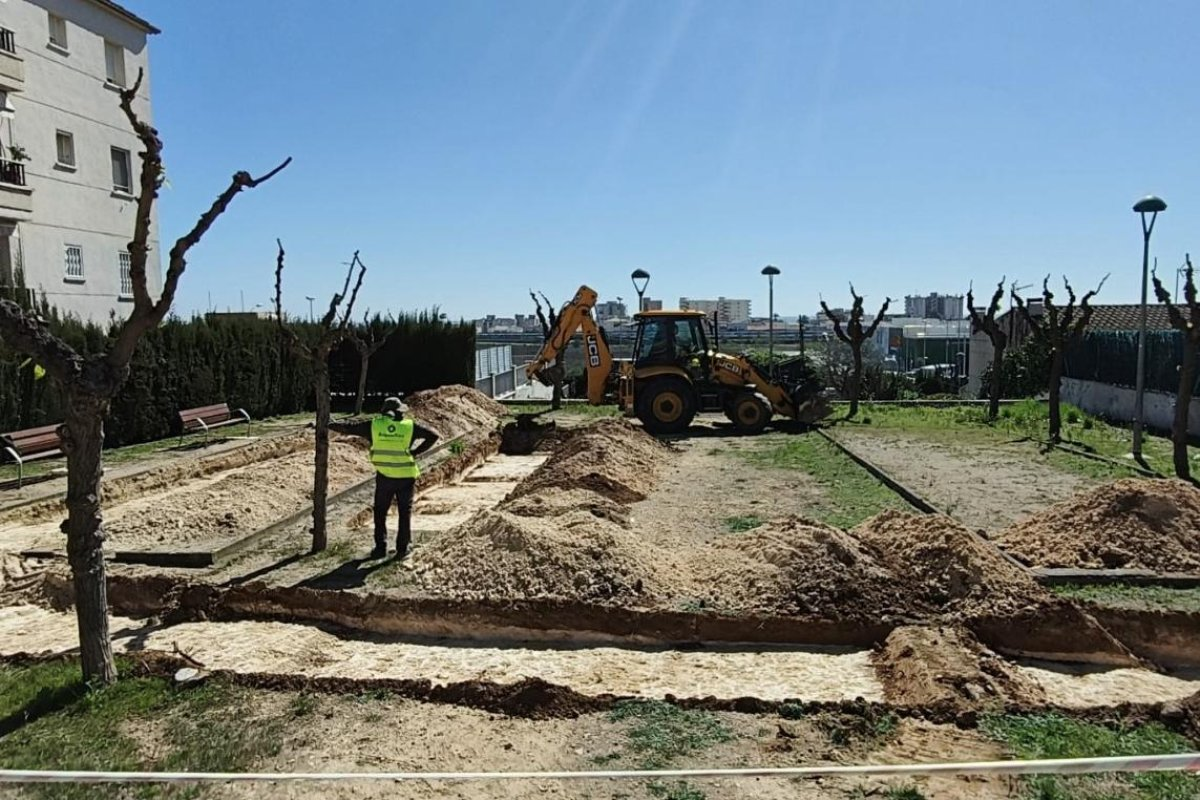
Interest in the artifact has been revived due to a required archaeological survey ahead of renovations to a public park built over the original site. In the past, much of the settlement was lost during rapid urban expansion, when construction took place without proper excavation.
Today, local authorities are taking a more careful approach, ensuring that any remaining traces of the ancient site are studied before development continues.
A Window Into Iberian Life
Excavations at Corral del Castell have revealed more than just symbolic artifacts. Archaeologists have uncovered a range of ceramics, including amphorae used for storage and transport, as well as fine tableware.
These findings suggest a community engaged in both daily domestic life and active trade, connected to wider networks across coastal and inland regions.
A Strategic Trading Location
The site’s location—just 500 meters from the Mediterranean coast and along an ancient trade route—supports its role as part of a broader economic system. Nearby agricultural and rural settlements likely worked together to produce, store, and distribute goods.
This interconnected network highlights the complexity of Iberian society, which combined local production with regional exchange.
Rise and Decline of the Settlement
Archaeological evidence points to two main phases of occupation:
An early phase during the height of Iberian culture (around the 3rd–4th century BCE)
A later phase during the transition to Roman influence (2nd–1st century BCE)
The absence of later Roman materials suggests the settlement was eventually abandoned, possibly as populations moved to new Roman-style villas in surrounding lowland areas.
Preserving a Fragile Heritage
Although much of the original site has been lost, discoveries like the wolf-decorated ceramic fragment highlight the importance of protecting what remains. Local groups are advocating for stronger preservation efforts to prevent further loss of cultural heritage.
A Lasting Symbol
The image of the wolf—painted on a simple ceramic vessel thousands of years ago—continues to resonate today. More than just decoration, it reflects a worldview shaped by nature, belief, and identity.
As excavations continue, this small but powerful artifact stands as a reminder of a civilization that saw meaning in the wild—and left behind symbols that still speak to us across time.