Unusual Maya Structures May Reveal Ancient Marketplaces
Archaeologists have identified a distinctive form of ancient Maya architecture across the Yucatán Lowlands that could represent purpose-built marketplaces. The findings, published in Ancient Mesoamerica, offer new insight into how trade may have been organized in the Maya world.
A Pattern Unlike Typical Maya Architecture
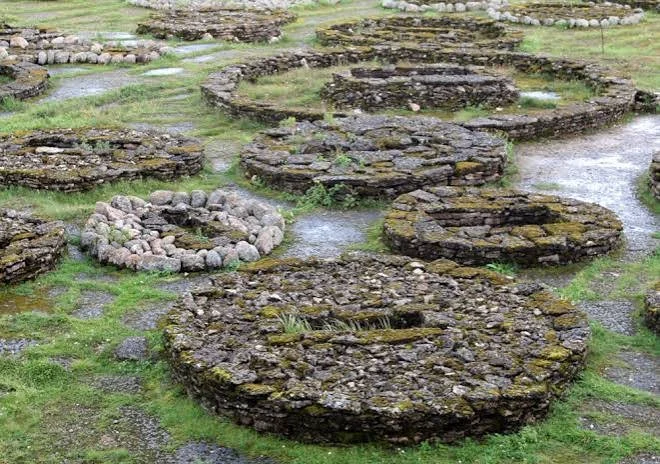
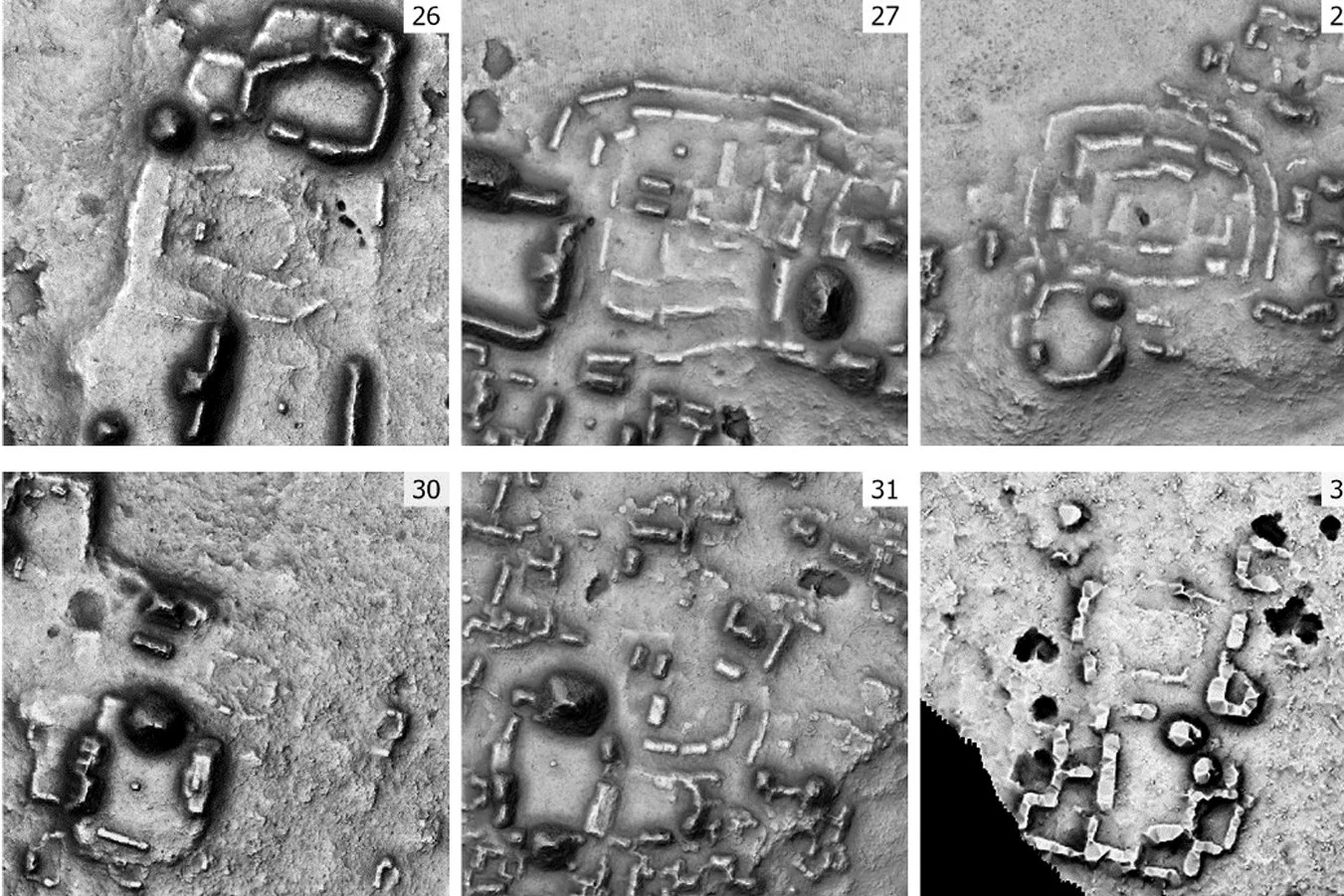
The study, led by Ivan Šprajc, focuses on dozens of formations known as “nested constructions.” These consist of low, elongated mounds arranged in concentric circles or rectangular patterns—layouts that differ significantly from known residential or ceremonial structures.
Their design stands out as highly organized, suggesting a specific and repeated function rather than random construction.
Evidence Points to Market Use
Šprajc proposes that these complexes functioned as built marketplaces. Their arrangement closely resembles descriptions of trading spaces recorded in central Mexico during the Spanish Conquest, as well as known layouts at sites like Tikal and Calakmul, which are widely believed to have hosted markets.
Archaeologists suggest the mounds once supported temporary stalls made of perishable materials, while the open spaces between them served as walkways for traders and visitors. Nearby larger buildings may have been used for storage or administrative oversight.
Technology Reveals Hidden Sites
Many of these structures remained undetected until recently due to dense forest cover. Using LiDAR technology, which can penetrate vegetation and map hidden features, researchers identified around 50 such complexes across a wide المنطقة, especially in Campeche.
Because these low platforms are difficult to spot on the ground, researchers believe many more may still be undiscovered.
Trade, Ritual, and Social Life Combined
Several features strengthen the marketplace interpretation. Some complexes include altars, shrines, ceremonial buildings, and even nearby ballcourts—indicating that trade was closely tied to ritual and social activities.
Their locations also appear strategic. Many are situated near water sources, causeways, or central settlements, making them ideal hubs for exchange and interaction.
Dating Back to the Classic Maya Period
Evidence suggests that most of these sites were in use during the Classic period (around AD 250 to 900). Excavations at comparable locations—such as Tikal’s East Plaza and the Chiik Nahb complex at Calakmul—have provided some of the strongest indications of market activity.
At Calakmul, murals depict people handling goods like food, salt, ceramics, and textiles, though some scholars interpret these scenes as ritual gatherings rather than trade.
A Strong but Not Final Conclusion
While the evidence is compelling, researchers remain cautious. Markets are difficult to identify archaeologically, as trade could also occur in open spaces without permanent structures. Additionally, many of these sites have only undergone limited excavation.
A New Perspective on Maya Economy
Despite these uncertainties, the repeated appearance of these unique layouts suggests they served a deliberate purpose. Their distribution may reflect trade routes, environmental conditions, and regional economic needs.
Areas with fewer natural resources, for example, may have relied more heavily on exchange systems, leading to a greater concentration of marketplaces.
Unlocking the Economic Life of the Maya
If confirmed, these nested constructions would reshape our understanding of the Maya economy—showing it to be more organized and interconnected than previously thought.
As further excavations and scientific analyses continue, these subtle architectural patterns may prove to be key evidence of how ancient Maya societies managed trade, resources, and daily life.