Ancient Giants: Unearthing a 6,200-Year-Old Megastructure in Romania
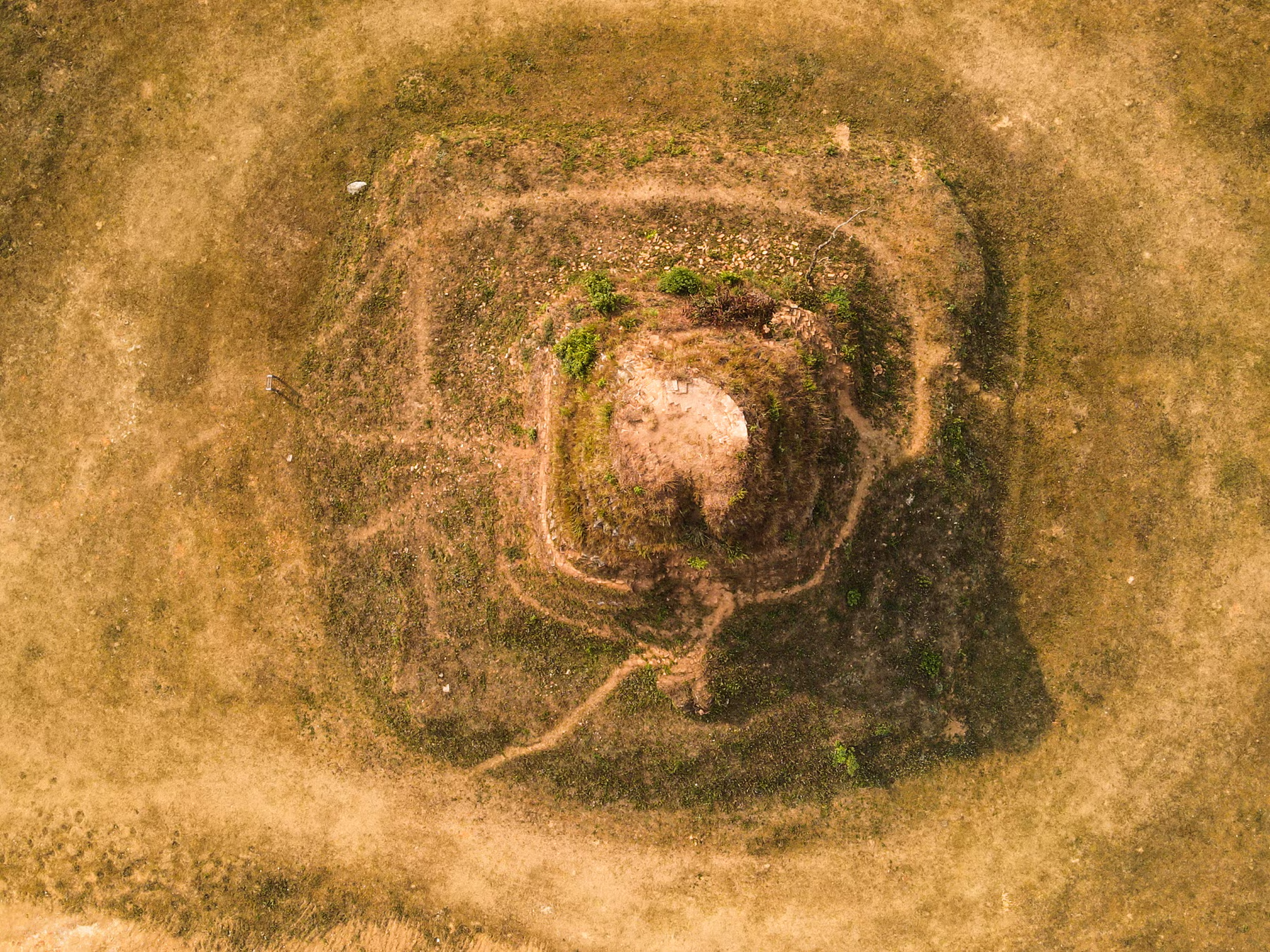
Recent excavations in the rolling hills of northeastern Romania have revealed a massive discovery: a colossal communal building dating back to approximately 4000 B.C.E. This architectural marvel is part of an ancient settlement known as Stăuceni-Holm, located in Botoșani County. Though the site was first spotted in the 1960s, it wasn't until 2023 that archaeologists began peeling back the layers of earth to reveal its secrets.
A Rare Glimpse into the Cucuteni-Trypillia Culture
The structure was built by the Cucuteni-Trypillia culture, a sophisticated network of early farmers who inhabited the lands of modern-day Romania, Moldova, and Ukraine between 4800 and 3000 B.C.E.
What makes this find so extraordinary?
A Rare Category: This is only the sixth megastructure of its kind ever to be excavated from this specific culture.
Early Origins: Radiocarbon dating identifies this as one of the oldest examples currently on record, offering a unique look at the very beginnings of massive-scale construction.
Strategic Location: The building, featuring a preserved oak floor, stood prominently at the entrance of a settlement consisting of about 45 homes.
The Mystery of the Megastructure
While the building is undeniably massive, much of it remains a mystery. To date, only about one-quarter of the site has been fully excavated. Researchers believe these "megastructures" served as central hubs for the community—perhaps acting as places for ritual gatherings, political assemblies, or communal storage.
The sheer scale of the building suggests a highly organized society capable of coordinating large labor forces and engineering complex wooden structures long before the rise of modern civilizations.
The Path Forward
The discovery at Stăuceni-Holm has sparked a new wave of scientific interest. Experts are currently planning more extensive research and further excavations to uncover the remaining three-quarters of the site. By studying the rest of this prehistoric giant, archaeologists hope to better understand the social dynamics and daily lives of the people who helped build the foundations of European agriculture and community life over six millennia ago.