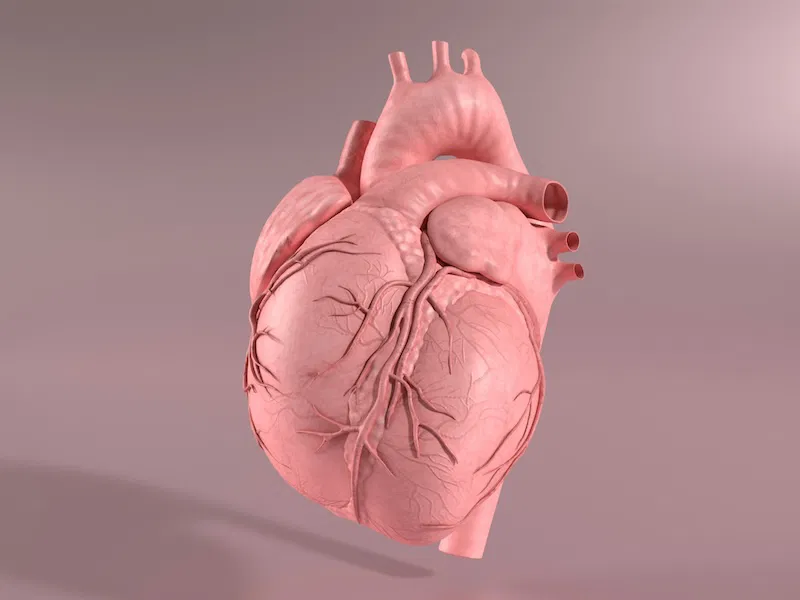
For many decades, doctors were convinced that once the heart was injured, it was incapable of fully repairing itself.
However, a recent study led by a researcher from the University of Arizona is challenging that belief and offering new optimism. The research team found that some patients who rely on artificial hearts—known as left ventricular assist devices (LVADs)—are actually able to regenerate new heart muscle cells.
This breakthrough could open the door to new treatments and possibly even a cure for heart failure.
Heart failure affects close to 7 million adults in the United States and is responsible for roughly 14% of deaths each year. At present, there is no cure. While medications can help slow the progression of the disease, they cannot reverse the damage. For patients with advanced heart failure, the only available options are a heart transplant or the use of mechanical devices like LVADs to assist blood circulation.
The study was led by Dr. Hesham Sadek, director of the Sarver Heart Center at the University of Arizona. He worked with an international team of scientists to investigate whether the human heart has the ability to regenerate. The research was supported by a grant from the Leducq Foundation, which funds collaborative medical research between teams in Europe and the United States.
To conduct the study, Sadek partnered with physicians at the University of Utah, who supplied heart tissue samples from patients who were using artificial heart devices.
Researchers in Sweden and Germany then examined these samples using a specialized carbon dating method. While similar techniques are commonly used by archaeologists to determine the age of ancient remains, in this case, the method was adapted to identify newly formed heart muscle cells.
The results were striking. In certain patients, heart muscle regeneration occurred at a rate more