• MAIN PAGE
  • LATEST NEWS
    • Lost Cities
    • Archaeology's Greatest Finds
    • Underwater Discoveries
    • Greatest Inventions
    • Studies
    • Blog
  • PHILOSOPHY
  • HISTORY
  • RELIGIONS
    • Africa
    • Anatolia
    • Arabian Peninsula
    • Balkan Region
    • China - East Asia
    • Europe
    • Eurasian Steppe
    • Levant
    • Mesopotamia
    • Oceania - SE Asia
    • Pre-Columbian Civilizations of America
    • Iranian Plateau - Central Asia
    • Indus Valley - South Asia
    • Japan
    • The Archaeologist Editor Group
    • Scientific Studies
    • Aegean Prehistory
    • Historical Period
    • Byzantine Middle Ages
    • Predynastic Period
    • Dynastic Period
    • Greco-Roman Egypt
  • Rome
  • PALEONTOLOGY
  • About us
Menu

The Archaeologist

  • MAIN PAGE
  • LATEST NEWS
  • DISCOVERIES
    • Lost Cities
    • Archaeology's Greatest Finds
    • Underwater Discoveries
    • Greatest Inventions
    • Studies
    • Blog
  • PHILOSOPHY
  • HISTORY
  • RELIGIONS
  • World Civilizations
    • Africa
    • Anatolia
    • Arabian Peninsula
    • Balkan Region
    • China - East Asia
    • Europe
    • Eurasian Steppe
    • Levant
    • Mesopotamia
    • Oceania - SE Asia
    • Pre-Columbian Civilizations of America
    • Iranian Plateau - Central Asia
    • Indus Valley - South Asia
    • Japan
    • The Archaeologist Editor Group
    • Scientific Studies
  • GREECE
    • Aegean Prehistory
    • Historical Period
    • Byzantine Middle Ages
  • Egypt
    • Predynastic Period
    • Dynastic Period
    • Greco-Roman Egypt
  • Rome
  • PALEONTOLOGY
  • About us

The Burial Practices of the Vikings

December 27, 2025

Overview of Viking Burial Traditions
Viking burial practices offer deep insight into Norse beliefs about death, honor, and the afterlife. These practices varied by region, status, and period, but all reflected a strong belief that life continued beyond death. Burial rituals were carefully planned to prepare the deceased for their journey to the next world, which could include Valhalla, Folkvangr, or Hel, depending on one’s life and manner of death.

Ship Burials and Their Meaning
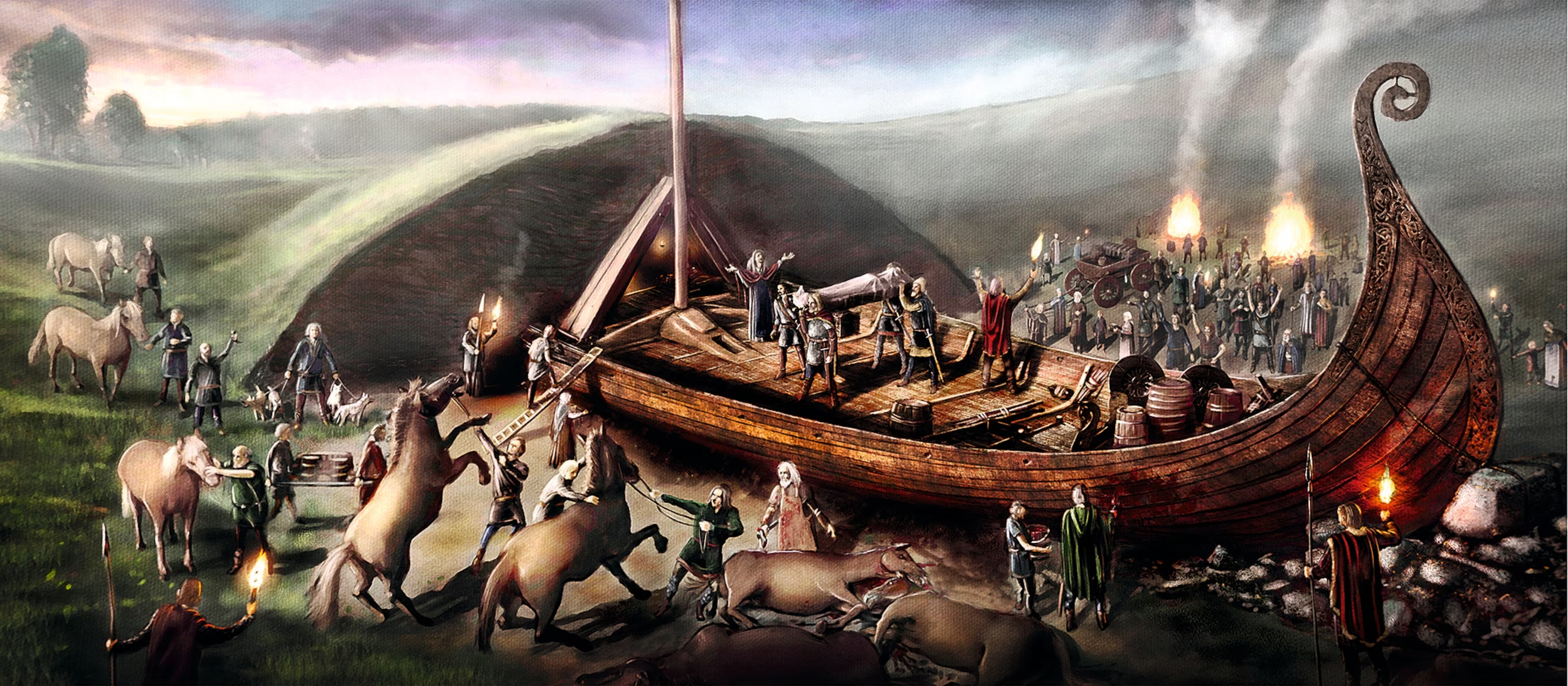
One of the most striking Viking burial customs was the ship burial. High-status individuals, such as chieftains, warriors, and nobles, were placed inside ships or ship-shaped graves. The ship symbolized travel, reflecting the Viking belief that death was a journey rather than an end. Famous examples, such as the Oseberg and Gokstad ship burials in Norway, demonstrate how ships were both functional vessels and sacred symbols of transition to the afterlife.

Grave Goods and Social Status
Viking graves often contained weapons, tools, jewelry, food, animals, and household items. Warriors were buried with swords, shields, and armor, suggesting they would continue fighting in the afterlife. Women’s graves frequently included jewelry, weaving tools, and keys, symbolizing domestic authority and social roles. These goods reflected not only beliefs about the afterlife but also the social identity of the deceased.

Animal and Human Sacrifice
Some elite burials included sacrificed animals such as horses, dogs, and birds, believed to serve or accompany the deceased in the next world. In rare cases, human sacrifice occurred, emphasizing the power and prestige of elite individuals. These rituals reinforced Norse ideas of loyalty, honor, and divine favor.

Beliefs About the Afterlife
Viking mythology described several destinations for the dead. Valhalla welcomed warriors who died bravely in battle, while Folkvangr received others chosen by the goddess Freyja. Those who died of illness or old age were believed to go to Hel. Burial customs reflected these beliefs, emphasizing readiness, honor, and continuity beyond death.

Legacy and Archaeological Importance
Viking burials provide valuable evidence of Norse religion, social structure, and daily life. Archaeological discoveries continue to reshape modern understanding of Viking spirituality and their deeply symbolic relationship with death and the afterlife.
← The Religious Syncretism of the Hellenistic WorldArtificial heart can regrow heart muscle, study finds →
Featured
image_2025-12-27_175559310.png
Dec 27, 2025
The Hellenistic Libraries of the Ancient World
Dec 27, 2025
Read More →
Dec 27, 2025
image_2025-12-27_175034115.png
Dec 27, 2025
The Ancient Oracle of Siwa
Dec 27, 2025
Read More →
Dec 27, 2025
image_2025-12-27_174206291.png
Dec 27, 2025
The Megalithic Temples of Malta
Dec 27, 2025
Read More →
Dec 27, 2025
image_2025-12-27_174101989.png
Dec 27, 2025
The Bronze Mirrors of Ancient China
Dec 27, 2025
Read More →
Dec 27, 2025
image_2025-12-27_173423723.png
Dec 27, 2025
The Oldest Known Surgery Techniques
Dec 27, 2025
Read More →
Dec 27, 2025
image_2025-12-27_172050689.png
Dec 27, 2025
The Role of the Jaguar in Mesoamerican Religion
Dec 27, 2025
Read More →
Dec 27, 2025
read more

Powered by The archaeologist