Introduction
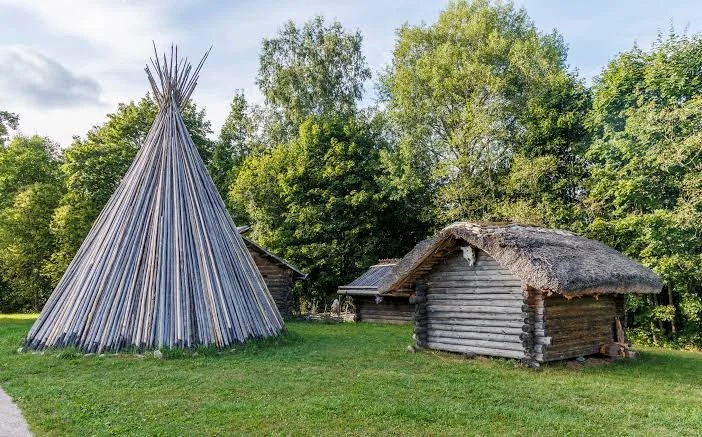
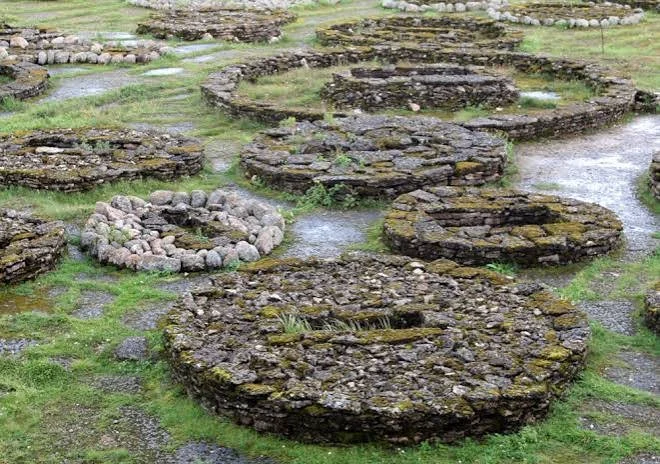
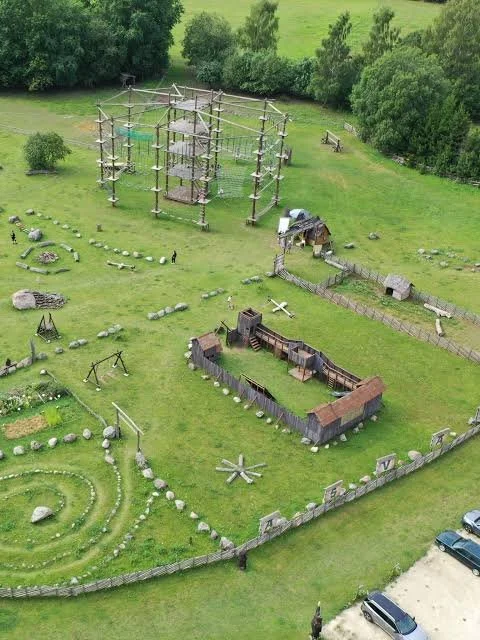
Asva, located on the island of Saaremaa in Estonia, is one of the most important prehistoric fortified settlements in the eastern Baltic.
The site is particularly valuable because archaeological excavations have revealed evidence of settlement, metalworking, agriculture, animal husbandry, and long-distance connections.
Asva demonstrates that Iron Age communities in the Baltic were technologically sophisticated and economically interconnected.
Its fortifications also provide evidence for a society in which security and collective defense had become important concerns.
Saaremaa's Strategic Position
Saaremaa occupies a crucial position in the Baltic Sea.
Its location allowed inhabitants to interact with communities across the Baltic.
The island could function as a stopping point for maritime travelers.
Its natural resources also supported agriculture, fishing, livestock, and craft production.
Asva therefore benefited from both its local environment and its maritime location.
The Fortified Settlement
The settlement was protected by defensive structures.
Fortifications may have included walls, ditches, and wooden elements.
Such structures required considerable labor.
The existence of a fortified settlement indicates that residents anticipated threats or wanted to demonstrate control over the surrounding territory.
Metalworking
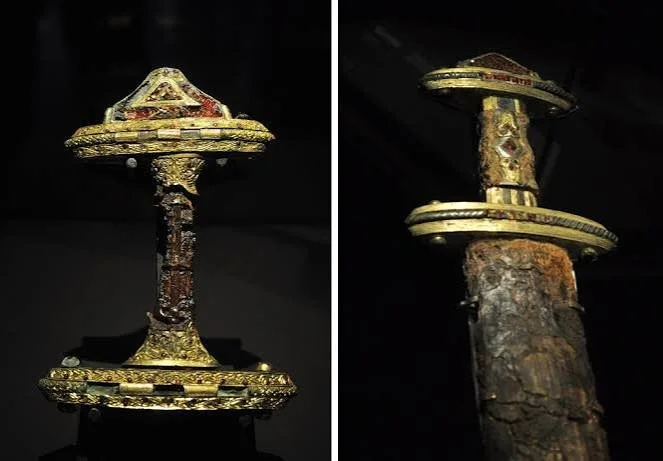
One of Asva's most important archaeological characteristics is evidence for metalworking.
Iron and bronze technologies transformed prehistoric society.
Metal tools were stronger and more durable than many earlier materials.
Weapons could be manufactured with increasing sophistication.
Bronze ornaments also served as markers of status.
A community capable of working metals possessed valuable technical knowledge.
Bronze Casting
Bronze objects could be produced using casting techniques.
Metal had to be heated until molten and poured into prepared molds.
After cooling, the object could be finished through hammering, grinding, and polishing.
This process required specialized knowledge of temperature, materials, and tool use.
The presence of metallurgical production at Asva therefore indicates craft specialization.
Agriculture and Food Production
Despite its maritime connections, Asva depended upon agriculture.
Crops and livestock provided the foundation of daily life.
Farmers grew cereals and maintained animals such as cattle, sheep, pigs, and horses.
Fishing supplemented agricultural production.
The combination of farming and marine resources created a diversified economy.
Trade Networks
Objects found at Asva demonstrate that the settlement participated in wider exchange systems.
The Baltic Sea facilitated movement.
Goods could travel between Estonia, Scandinavia, Finland, the eastern Baltic, and continental Europe.
Exchange networks carried not only objects but also ideas and technologies.
Social Organization
The existence of specialized craft production suggests economic differentiation.
Not everyone could devote their time to metalworking.
Some individuals likely specialized in particular crafts while others concentrated on agriculture, fishing, construction, or warfare.
Such specialization is a characteristic of increasingly complex societies.
Warfare and Community Defense
The fortified character of Asva indicates the importance of defense.
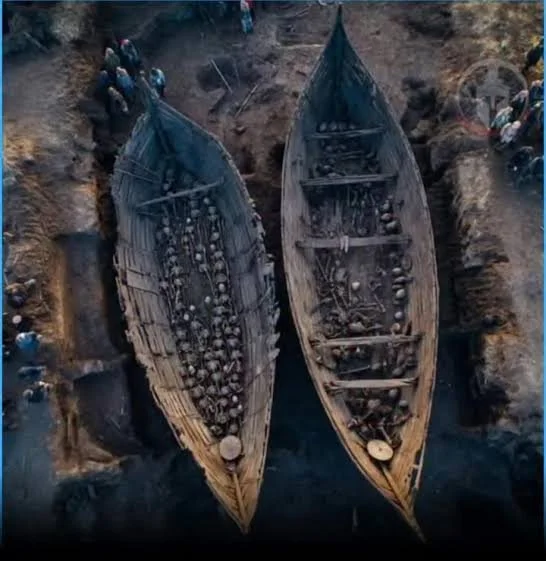
Weapons and fortifications together suggest that warfare was part of the social environment.
Yet military organization should not be understood separately from economics.
Control over agricultural land, livestock, trade routes, and craft production could generate conflict.
Archaeological Significance
Asva has contributed significantly to archaeological understanding of Iron Age Estonia.
The site's layers preserve evidence from different periods.
This allows archaeologists to examine changes in technology, settlement organization, and economic activity over time.
Rather than presenting a single moment, the settlement preserves a long process of transformation.
Conclusion
Asva was far more than an Iron Age fort.
It was a settlement where agriculture, metalworking, trade, maritime activity, and defense came together.
Its archaeological record demonstrates that communities in the eastern Baltic were deeply connected to wider European developments.
Asva provides a valuable reminder that Iron Age Estonia was a technologically capable and economically active society with its own complex political and cultural traditions.