Introduction
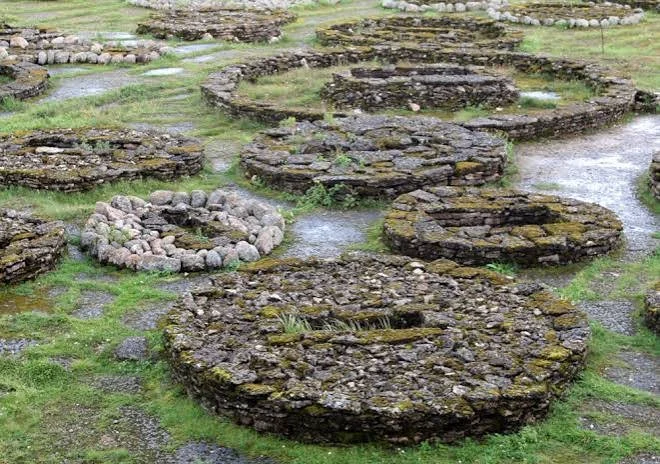
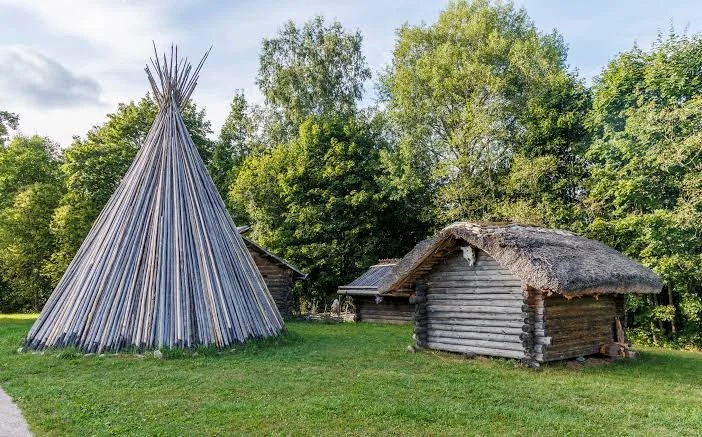
Rõuge is an important archaeological site in southeastern Estonia that provides evidence for prehistoric settlement, fortification, agriculture, and community organization.
The site belongs to a landscape shaped by lakes, forests, agricultural land, and natural elevations.
Hillforts were among the most distinctive settlement forms in prehistoric and early medieval northeastern Europe.
They could serve as defensive strongholds, communal gathering places, elite residences, or refuges during periods of conflict.
Rõuge helps archaeologists investigate how communities adapted to changing political and economic conditions in the Baltic region.
The Landscape
Rõuge's natural environment played an important role in settlement development.
Lakes provided fish and water.
Forests supplied timber, wild resources, and fuel.
Agricultural land supported cultivation and livestock.
Elevated terrain offered strategic advantages.
The relationship between settlement and environment was therefore fundamental.
Fortification
Hillforts were usually constructed in locations where natural slopes could supplement artificial defenses.
People could reinforce vulnerable approaches using earthworks, wooden structures, ditches, and palisades.
The labor required to construct these defenses suggests some degree of community organization.
A fortification was not simply a military structure.
It was also a statement that the inhabitants possessed the ability to organize collective labor.
Everyday Life
Archaeological evidence from settlements such as Rõuge can reveal ordinary activities.
People cultivated crops.
They raised animals.
They processed food.
They produced pottery.
They worked wood, bone, stone, and metal.
Homes would have contained hearths used for cooking and heating.
Waste accumulated around living areas, creating archaeological deposits that survive for centuries.
Agriculture
Agriculture was essential to the survival of settled communities.
Crops suitable for the regional climate could include barley, wheat, rye, oats, and other plants depending on the period.
Farmers also kept livestock.
Agricultural production created food surpluses that could support specialists and warriors.
The relationship between farming and fortification was therefore significant.
Communities with agricultural resources could invest more heavily in defensive structures.
Trade and Exchange
Rõuge existed within broader networks connecting Estonia with neighboring regions.
Objects and raw materials could move across local and long-distance routes.
Baltic communities participated in exchange networks involving metals, amber, furs, ceramics, and other goods.
The presence of non-local materials can reveal these connections.
Conflict and Defense
Fortifications imply the possibility of conflict.
However, archaeologists must be cautious.
A fortified site does not necessarily mean that warfare occurred continuously.
Communities may have constructed defensive structures because conflict was possible or because fortification communicated political authority.
The psychological effect of a stronghold could be as important as its military function.
Social Organization
The construction and maintenance of a hillfort required cooperation.
People had to gather materials, construct walls, maintain defensive features, and coordinate settlement activities.
This indicates a community capable of collective organization.
Leadership may have been exercised by local elites, chiefs, or communal institutions.
Archaeological Methods
Archaeologists reconstruct prehistoric settlements using multiple types of evidence.
Excavations reveal layers of occupation.
Pollen analysis can reconstruct vegetation and agricultural activity.
Animal bones reveal diet and livestock management.
Charcoal provides evidence about fuel and environmental conditions.
Artifact analysis reveals technology and trade.
Together, these methods reconstruct the environment as well as the human settlement.
The Broader Baltic Context
Rõuge should not be studied in isolation.
The Baltic region contained numerous communities connected through trade, migration, conflict, and cultural exchange.
Estonia occupied a strategic position between Scandinavian, eastern Baltic, and eastern European networks.
This location made the region an important crossroads.
Conclusion
Rõuge illustrates the complexity of prehistoric Estonian society.
Its settlement and fortification demonstrate organized communities capable of defending territory, producing food, manufacturing tools, and participating in wider networks.
The site reminds us that the Baltic was never a peripheral world.
It was a dynamic region where communities developed distinctive traditions while interacting with their neighbors.
Rõuge's archaeological remains provide an important window into this long and complicated history.