Introduction
Ridala represents an important part of Estonia's prehistoric funerary landscape.
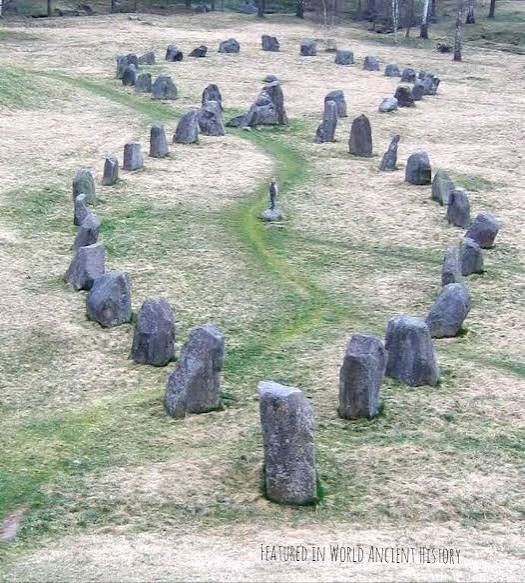
Stone cist graves are among the distinctive burial traditions found in the Baltic region, reflecting changing approaches to death, ancestry, and community identity.
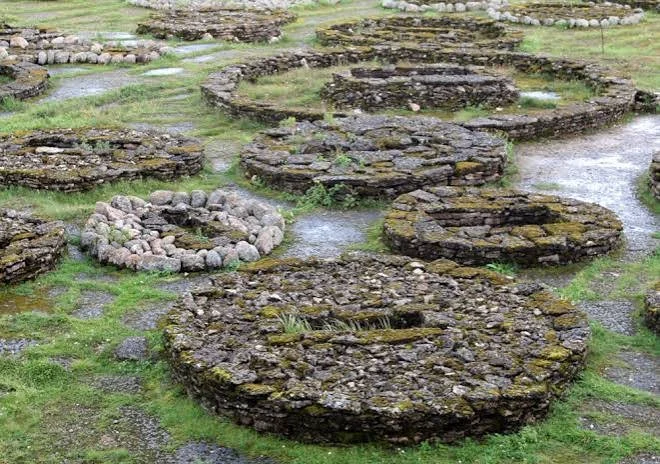
A stone cist grave generally consists of a burial chamber constructed from stone slabs or carefully arranged stones.
These structures were not merely practical containers for human remains.
They were monuments.
They marked particular locations in the landscape and provided communities with physical places through which relationships with ancestors could be maintained.
The Construction of Stone Cists
Constructing a stone cist required careful selection and placement of stones.
Large slabs had to be transported and arranged to create a recognizable burial structure.
The process required cooperation.
Even relatively small monuments could therefore represent collective labor.
The construction itself may have been part of the funerary ritual.
Burial Practices
Prehistoric burial customs varied considerably.
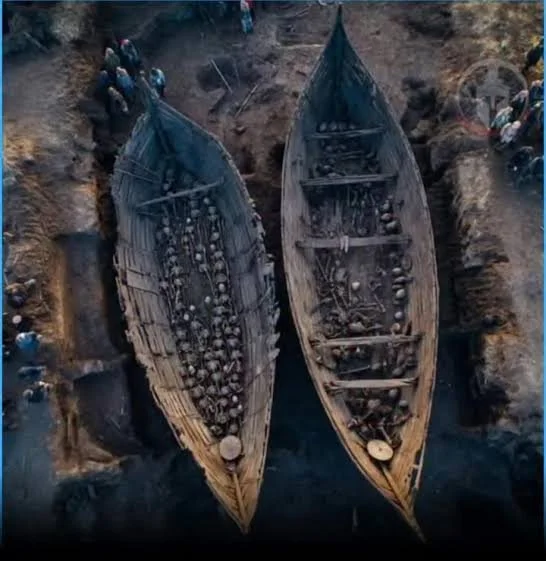
Some individuals were buried intact.
Others were cremated before their remains were deposited.
Different communities and periods used different practices.
The archaeological study of Ridala helps researchers investigate these changing approaches.
Burial customs can reveal ideas about identity, family, status, and religious belief.
The Importance of Stone
Stone was an especially powerful material for monuments.
Unlike wood, stone survives for thousands of years.
A stone grave could therefore become a permanent feature of the landscape.
Its durability helped maintain memory.
Generations could recognize the same monument even after the original burial community had disappeared.
Ancestors and Landscape
Burial monuments connected the living with the dead.
Ancestors could become part of local identity.
A community occupying a landscape containing ancient graves could claim continuity with previous generations.
This may have strengthened territorial identity.
The grave was therefore both a religious monument and a statement about belonging.
Social Differences
Not every burial monument was necessarily equal.
Differences in size, construction, grave goods, and location may reflect differences in social status.
However, archaeologists must avoid assuming that every elaborate grave represents an individual ruler.
Burial traditions can also reflect family structures, collective identities, and ritual practices.
Grave Goods
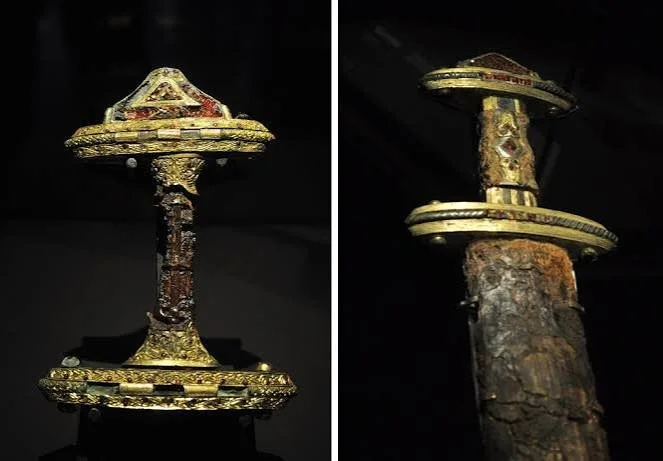
Objects placed with the dead can include ornaments, tools, weapons, ceramics, and personal possessions.
These artifacts may have served symbolic or practical purposes.
They can also reveal technological traditions and trade connections.
Imported objects are especially valuable because they indicate interaction with distant communities.
The Broader Baltic Tradition
Stone cist graves occur across parts of northern and eastern Europe.
Their distribution allows archaeologists to compare funerary practices between communities.
Similar architectural traditions do not necessarily mean that groups shared exactly the same beliefs.
Cultural similarities may arise through contact, migration, or independent development.
Archaeological Interpretation
Modern archaeology approaches burial sites carefully.
Human remains can reveal age, sex, health, disease, trauma, and diet.
Isotope analysis can sometimes reveal geographic mobility.
Ancient DNA can provide information about biological relationships.
Artifact analysis can reconstruct trade and technology.
Together, these methods allow researchers to examine individuals as well as communities.
Conclusion
Ridala's stone cist graves provide a valuable window into prehistoric Estonian attitudes toward death and memory.
The graves demonstrate that communities invested considerable effort in creating durable monuments.
They transformed particular locations into places of remembrance.
Through stone, landscape, ritual, and burial, generations maintained connections with those who had died.
Ridala therefore represents more than an archaeological cemetery.
It is evidence of how prehistoric communities used the landscape to preserve identity and memory.