A Forgotten Hub of Ancient Global Trade
On the shores of the Red Sea once stood the ancient port of Ayla, a vital gateway connecting Africa, Asia, and the Mediterranean world.
A Strategic Location
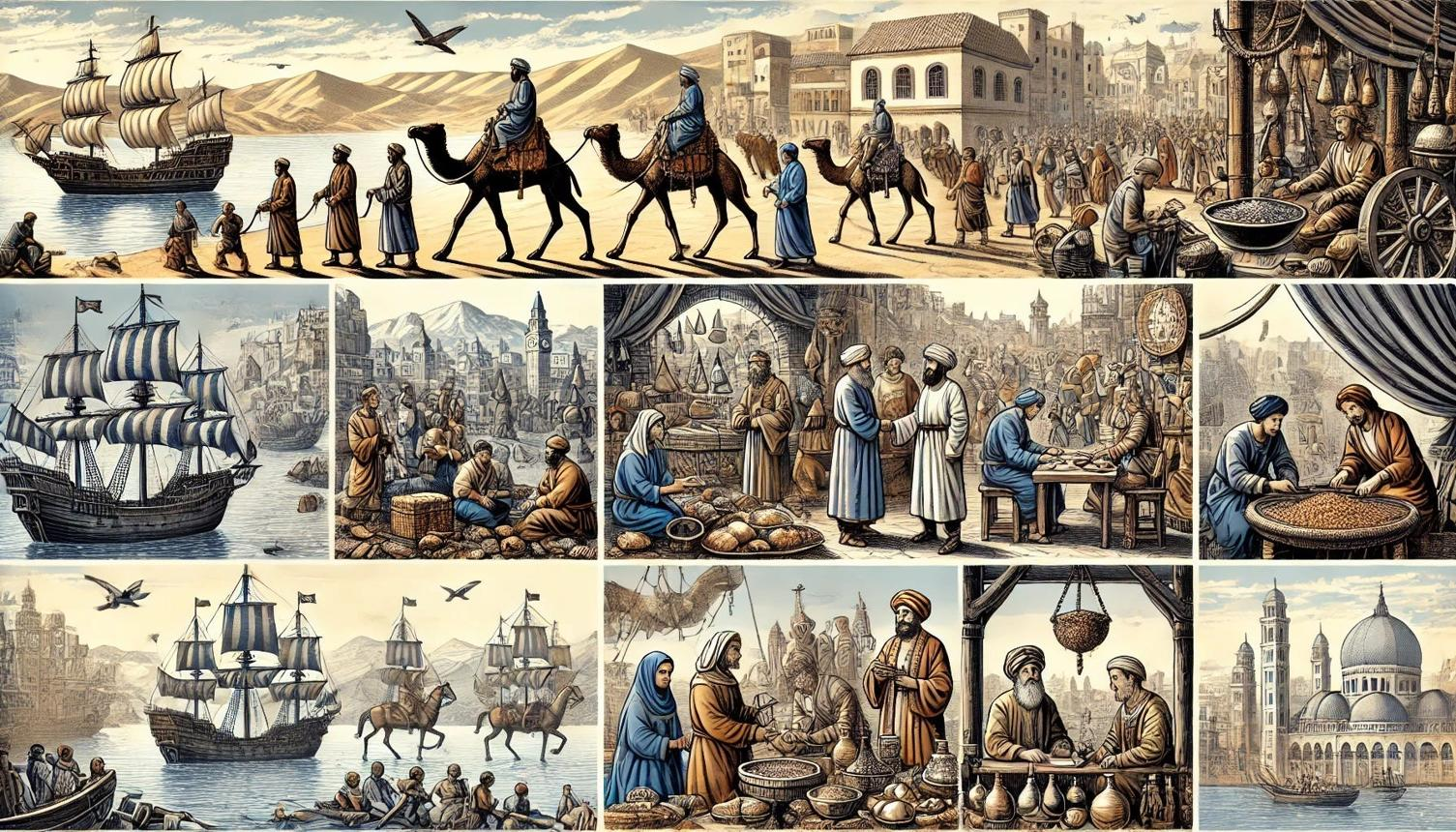
Ayla’s position at the northern tip of the Red Sea made it a crucial crossroads for trade routes linking:
Arabia
Egypt
India
East Africa
Merchants passed through carrying spices, textiles, metals, and luxury goods.
A Multicultural City
Archaeological evidence suggests Ayla was a cosmopolitan settlement where diverse cultures interacted. Goods and ideas flowed through its harbor, shaping regional economies.
Urban Planning and Infrastructure
Excavations reveal:
Fortified city walls
Organized street grids
Harbor facilities
Religious structures
This suggests a well-planned urban center rather than a simple trading post.
Decline and Transformation
Over time, shifts in trade routes and political changes led to Ayla’s decline. However, its legacy remains embedded in later port cities in the region.
Conclusion: A Forgotten Gateway
Ayla represents the hidden infrastructure of ancient globalization. It was not just a port—it was a bridge between worlds.
The First Farmers: How the Neolithic Revolution Changed Human Biology
A Turning Point in Human History
The transition from hunting and gathering to agriculture—known as the Neolithic Revolution—was one of the most transformative events in human history. It reshaped societies, economies, and even human biology.
This shift began in multiple regions, including the Fertile Crescent, where early communities domesticated plants and animals.
Changes in Diet and Body
Agriculture introduced new foods such as grains and domesticated livestock. This led to:
Increased carbohydrate consumption
Reduced dietary diversity
Changes in jaw structure due to softer food
Higher population densities
These dietary shifts had long-term biological effects.
Disease and Population Growth
Settled farming communities lived in closer proximity, which increased exposure to infectious diseases. However, agriculture also supported larger populations, creating the foundation for cities and civilizations.
Genetic Adaptations
Over time, humans developed genetic adaptations such as:
Lactose tolerance in dairy farming societies
Amylase gene variations for starch digestion
Resistance to certain diseases
Social Transformation
Agriculture also led to:
Property ownership
Social hierarchies
Permanent settlements
Organized governance
Human societies became more complex and stratified.
Conclusion: The Biological Legacy of Farming
The Neolithic Revolution did not just change what humans ate—it changed what humans are. Its effects are still visible in our bodies, genetics, and societies today.