Nature’s Most Haunting Archives
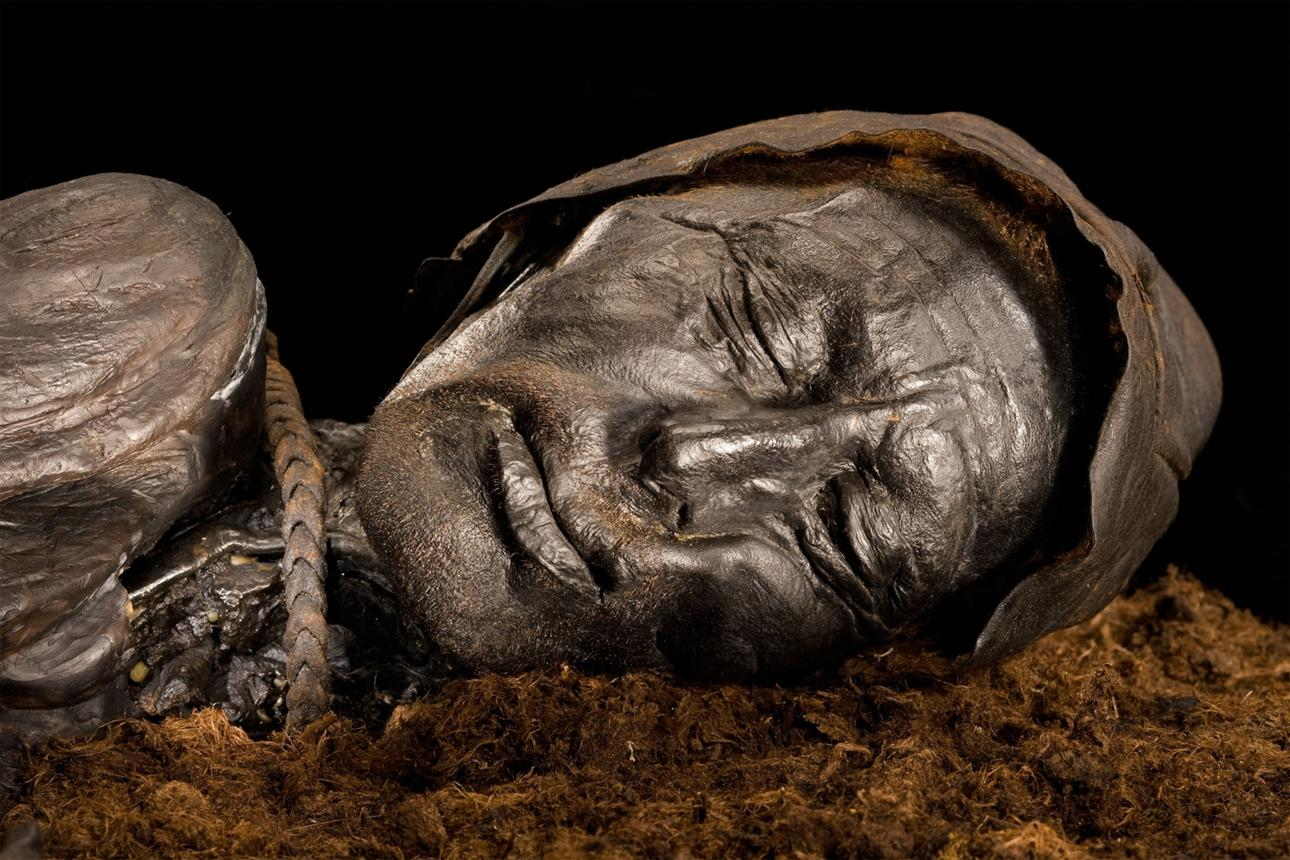
Across northern Europe, archaeologists have discovered remarkably preserved human remains buried in peat bogs. Known as bog bodies, these individuals offer an intimate glimpse into ancient life—and death.
These discoveries are especially common in regions associated with ancient Iron Age Europe societies.
A Natural Preservation Process
Bog bodies are preserved due to unique environmental conditions:
Low oxygen levels
High acidity
Cold temperatures
Antibacterial compounds in peat
These conditions slow decomposition dramatically, preserving skin, hair, and even clothing.
Who Were They?
Many bog bodies date to the Iron Age and appear to have died violent deaths. Some show signs of:
Strangulation
Blunt force trauma
Ritual execution
This has led researchers to suggest they may have been sacrificial victims.
Ritual or Punishment?
The exact reason for their deaths remains debated. Possible explanations include:
Religious sacrifice to deities
Punishment for crimes
Political executions
Burial of outsiders or prisoners
Extraordinary Preservation
Some bog bodies are so well preserved that fingerprints, facial features, and stomach contents can still be analyzed.
This provides rare insight into:
Diet (grains, seeds, meat)
Health conditions
Last meals before death
A Window Into the Past
Bog bodies are more than archaeological curiosities—they are direct physical connections to individuals who lived thousands of years ago.
Conclusion: Voices from the Earth
These preserved remains challenge us to think about ancient societies not just as cultures, but as human communities with complex beliefs, fears, and rituals.