• MAIN PAGE
  • LATEST NEWS
    • Lost Cities
    • Archaeology's Greatest Finds
    • Underwater Discoveries
    • Greatest Inventions
    • Studies
    • Blog
  • PHILOSOPHY
  • HISTORY
  • RELIGIONS
    • Africa
    • Anatolia
    • Arabian Peninsula
    • Balkan Region
    • China - East Asia
    • Europe
    • Eurasian Steppe
    • Levant
    • Mesopotamia
    • Oceania - SE Asia
    • Pre-Columbian Civilizations of America
    • Iranian Plateau - Central Asia
    • Indus Valley - South Asia
    • Japan
    • The Archaeologist Editor Group
    • Scientific Studies
    • Aegean Prehistory
    • Historical Period
    • Byzantine Middle Ages
    • Predynastic Period
    • Dynastic Period
    • Greco-Roman Egypt
  • Rome
  • PALEONTOLOGY
  • About us
Menu

The Archaeologist

  • MAIN PAGE
  • LATEST NEWS
  • DISCOVERIES
    • Lost Cities
    • Archaeology's Greatest Finds
    • Underwater Discoveries
    • Greatest Inventions
    • Studies
    • Blog
  • PHILOSOPHY
  • HISTORY
  • RELIGIONS
  • World Civilizations
    • Africa
    • Anatolia
    • Arabian Peninsula
    • Balkan Region
    • China - East Asia
    • Europe
    • Eurasian Steppe
    • Levant
    • Mesopotamia
    • Oceania - SE Asia
    • Pre-Columbian Civilizations of America
    • Iranian Plateau - Central Asia
    • Indus Valley - South Asia
    • Japan
    • The Archaeologist Editor Group
    • Scientific Studies
  • GREECE
    • Aegean Prehistory
    • Historical Period
    • Byzantine Middle Ages
  • Egypt
    • Predynastic Period
    • Dynastic Period
    • Greco-Roman Egypt
  • Rome
  • PALEONTOLOGY
  • About us
No results found

Belz: Ukraine's Medieval Trade Center

September 20, 2026

Introduction

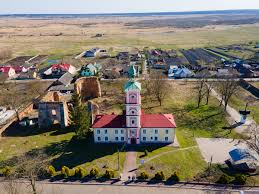
Belz was an important medieval settlement in the western Ukrainian historical landscape.

Its position near routes connecting the lands of Rus' with Central Europe contributed to its economic and political importance.

Unlike monumental capitals whose significance is immediately visible through surviving architecture, places such as Belz demonstrate the importance of regional towns within medieval economic systems.

Geography and Trade

Belz was located in a region characterized by agricultural production and connections toward Poland and other Central European territories.

Medieval trade depended heavily on overland routes.

Merchants transported:

  • salt;

  • furs;

  • wax;

  • honey;

  • textiles;

  • metal goods;

  • ceramics;

  • luxury objects.

Fortification

Medieval towns frequently required defensive structures.

Belz developed as a fortified settlement, reflecting the political instability of the region.

Defensive systems could include:

  • earth ramparts;

  • wooden palisades;

  • ditches;

  • gates;

  • towers.

Political Changes

The region experienced repeated political transformations.

Belz was connected at different times with Rus' principalities and later with Polish and other political structures.

These changes affected taxation, administration, trade routes, and cultural institutions.

Archaeological Evidence

Archaeology is particularly valuable for reconstructing Belz's medieval history.

Artifacts can reveal:

  • household activities;

  • craft production;

  • commercial connections;

  • dietary practices;

  • military activity.

Ceramic imports are particularly useful because they can indicate connections between settlements.

Craft Production

Medieval towns depended on specialized craftsmen.

Evidence may include traces of:

  • blacksmithing;

  • pottery;

  • leatherworking;

  • woodworking;

  • textile production.

Such industries were essential to urban life.

Religion

Christian institutions played an important role in medieval Belz.

Churches and monasteries were not only religious centers but also important landowners and cultural institutions.

Religious buildings helped shape the social geography of medieval towns.

Conclusion

Belz illustrates the importance of regional medieval towns in the economic and political development of Eastern Europe.

Its location allowed it to participate in commercial networks connecting Rus' with Central Europe.

Its archaeological record helps demonstrate that medieval urbanism extended far beyond the famous capitals.
← Pereyaslav: Ukraine's 10th-Century Fortified TownHalych: Ukraine's 12th-Century Princely Seat →
Featured
images (88).jpeg
September 20, 2026
Vendel Cemetery: Sweden's Pre-Viking Elite Graves
September 20, 2026
Read more →
September 20, 2026
images (89).jpeg
September 20, 2026
Valsgärde: Sweden's Ship Burials
September 20, 2026
Read more →
September 20, 2026
images (90).jpeg
September 20, 2026
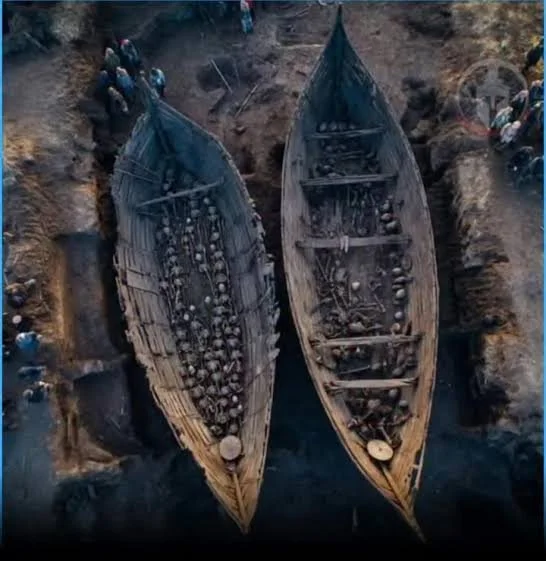
Boat Graves of Salme: Estonia's 8th-Century Warriors
September 20, 2026
Read more →
September 20, 2026
images (92).jpeg
September 20, 2026
Rõuge: Estonia's Bronze Age Hillfort
September 20, 2026
Read more →
September 20, 2026
images (93).jpeg
September 20, 2026
Asva: Saaremaa's Iron Age Fort
September 20, 2026
Read more →
September 20, 2026
images (94).jpeg
September 20, 2026
Ridala: Estonia's Stone Cist Graves
September 20, 2026
Read more →
September 20, 2026
read more

Powered by The archaeologist