• MAIN PAGE
  • LATEST NEWS
    • Lost Cities
    • Archaeology's Greatest Finds
    • Underwater Discoveries
    • Greatest Inventions
    • Studies
    • Blog
  • PHILOSOPHY
  • HISTORY
  • RELIGIONS
    • Africa
    • Anatolia
    • Arabian Peninsula
    • Balkan Region
    • China - East Asia
    • Europe
    • Eurasian Steppe
    • Levant
    • Mesopotamia
    • Oceania - SE Asia
    • Pre-Columbian Civilizations of America
    • Iranian Plateau - Central Asia
    • Indus Valley - South Asia
    • Japan
    • The Archaeologist Editor Group
    • Scientific Studies
    • Aegean Prehistory
    • Historical Period
    • Byzantine Middle Ages
    • Predynastic Period
    • Dynastic Period
    • Greco-Roman Egypt
  • Rome
  • PALEONTOLOGY
  • About us
Menu

The Archaeologist

  • MAIN PAGE
  • LATEST NEWS
  • DISCOVERIES
    • Lost Cities
    • Archaeology's Greatest Finds
    • Underwater Discoveries
    • Greatest Inventions
    • Studies
    • Blog
  • PHILOSOPHY
  • HISTORY
  • RELIGIONS
  • World Civilizations
    • Africa
    • Anatolia
    • Arabian Peninsula
    • Balkan Region
    • China - East Asia
    • Europe
    • Eurasian Steppe
    • Levant
    • Mesopotamia
    • Oceania - SE Asia
    • Pre-Columbian Civilizations of America
    • Iranian Plateau - Central Asia
    • Indus Valley - South Asia
    • Japan
    • The Archaeologist Editor Group
    • Scientific Studies
  • GREECE
    • Aegean Prehistory
    • Historical Period
    • Byzantine Middle Ages
  • Egypt
    • Predynastic Period
    • Dynastic Period
    • Greco-Roman Egypt
  • Rome
  • PALEONTOLOGY
  • About us
No results found

Halych: Ukraine's 12th-Century Princely Seat

September 20, 2026

Introduction

Halych was one of the most important political centers of medieval western Rus'.

Located in present-day western Ukraine, the settlement became the center of the Principality of Halych and later contributed its name to the larger political entity known as the Kingdom of Galicia–Volhynia.

During the twelfth and thirteenth centuries, Halych became a major center of political power, religion, trade, and culture.

The Galician Landscape

Halych benefited from fertile agricultural lands and access to important regional routes.

Its territory was also associated with valuable resources, including salt.

Salt was one of the most important commodities of medieval Europe.

It was essential for:

  • food preservation;

  • animal husbandry;

  • trade;

  • taxation.

The Princely Center

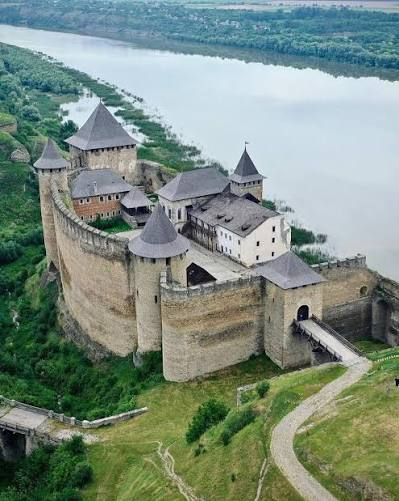
Halych developed a fortified political center where the ruling dynasty exercised authority.

The princely residence represented more than a defensive structure.

It was a center of:

  • administration;

  • diplomacy;

  • military planning;

  • taxation;

  • religious patronage.

Religious Architecture

Christianity was deeply integrated into Halych's political culture.

Churches and monasteries served as religious centers while simultaneously demonstrating princely wealth.

Stone architecture required substantial investment and skilled craftsmen.

International Connections

Halych interacted with neighboring powers including:

  • Poland;

  • Hungary;

  • Byzantium;

  • other Rus' principalities;

  • steppe societies.

Political alliances and conflicts brought the city into broader European affairs.

The Formation of Galicia–Volhynia

In the late twelfth and early thirteenth centuries, political developments connected Halych with Volhynia.

The resulting political entity became one of the most important Rus' successor states following the fragmentation and Mongol conquest of earlier political centers.

Archaeological Significance

Archaeological research around Halych has revealed evidence of:

  • fortifications;

  • churches;

  • residences;

  • craft production;

  • cemeteries;

  • imported goods.

These findings allow researchers to reconstruct the city's development beyond what written chronicles record.

Decline

Political changes eventually reduced Halych's importance as a primary political center.

Nevertheless, its legacy survived in the names and political traditions associated with Galicia.

Conclusion

Halych demonstrates the complexity of medieval western Rus'.

Its prosperity depended on agriculture, trade, natural resources, religious institutions, and princely authority.

The city was not isolated from Europe but participated in a dynamic political environment connecting Eastern and Central Europe.
← Belz: Ukraine's Medieval Trade CenterTmutarakan: Ukraine's 10th-Century Greek Colony →
Featured
images (88).jpeg
September 20, 2026
Vendel Cemetery: Sweden's Pre-Viking Elite Graves
September 20, 2026
Read more →
September 20, 2026
images (89).jpeg
September 20, 2026
Valsgärde: Sweden's Ship Burials
September 20, 2026
Read more →
September 20, 2026
images (90).jpeg
September 20, 2026
Boat Graves of Salme: Estonia's 8th-Century Warriors
September 20, 2026
Read more →
September 20, 2026
images (92).jpeg
September 20, 2026
Rõuge: Estonia's Bronze Age Hillfort
September 20, 2026
Read more →
September 20, 2026
images (93).jpeg
September 20, 2026
Asva: Saaremaa's Iron Age Fort
September 20, 2026
Read more →
September 20, 2026
images (94).jpeg
September 20, 2026
Ridala: Estonia's Stone Cist Graves
September 20, 2026
Read more →
September 20, 2026
read more

Powered by The archaeologist