New Theory Challenges Origins of the Book of Kells
A new research project suggests that the famous Book of Kells may not have been created on Iona as traditionally believed. Instead, scholars are exploring the possibility that it was produced in Easter Ross, at a monastery in Portmahomack.
This fresh perspective could reshape long-standing assumptions about one of the most celebrated medieval manuscripts in history.
A Masterpiece of Medieval Art
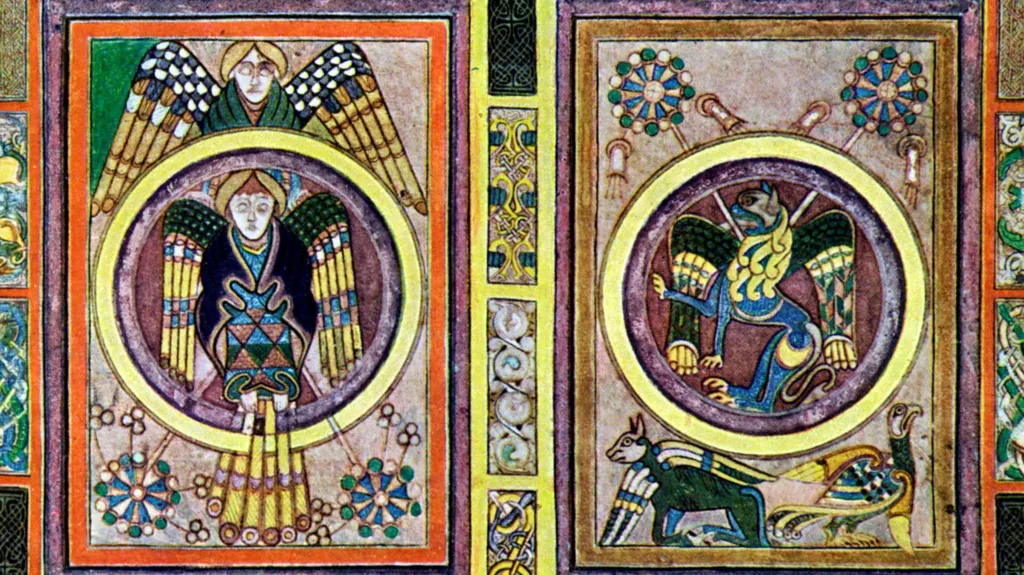
The Book of Kells, created around 1,200 years ago, contains the four Gospels of the Christian New Testament. Renowned for its intricate lettering and vivid illustrations, it has often been described as “the work of angels.”
For centuries, historians believed it was produced by monks on Iona before being moved to Ireland after Viking raids.
Evidence from Portmahomack
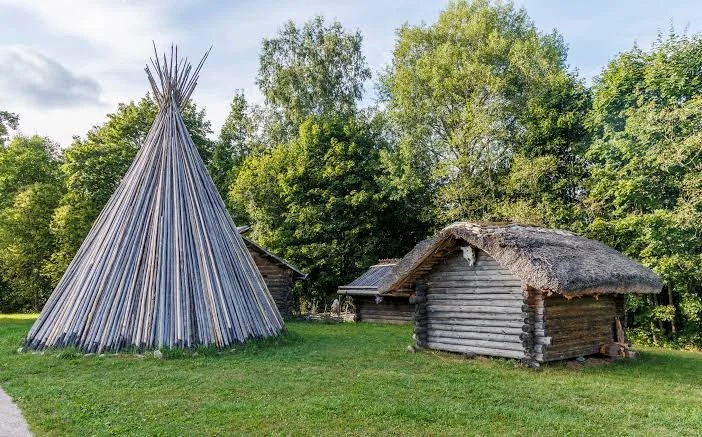
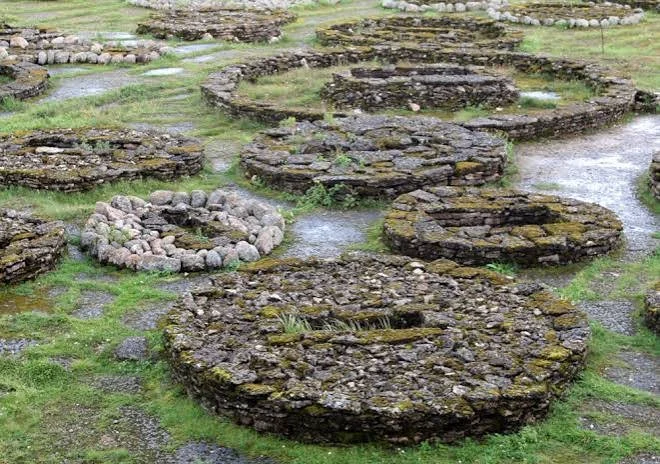
The new theory is based on archaeological discoveries at Portmahomack, where a specialized workshop—known as a parchmenarie—was uncovered during excavations in the late 1990s and early 2000s.
This workshop shows clear evidence of vellum production, the fine parchment used for manuscripts. Archaeologists found tools such as knives and pumice stones, as well as bone pegs used to stretch animal skins during drying.
They also uncovered fireplaces containing traces of burnt seaweed, which was used to create soda ash. When mixed with water, this substance helped remove hair from animal hides—an essential step in preparing parchment.
A Unique Production Method
Unlike typical medieval parchment-making, which relied on lime, the Portmahomack workshop may have used a seaweed-based solution. This alternative process could have encouraged bacterial activity, affecting the texture of the parchment.
Interestingly, some pages of the Book of Kells contain tiny pockmarks, which researchers believe could be the result of bacteria interacting with the hides during preparation. This detail may link the manuscript to the techniques used at Portmahomack.
Reconstructing the Process
To test this theory, researchers are reconstructing a hide-soaking tank similar to the one used at the site. By recreating the parchment-making process, they hope to compare newly produced samples with those of existing manuscripts, including the Book of Kells.
This experimental approach could provide crucial evidence about where—and how—the manuscript was created.
A Center of Craft and Learning
Findings at Portmahomack also suggest it was more than just a religious site. Evidence points to a thriving center of craftsmanship, where vellum, pigments, and decorative elements for book bindings were produced.
Researchers believe that high-quality gospel books were created there, raising the possibility that the Book of Kells may have originated from this very workshop.
Looking Ahead
The results of this research are expected to be published by Tarbat Discovery Centre and shared in a public lecture in 2026.
A Manuscript Still Full of Mysteries
Today, the Book of Kells is preserved at Trinity College Dublin, where it has been housed since 1661.
While its origins remain debated, this new research highlights how archaeology and scientific analysis continue to challenge established narratives—bringing us closer to understanding the true story behind one of the world’s most treasured manuscripts.