Connecting Distant Worlds
Mountains have always been among the greatest natural barriers to human movement. Steep slopes, unpredictable weather, and dangerous terrain made travel extremely difficult. Yet, during the Bronze Age, ancient societies did not allow these obstacles to isolate them. Instead, they carved pathways through mountain ranges, creating early “highways” that connected distant regions.
These routes were not just simple trails. They became essential lifelines that allowed communities separated by geography to interact, trade, and share ideas. Through these mountain passages, people expanded their world far beyond their immediate surroundings.
Engineering the Routes
Constructing pathways through mountains required careful planning and deep knowledge of the landscape. Ancient builders had to choose routes that balanced safety, efficiency, and accessibility. They often followed natural contours, such as ridges, valleys, and river paths, to minimize difficulty.
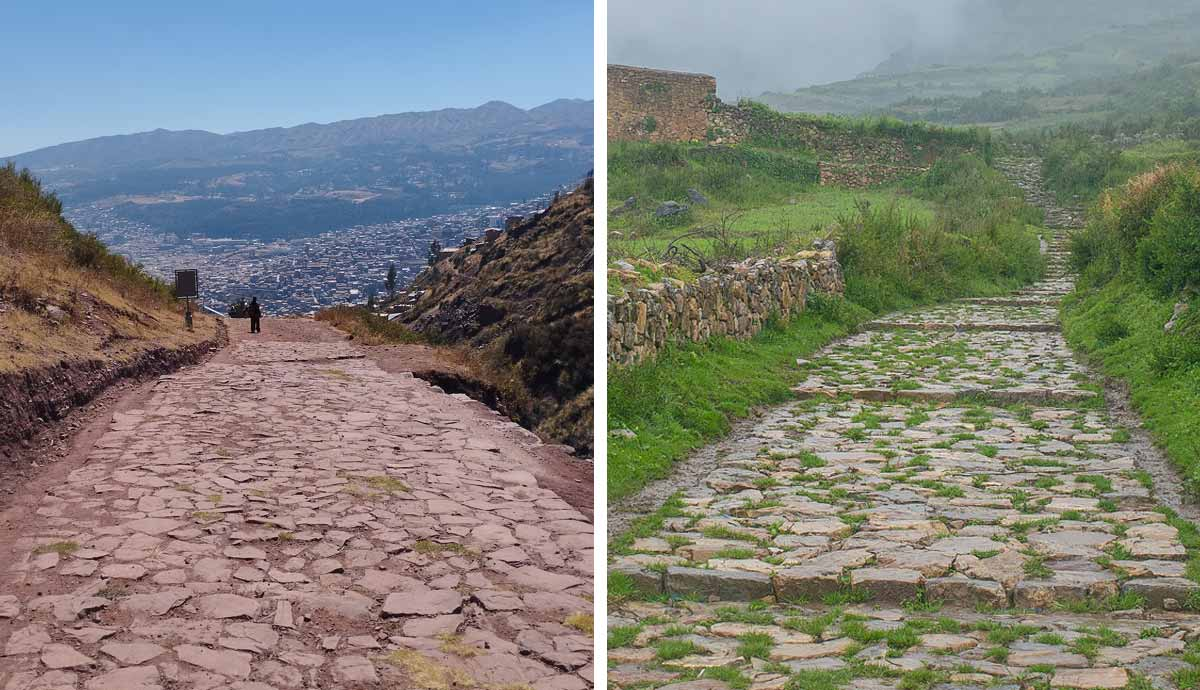
In steeper areas, paths were reinforced with stones or carved directly into rock faces. Switchbacks—zigzagging trails—were sometimes used to reduce the steepness of climbs. In certain regions, wooden supports or steps were added to stabilize the route.
Although these techniques may seem simple, they reflect a sophisticated understanding of terrain and movement. Builders knew how to adapt their methods to different environments, ensuring that the routes remained usable over time.
Trade and Cultural Exchange
These mountain highways played a crucial role in trade. Valuable goods such as metals, salt, textiles, and crafted items were transported across regions. Traders carried not only products but also ideas, beliefs, and technologies.
Through these routes, distant cultures came into contact with one another. This interaction led to the exchange of knowledge, artistic styles, and innovations. Mountain highways became channels of cultural diffusion, shaping the development of entire regions.
Challenges and Risks
Traveling these routes was far from easy. Harsh weather conditions, including snow, rain, and strong winds, made journeys dangerous. Landslides, narrow paths, and sudden changes in terrain added to the risk.
Travelers needed skill, experience, and preparation. They often traveled in groups for safety, carrying supplies and relying on knowledge passed down through generations.
Despite these challenges, people continued to use these routes because of their importance. The benefits of connection and exchange outweighed the risks.
A Lasting Legacy
The mountain highways of the Bronze Age demonstrate human determination and ingenuity. They show that even in the face of extreme challenges, early societies found ways to connect and thrive.
These routes laid the foundation for later trade networks and continue to influence modern transportation paths that follow similar routes today.