Sacred Spaces Below Ground
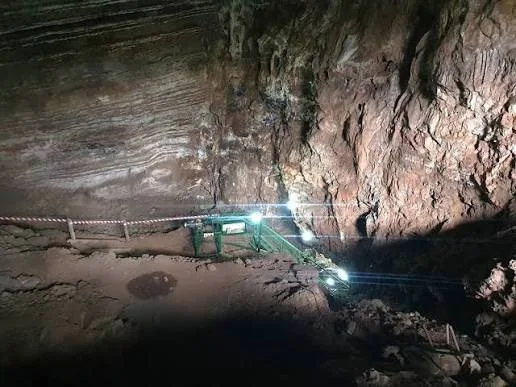
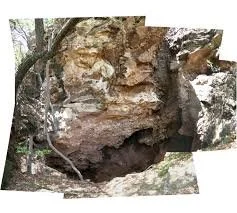
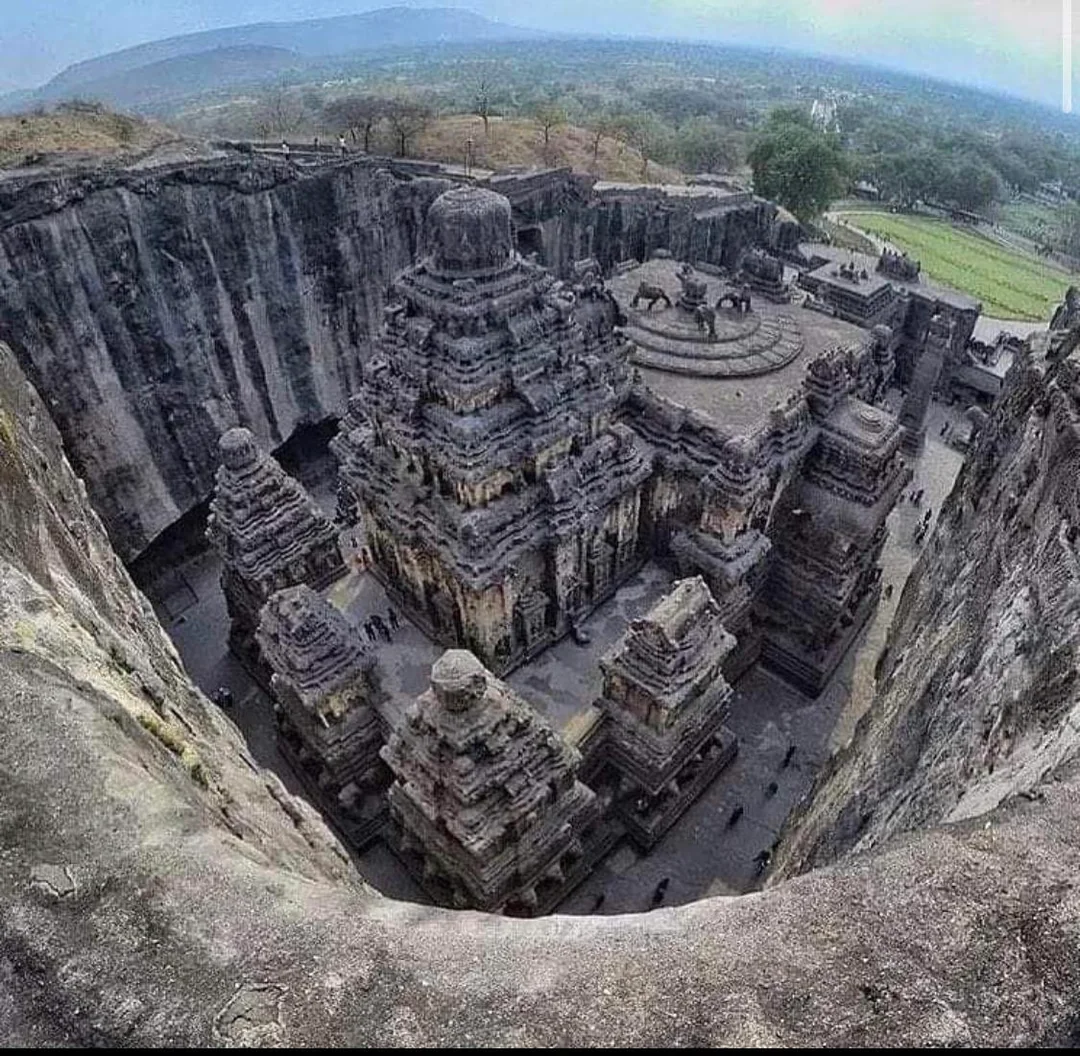
Long before the construction of grand temples and organized religious systems, prehistoric communities created sacred spaces by carving directly into bedrock. These early sanctuaries were not built upward but inward, forming chambers and passageways beneath the earth’s surface.
These spaces were often hidden, quiet, and separated from everyday life. This physical separation likely enhanced their spiritual significance, making them ideal places for rituals, reflection, and communal gatherings.
Construction and Effort
Carving into solid rock using simple tools was an enormous task. Prehistoric builders relied on stone tools, patience, and persistence. The process required careful planning to avoid collapse and to create usable spaces.
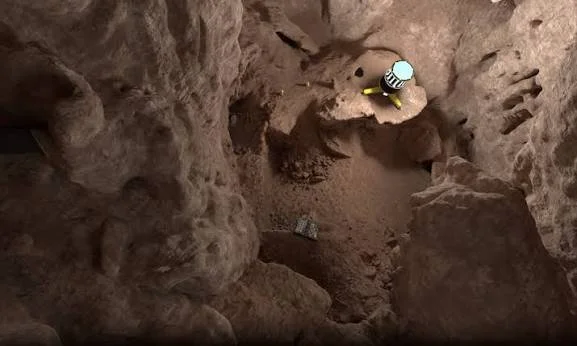
Despite the limitations of their tools, these builders achieved impressive results. Chambers were shaped with intention, sometimes including multiple rooms, corridors, and entrances. The effort involved suggests that these spaces were deeply important to the communities that created them.
Design and Symbolism
The layout of these temples was often more than functional—it was symbolic. Narrow passages leading into larger chambers may represent a journey or transformation. The act of entering the space could have held ritual meaning.
Some carvings and markings found in these spaces suggest that they were decorated with symbols or images. These designs may have represented beliefs, stories, or spiritual concepts.
Spiritual Significance
Prehistoric temples carved in bedrock were likely seen as places of connection between worlds. The underground setting may have symbolized the unknown, the afterlife, or a deeper spiritual realm.
Rituals performed in these spaces could have involved offerings, ceremonies, or communal gatherings. These practices helped strengthen social bonds and reinforce shared beliefs.
A Glimpse into Early Religion
These structures provide valuable insight into early spiritual life. They show that even before formal religions developed, humans sought meaning, connection, and understanding through shared rituals and sacred spaces.